A HIKE THROUGH NORTH EAST DARTMOOR’S ANCIENT ANTIQUITIES
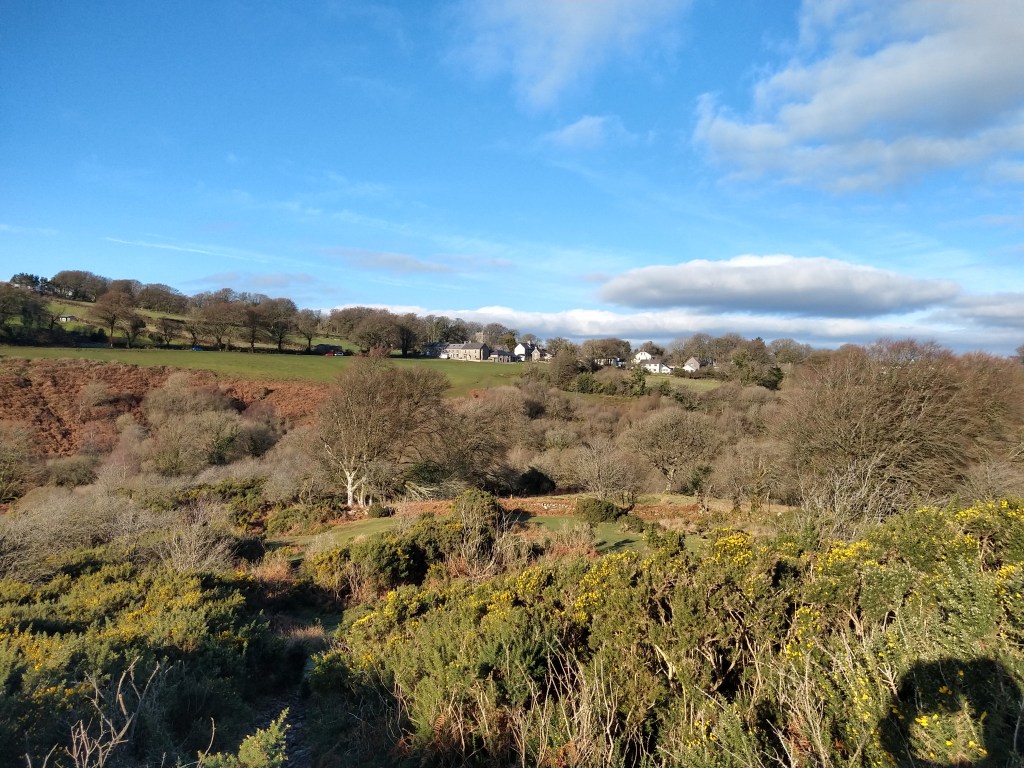
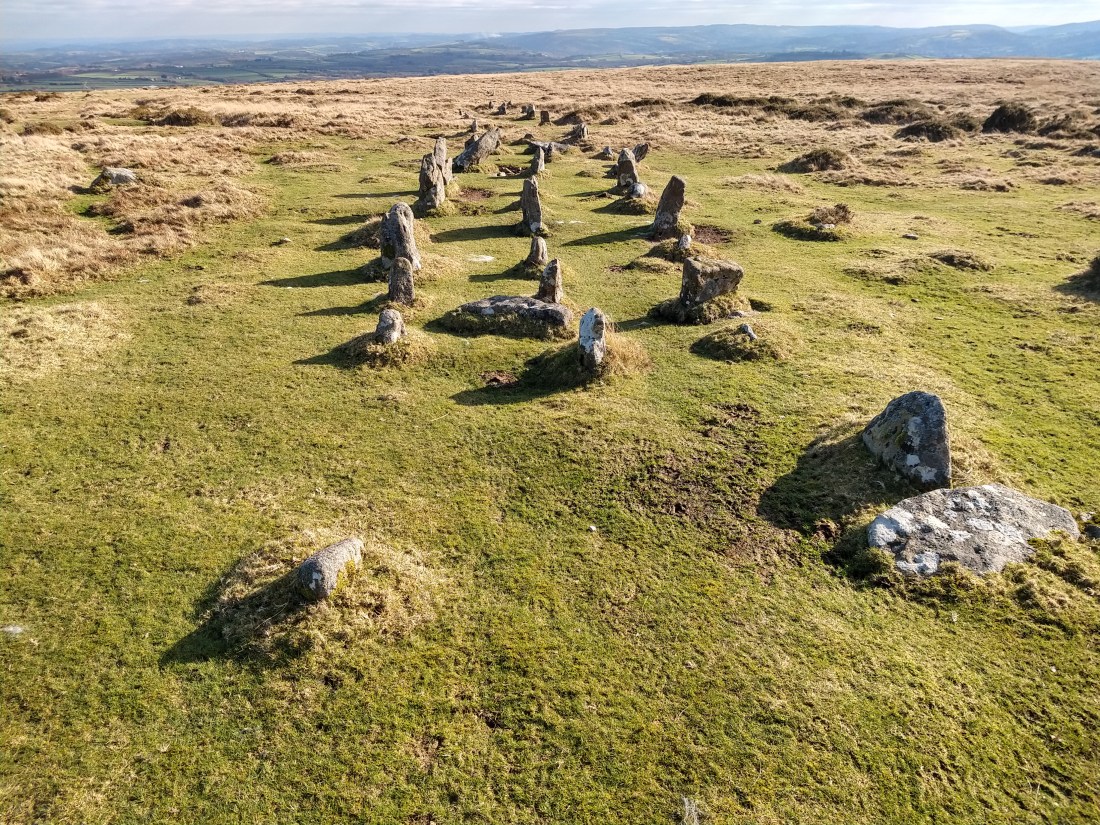
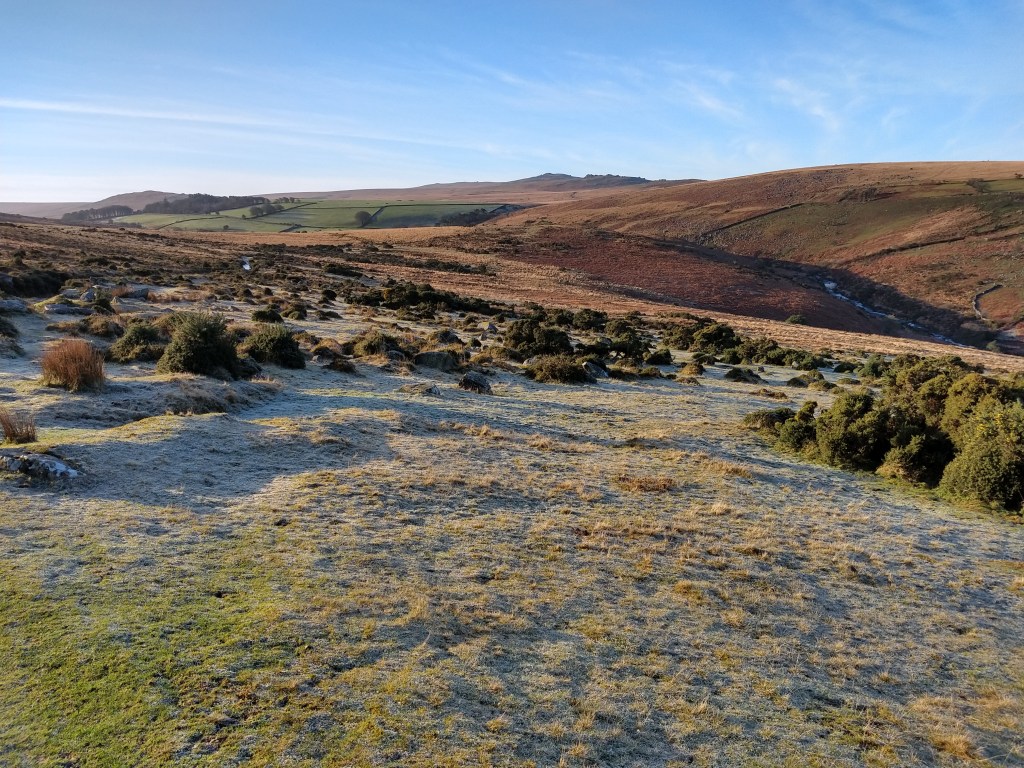
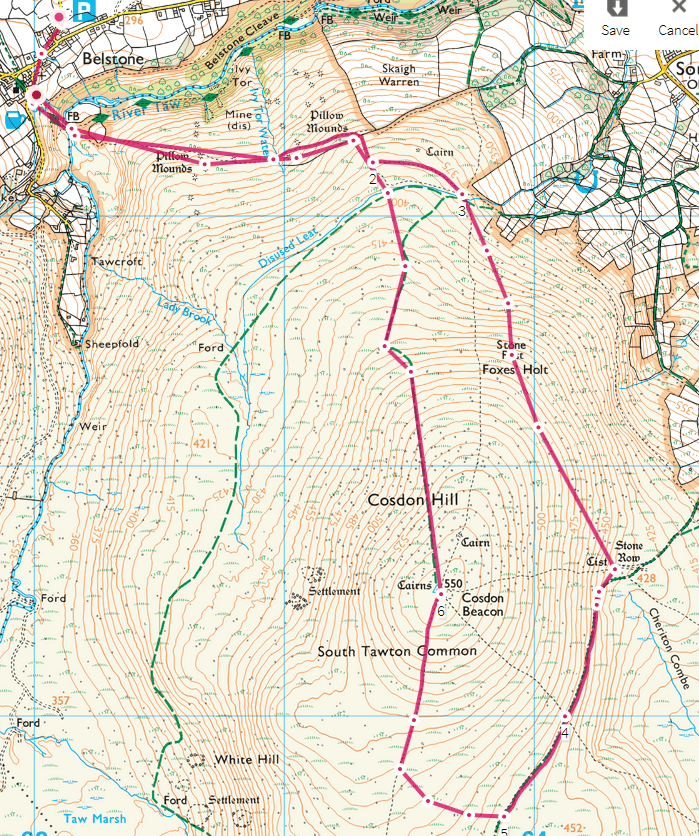
The weather was much kinder, a lovely sunny day, cold, but bright. I headed out of Belstone following the same route round the side of Cosdon that I had followed a few weeks ago. I was out to finish a hike I had planned before, to visit some of the Prehistoric artifacts in the NE of Dartmoor. It wasn’t long before I was back at the triple stone row on the flanks of Cosdon, looking magnificent in the winter sun.
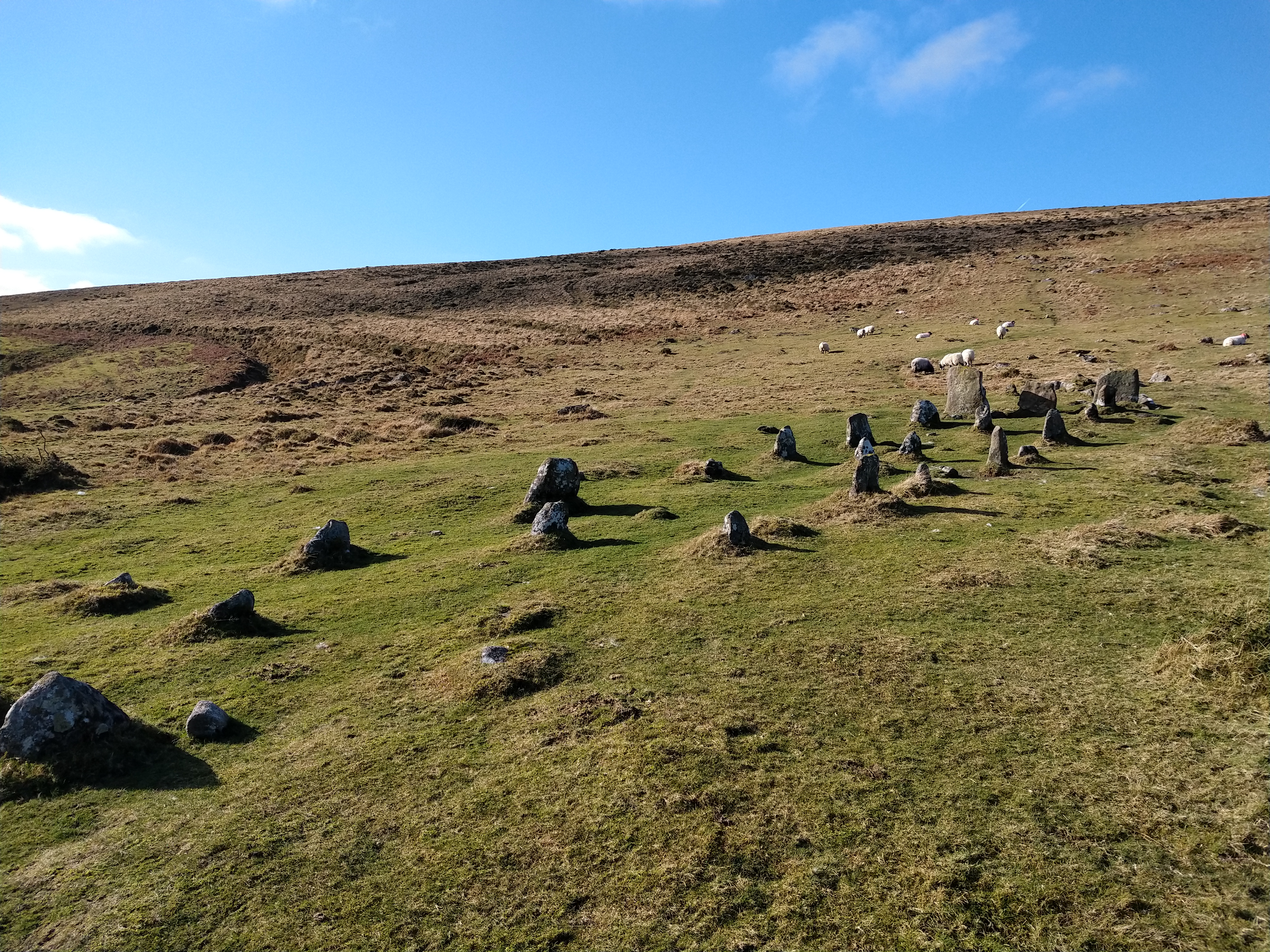
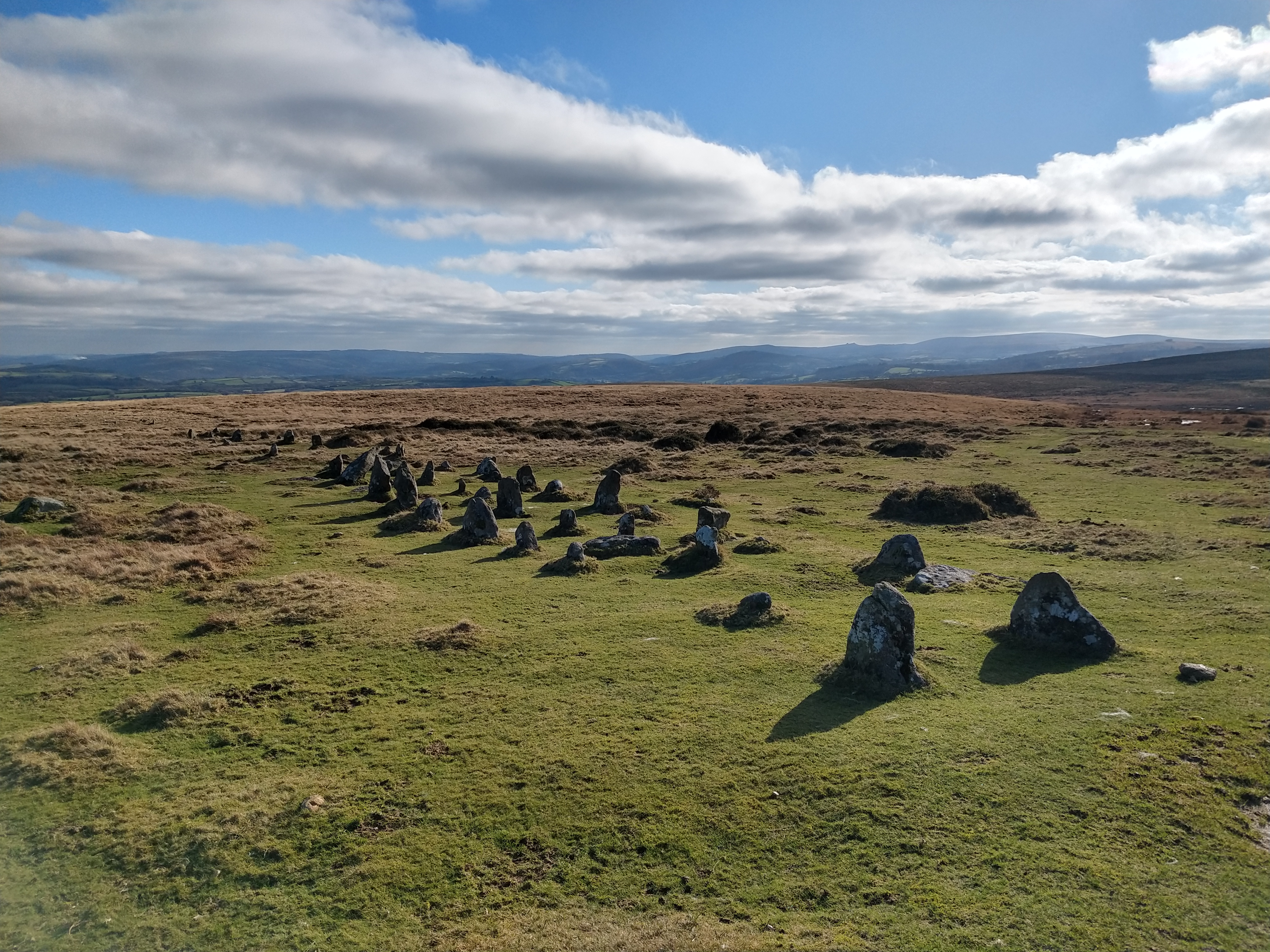
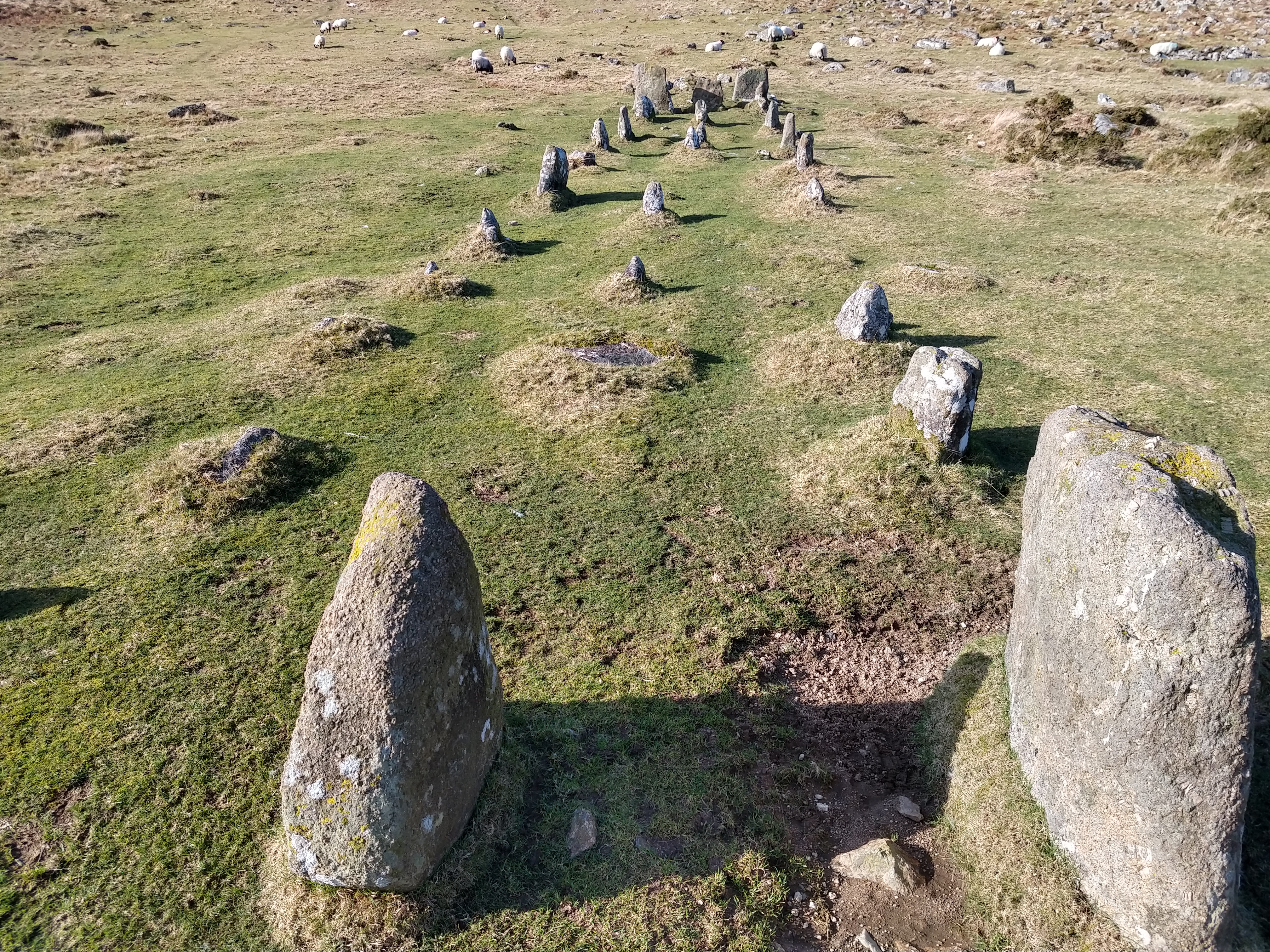
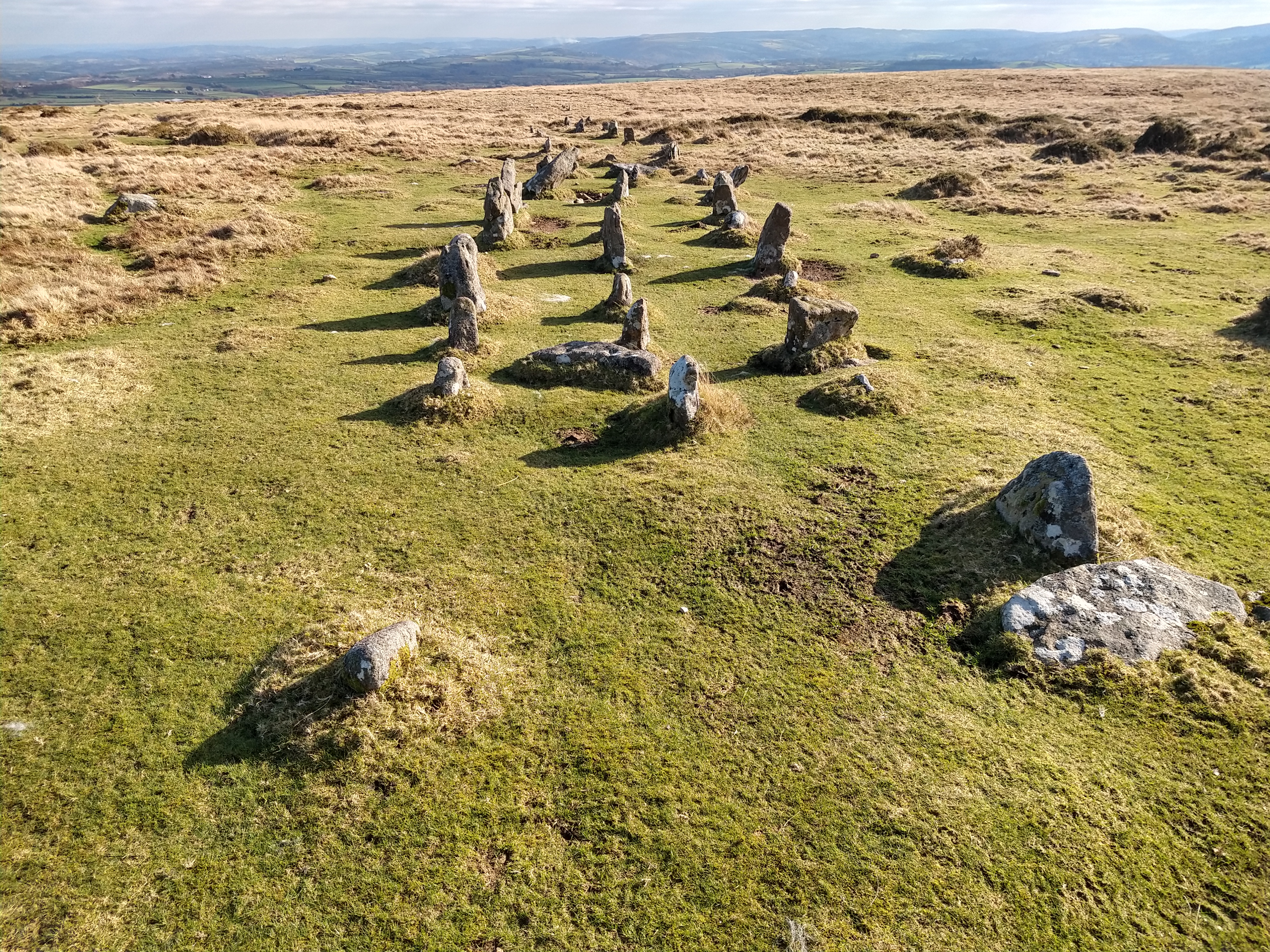
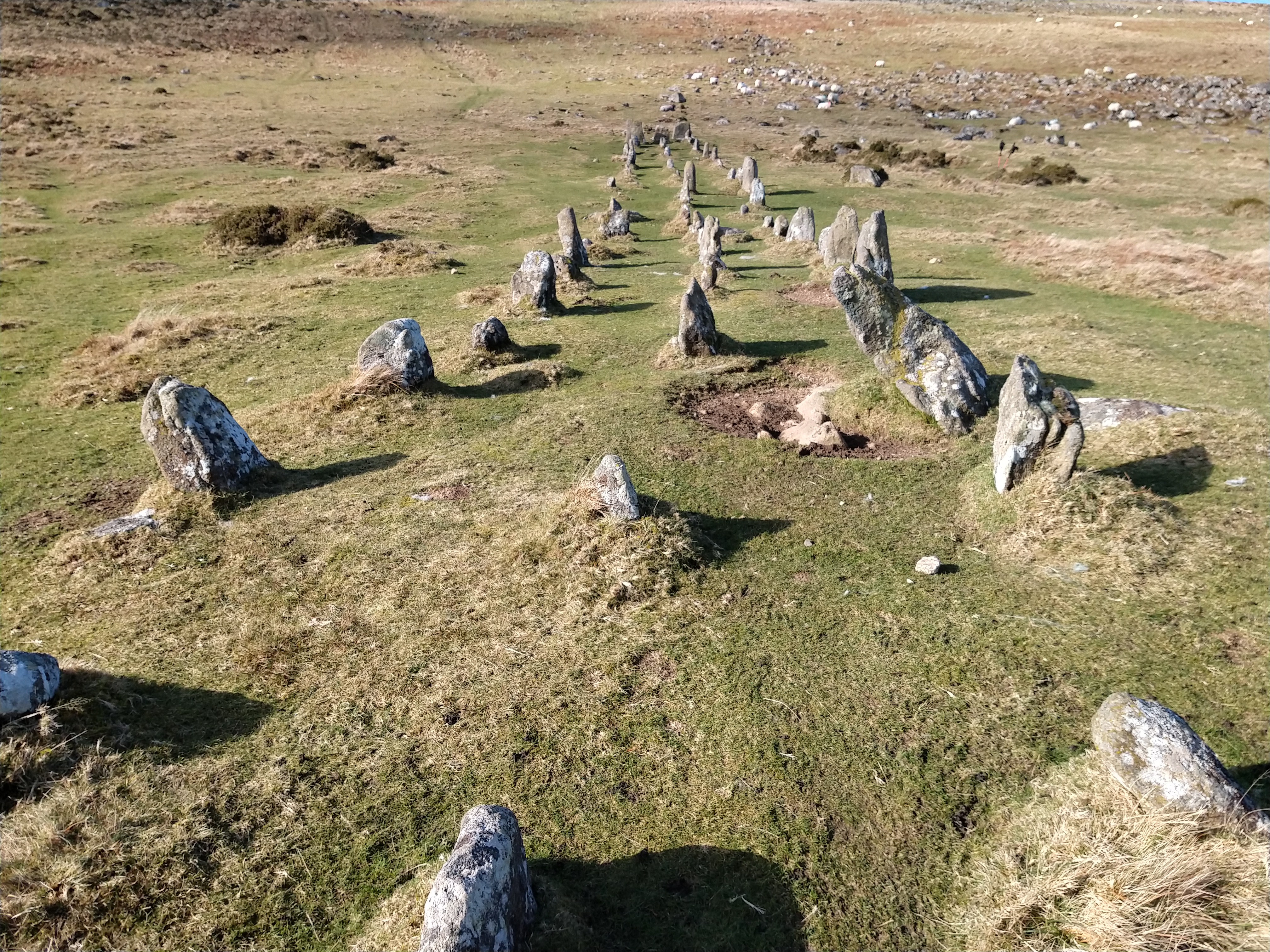
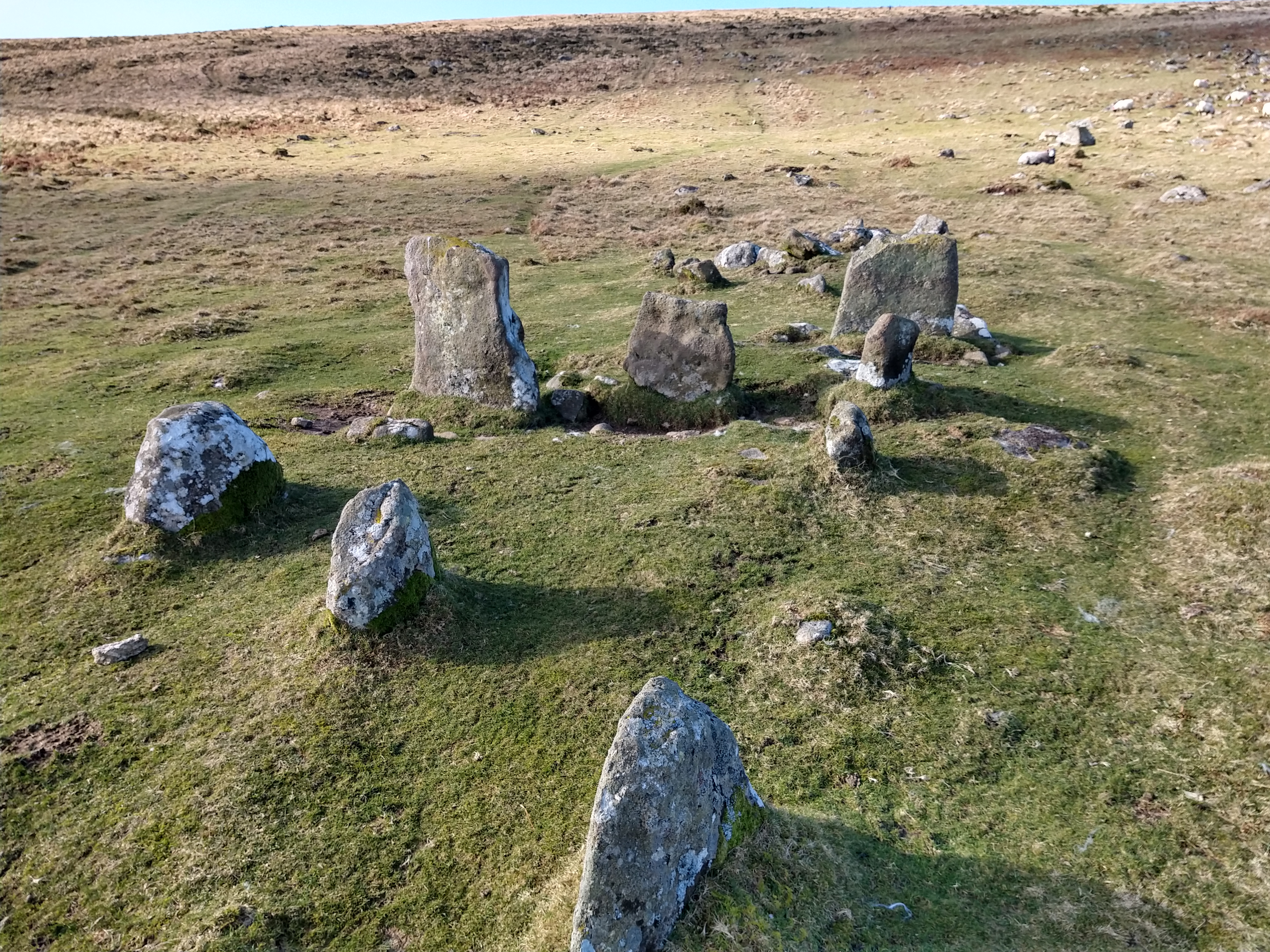

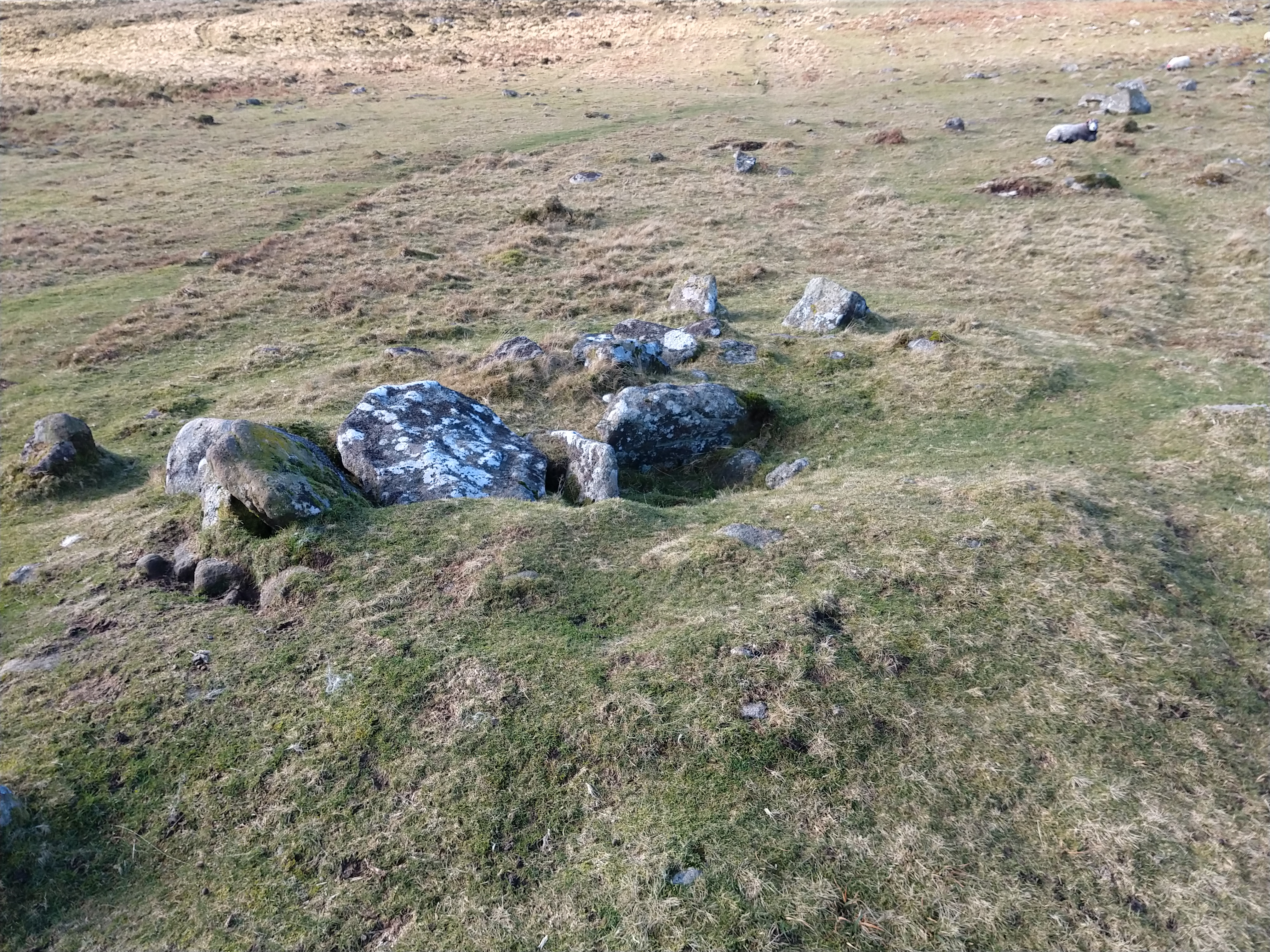
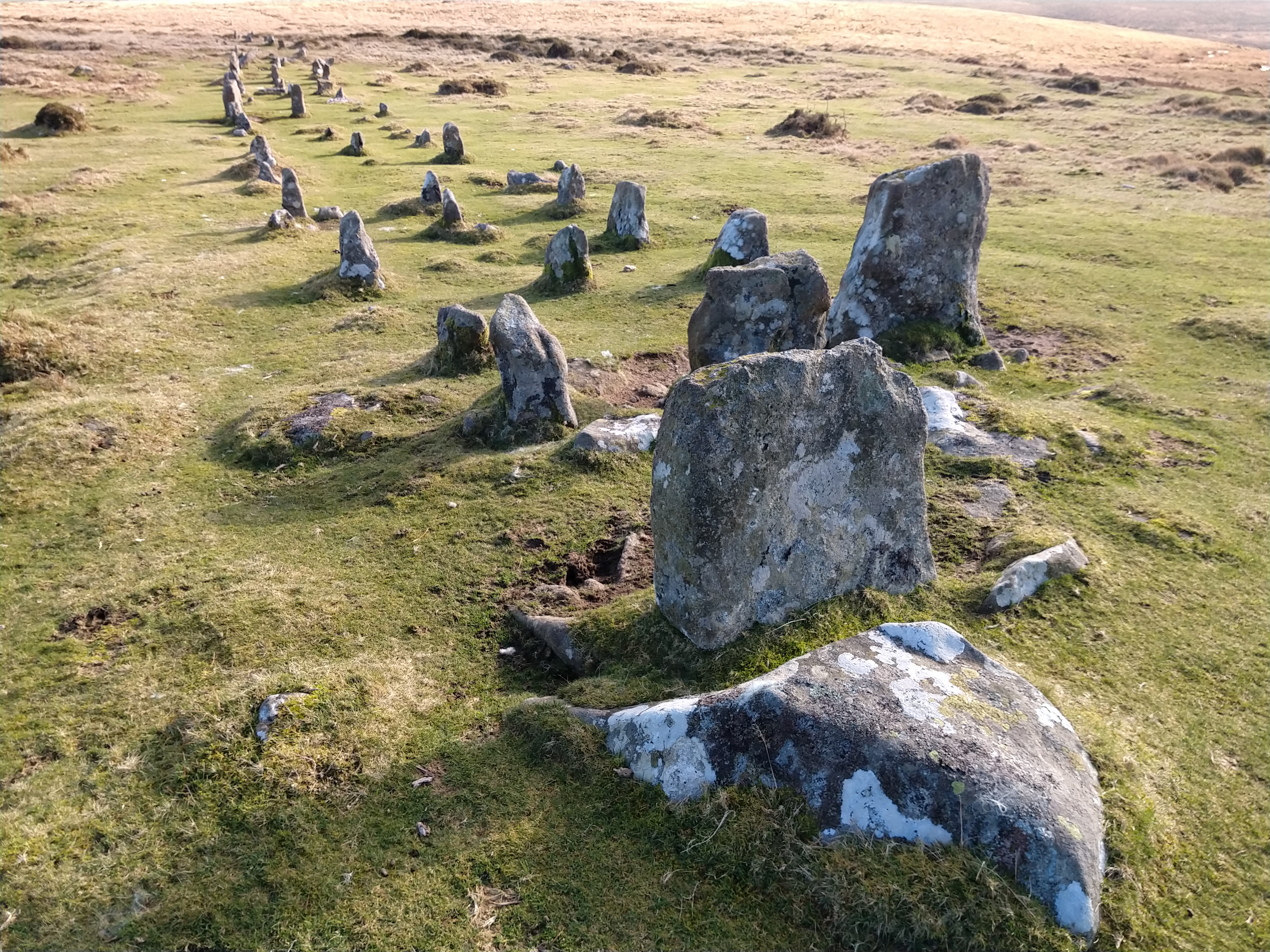
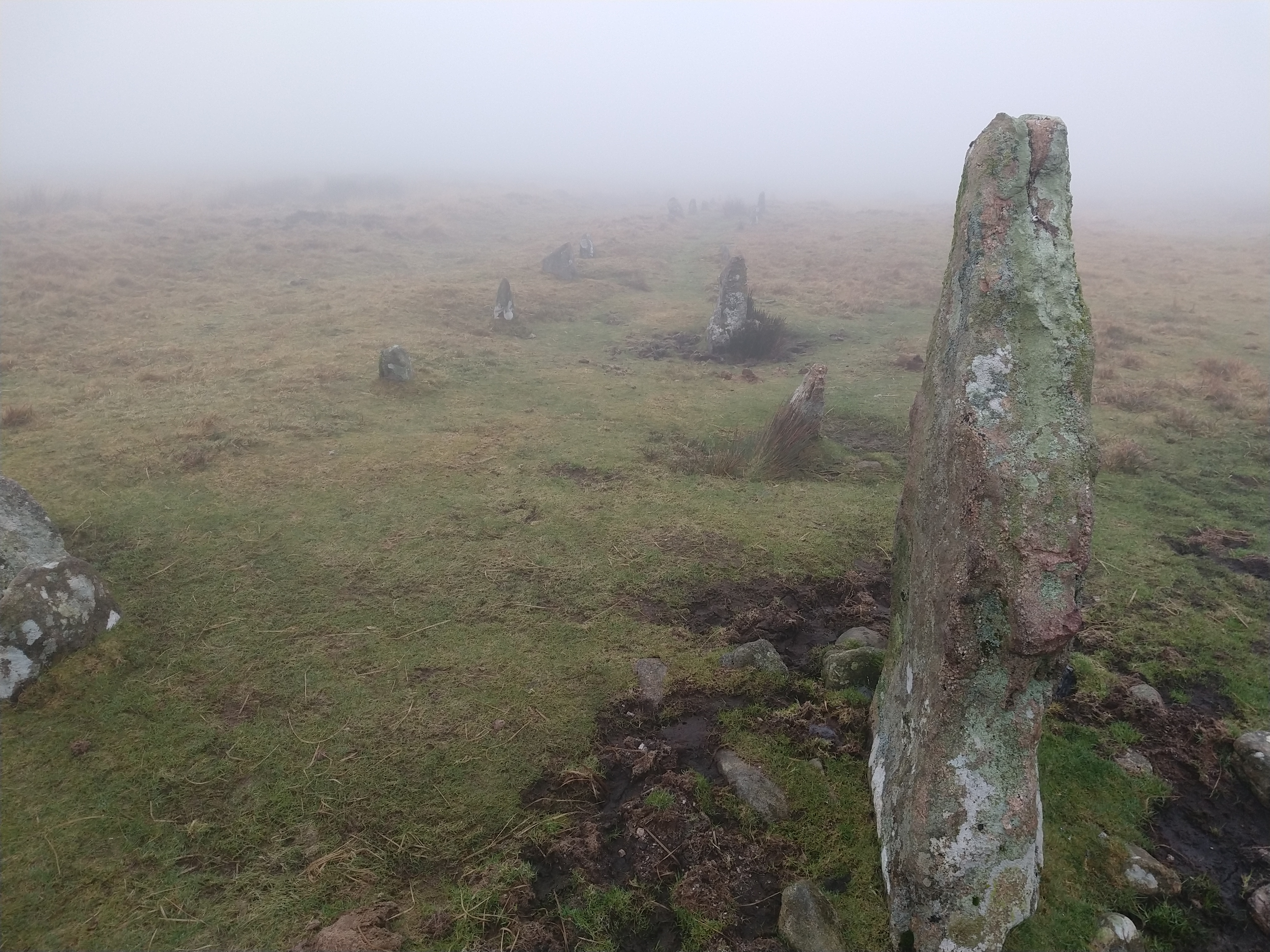
This is a triple stone row, measuring between 146m and 176.5m, depending on which stone is considered the terminal one. The row is orientated on a roughly east-west line. At the west end, there is a cairn, which is unusual in that it contains 2 cists, although as usual on Dartmoor, damage has been done to the site.
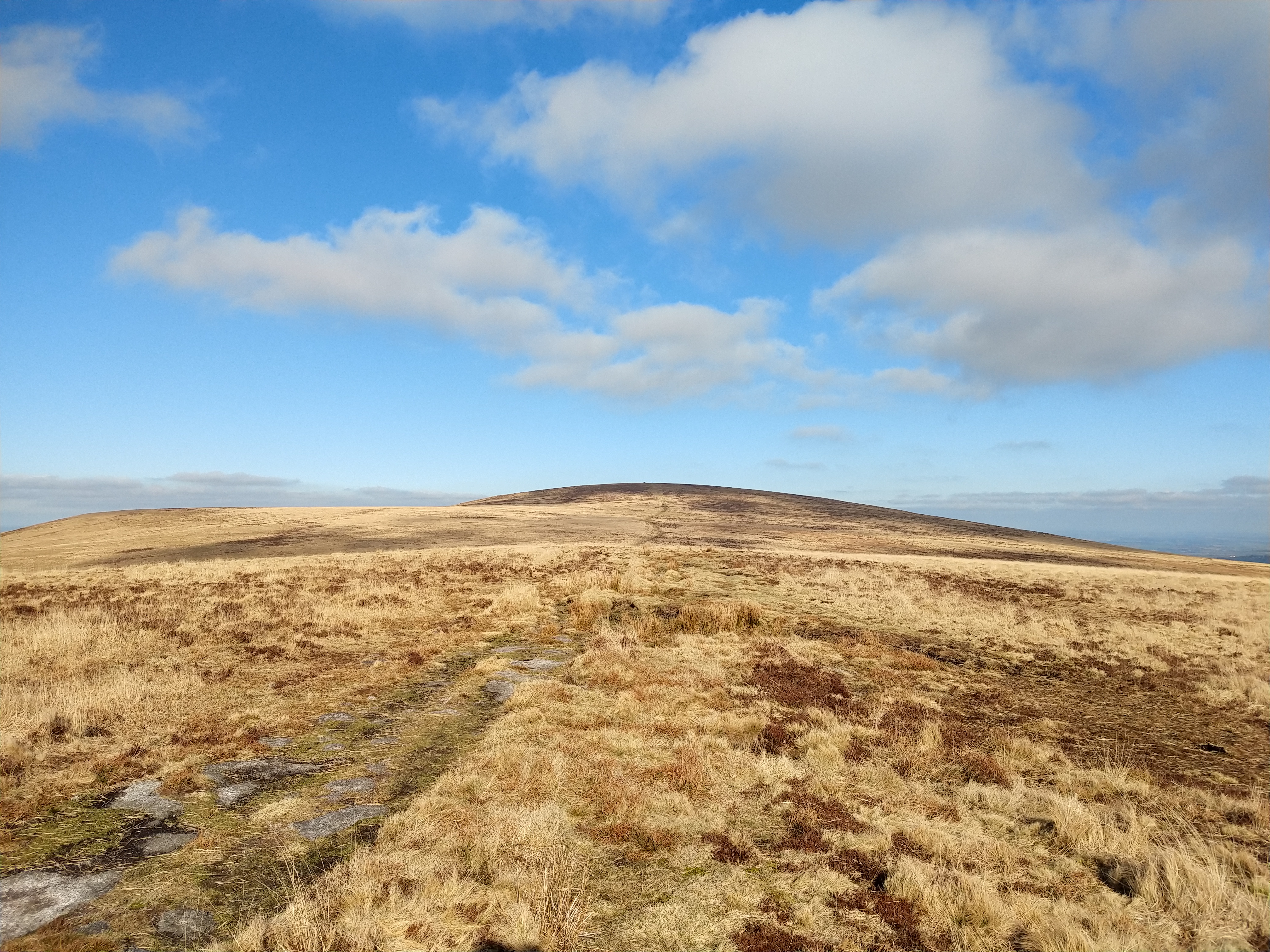
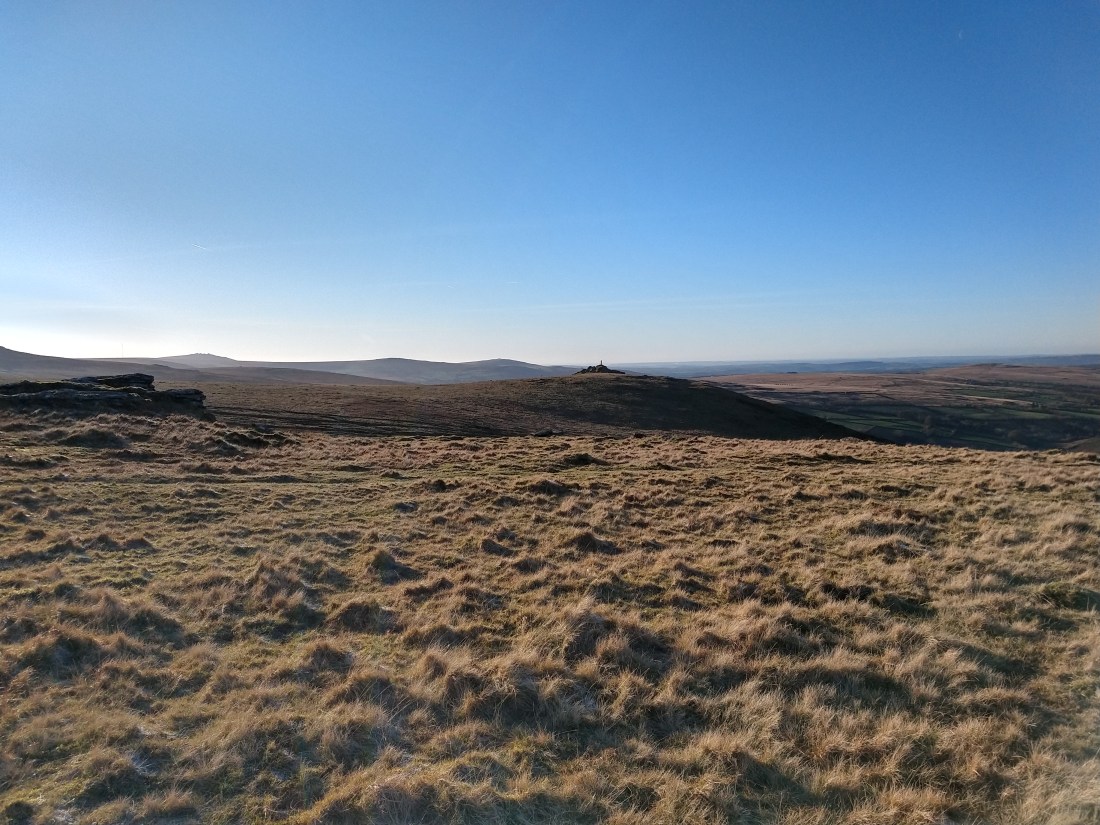
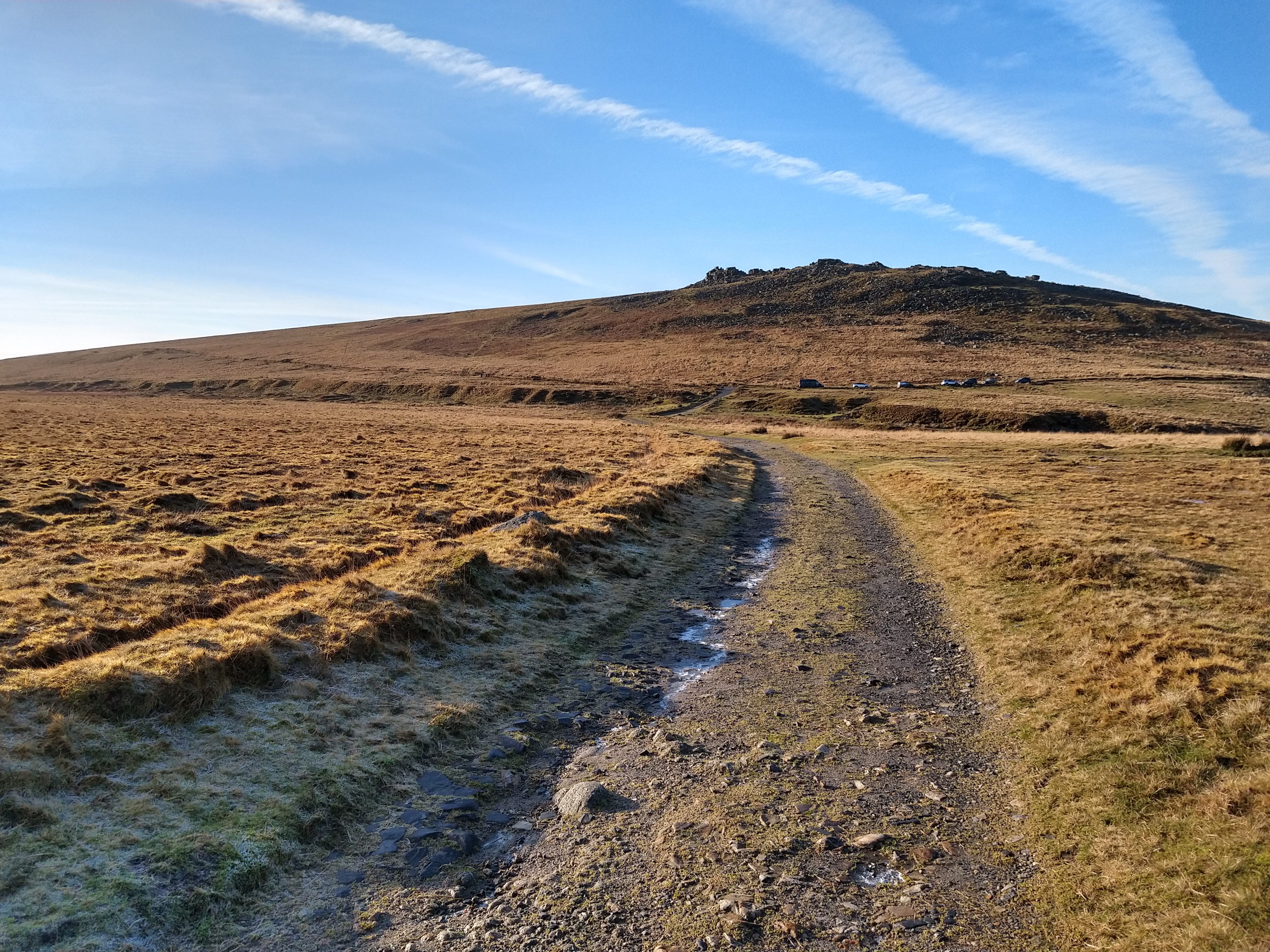
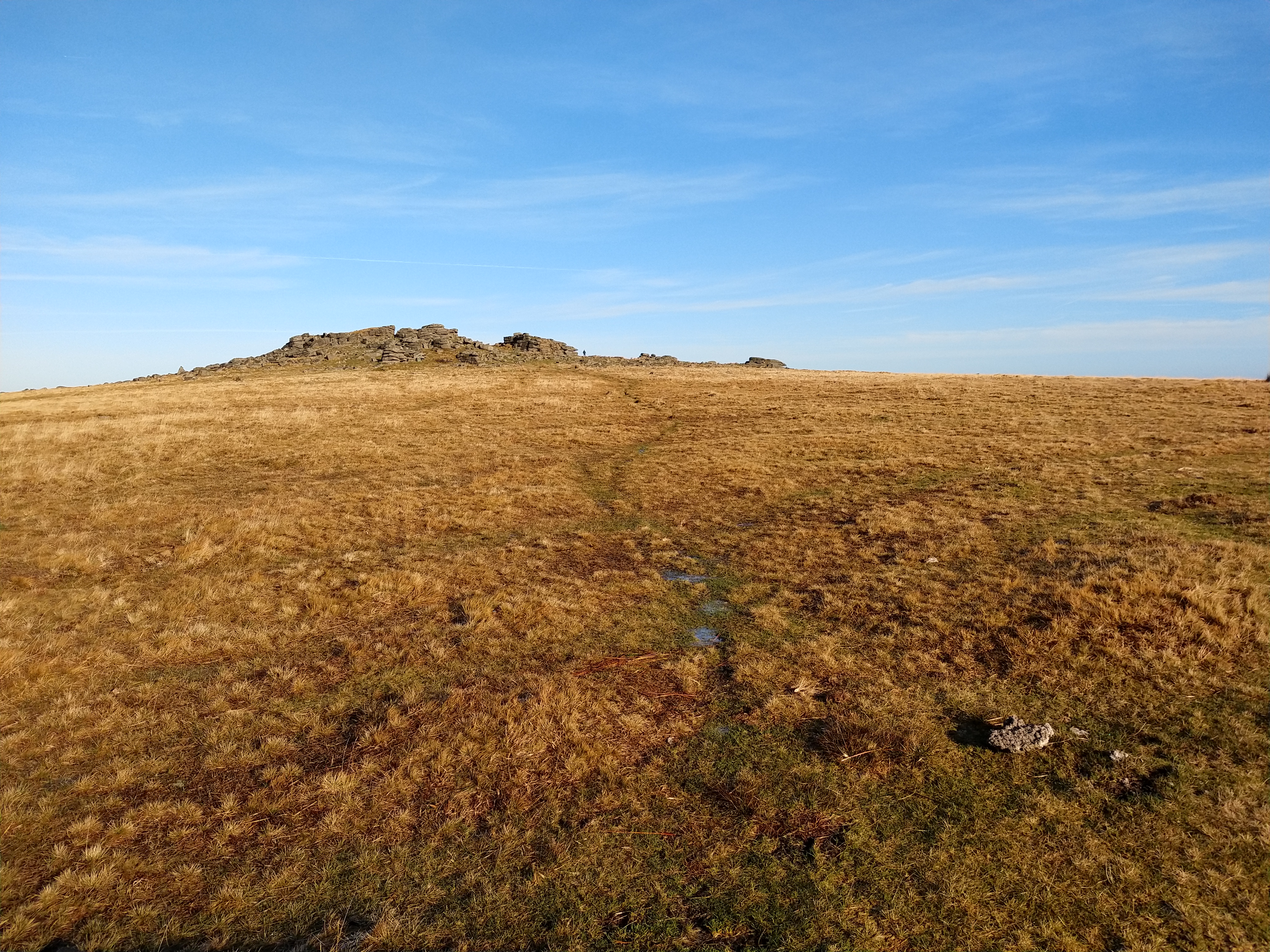
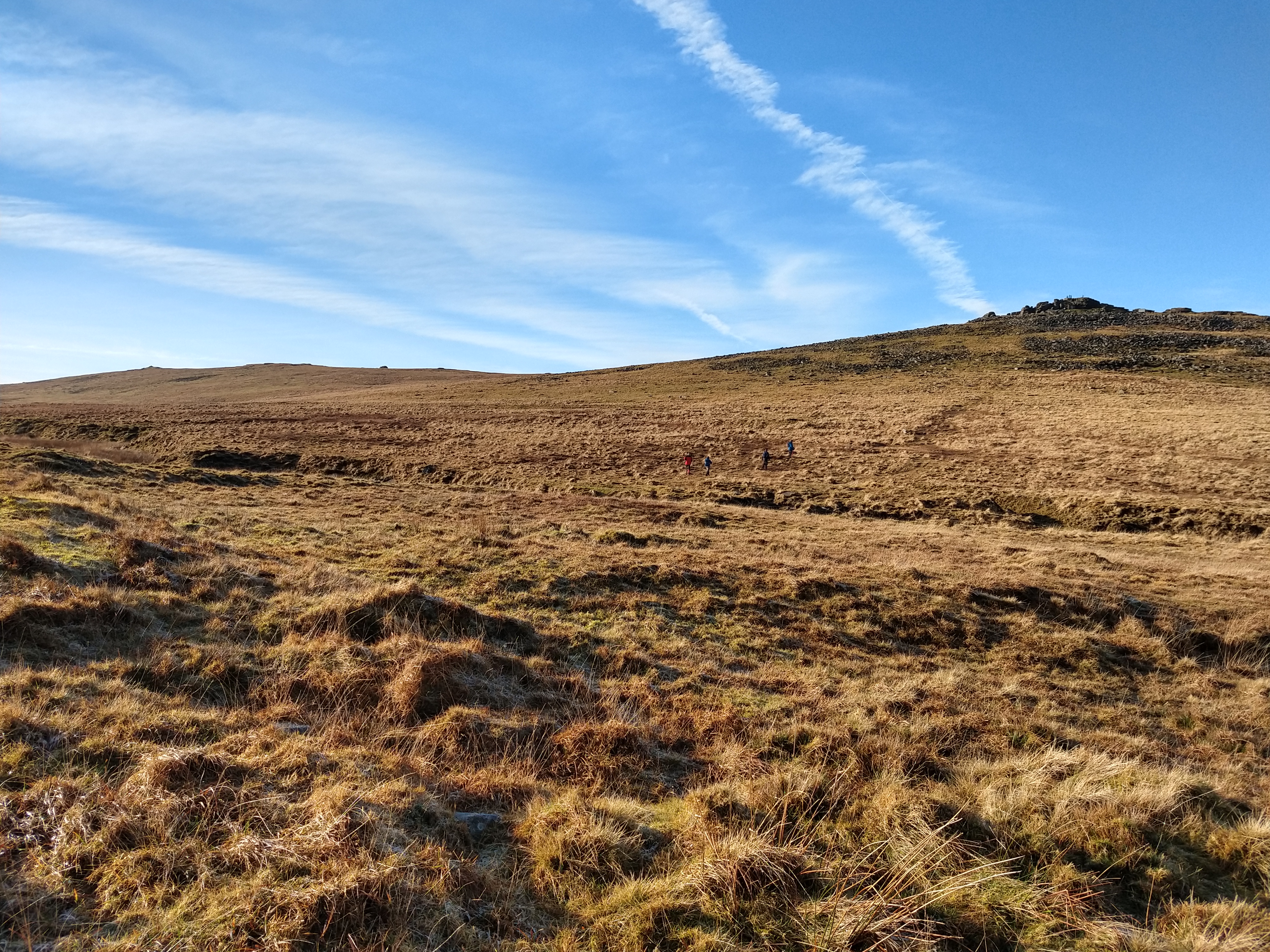
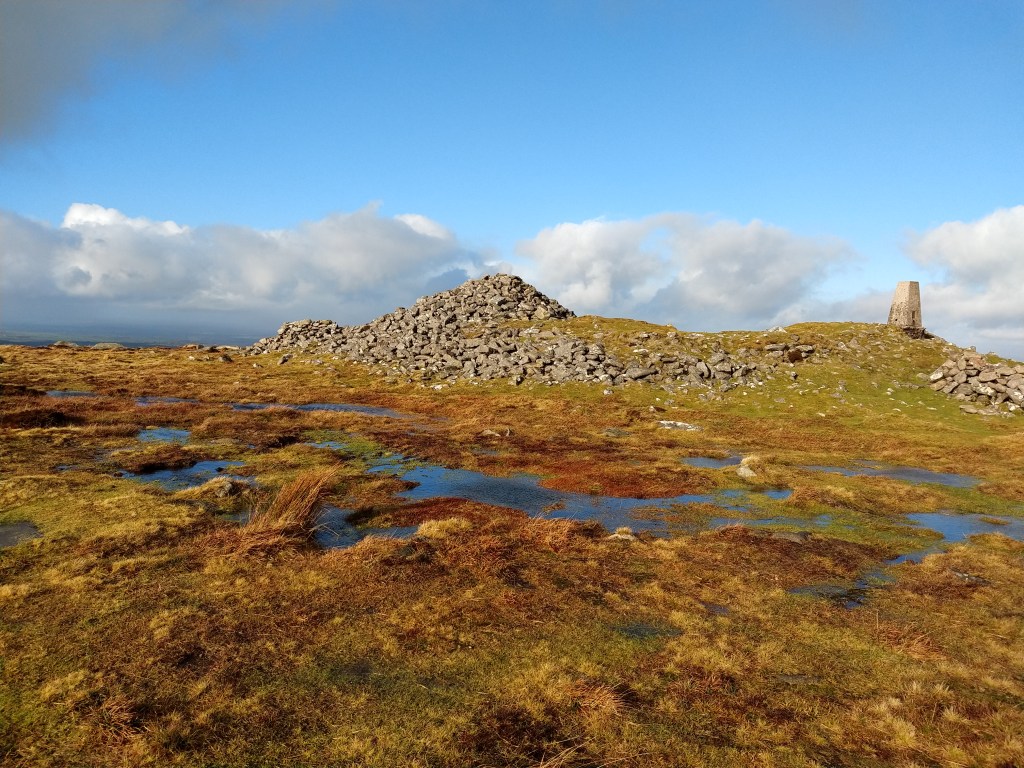
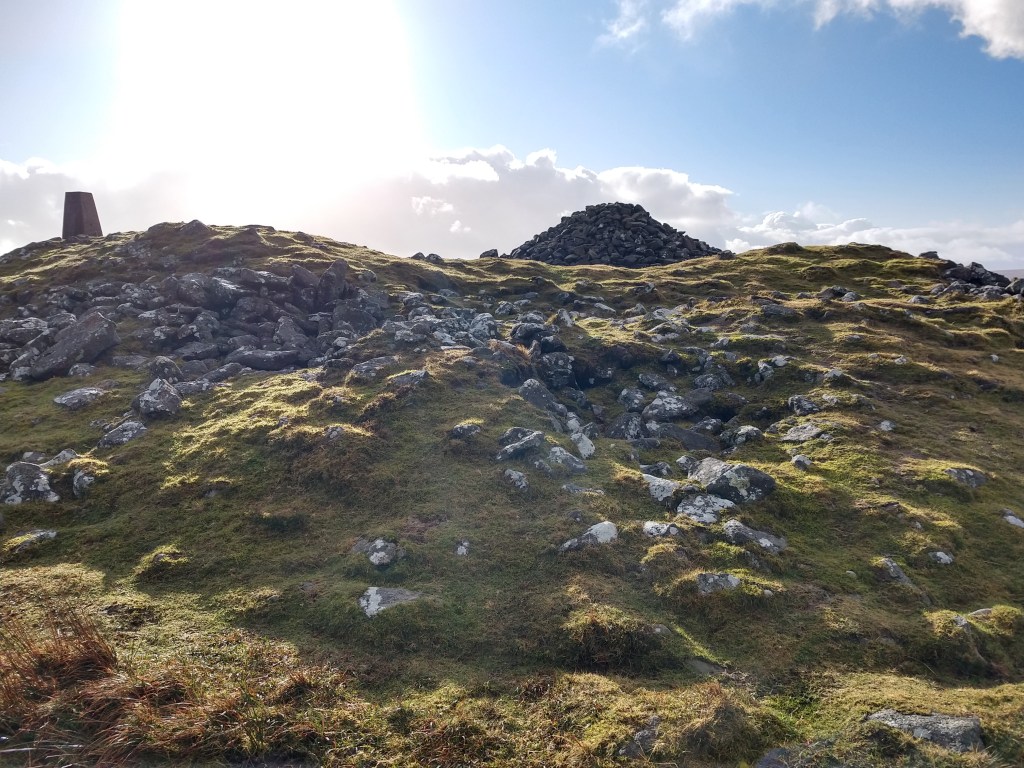
I headed straight up the path behind the stone row, that heads up to the summit of Cosdon. I had remembered on my last visit that following the path round the side got very wet underfoot, so took the drier route up and over the summit. It was actually a pleasant hike up, not too strenuous and it wasn’t long before I was once again at the summit cairn of Cosdon.

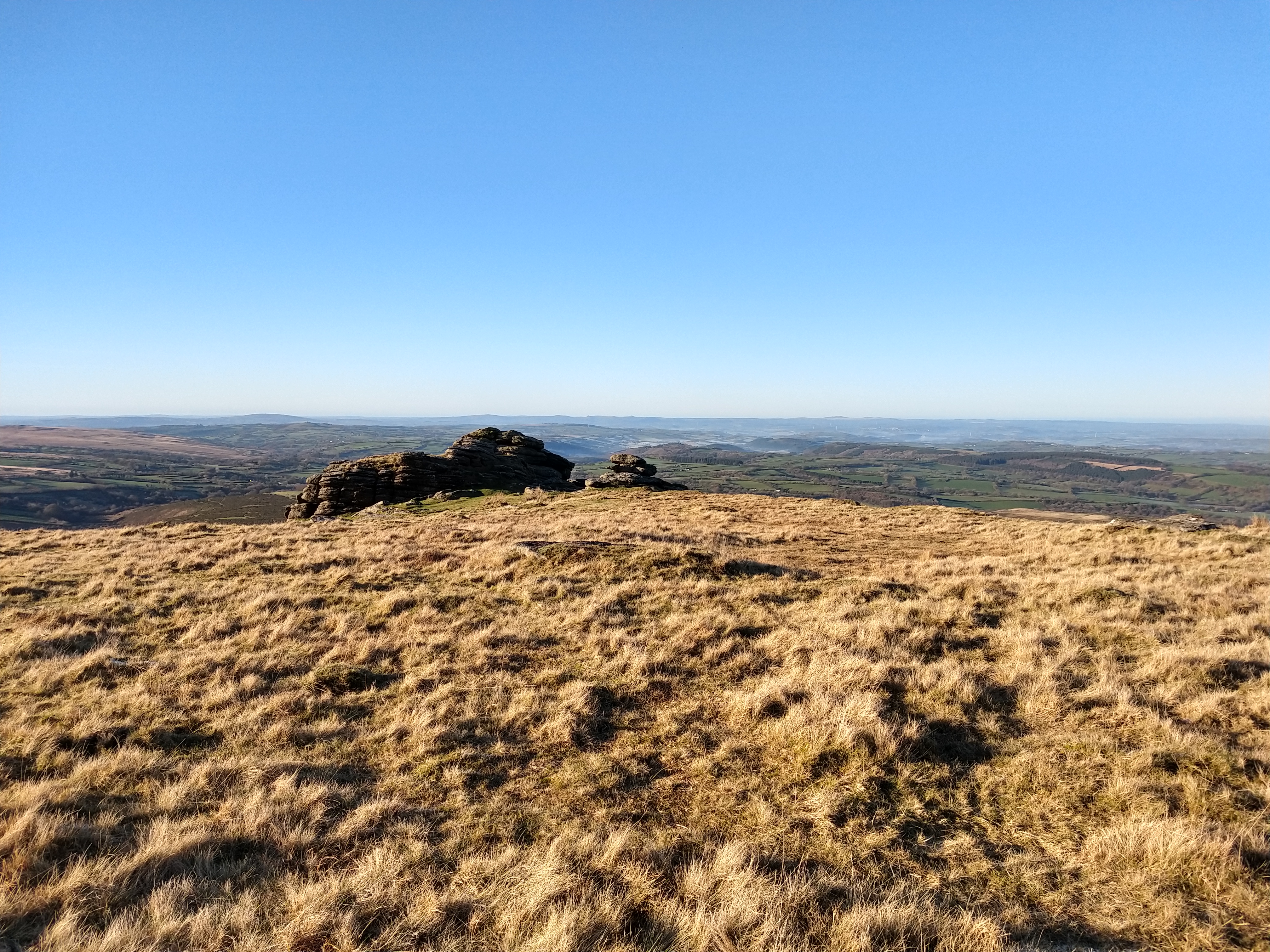
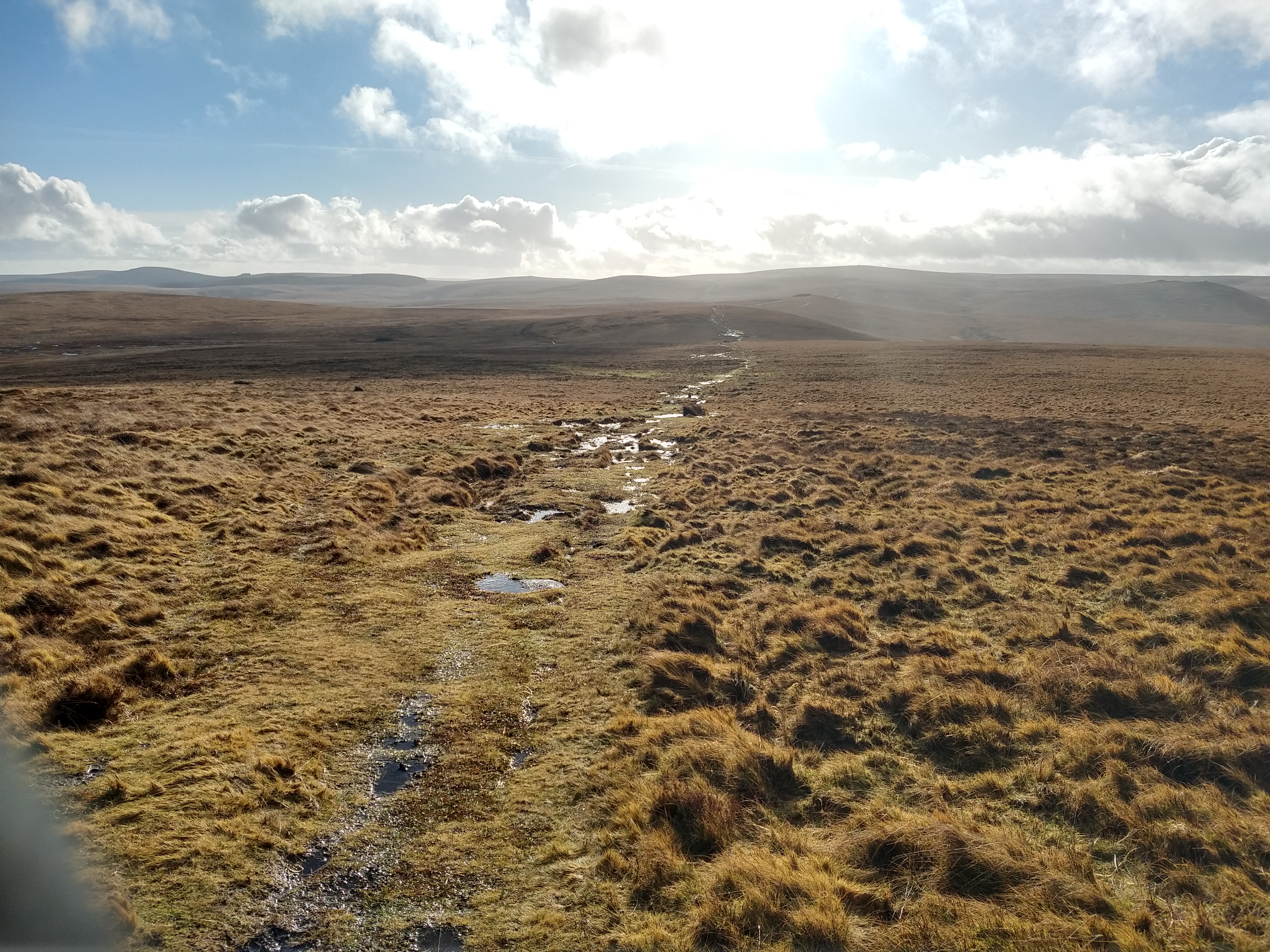
I headed down the track towards little Hound Tor, the track still sodden from the recent bad weather, but still passable with little trouble.I love this area, the Tors and hills of the northern moor are always striking, in all weathers.
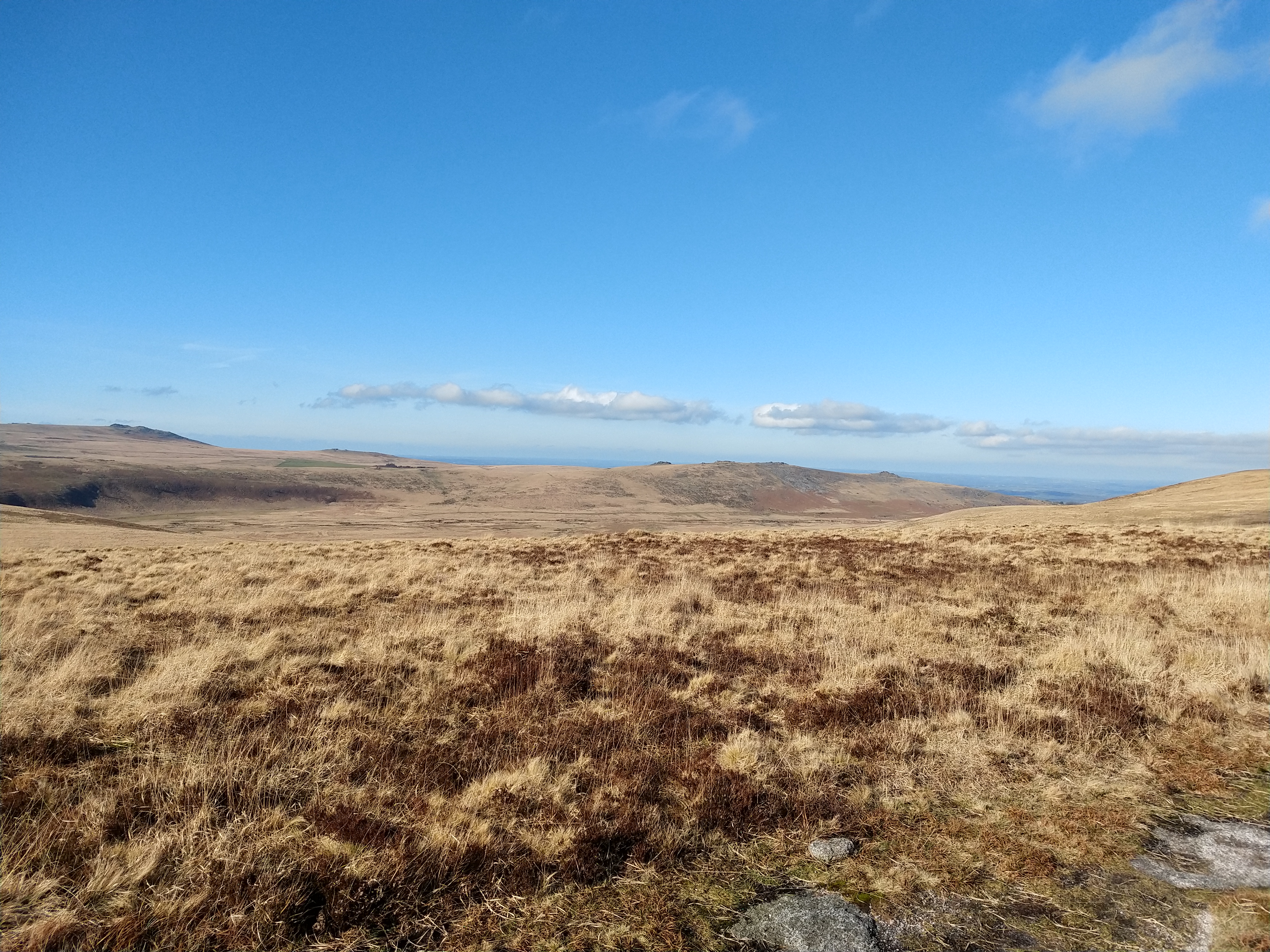

SE of Little Hound Tor is White Moor stone circle and standing stone. this stone circle is one of the more impressive ones on Dartmoor, being roughly 20m in diameter. Like most of the stone artifacts on Dartmoor it had been “restored” in the past, but is still one of my favorites, for its isolation. Slightly to the south is White Moor Stone, now marked with boundary signs; there is debate whether this stone was once part of the circle, a stone in itself, or possibly a marker for a cairn that once existed here. Either way, an impressive standing stone, at 1.6m high.

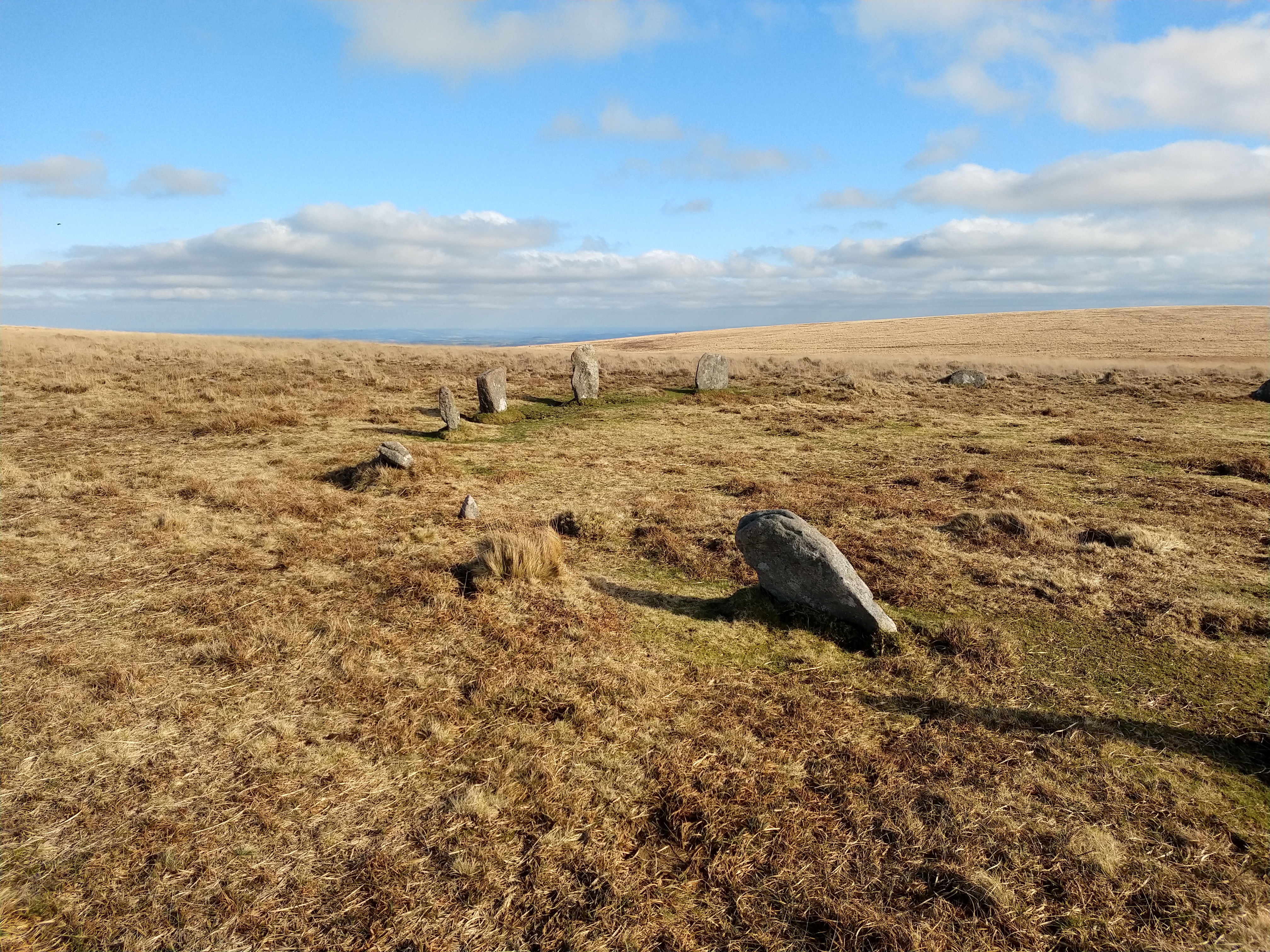

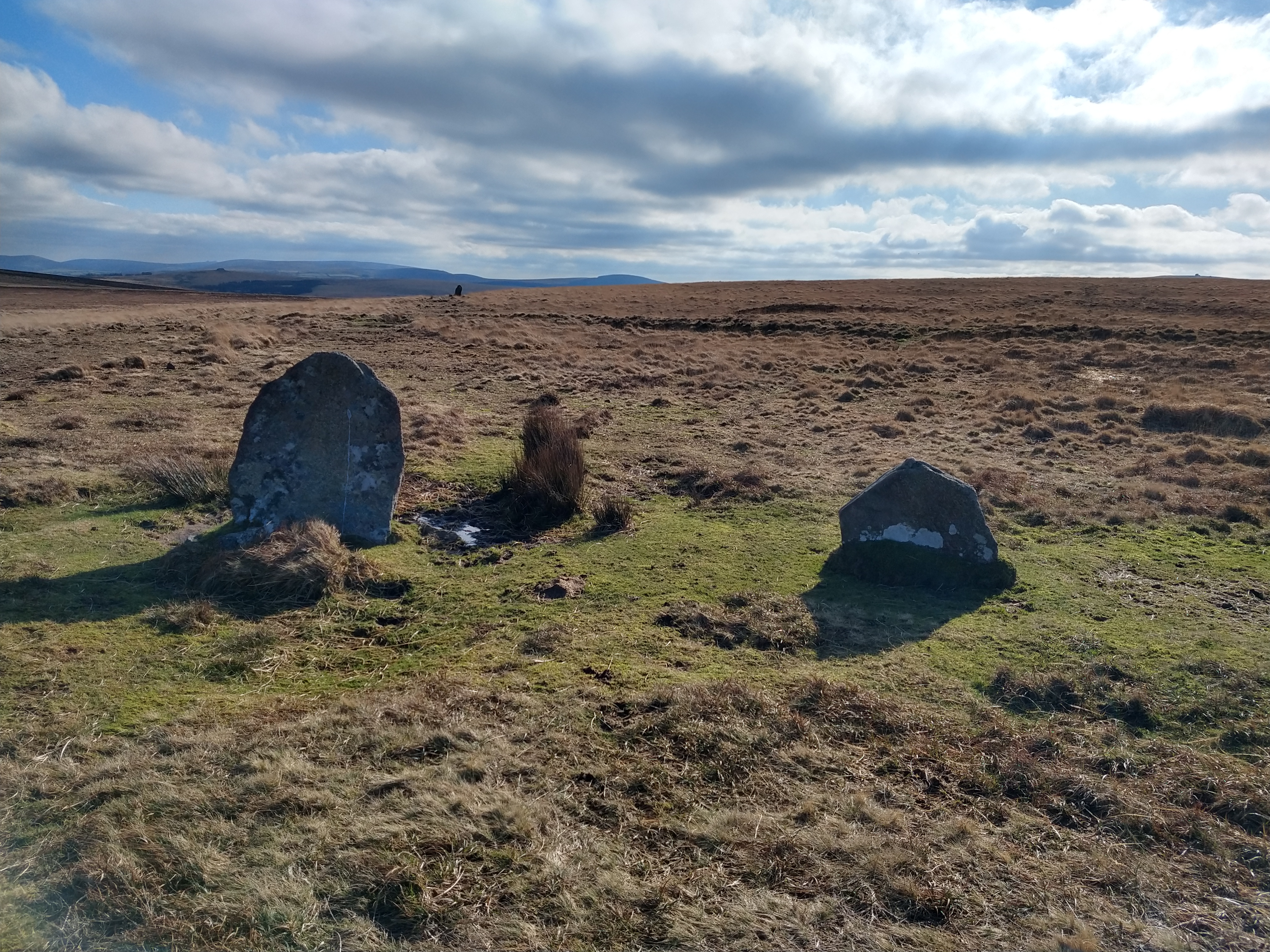


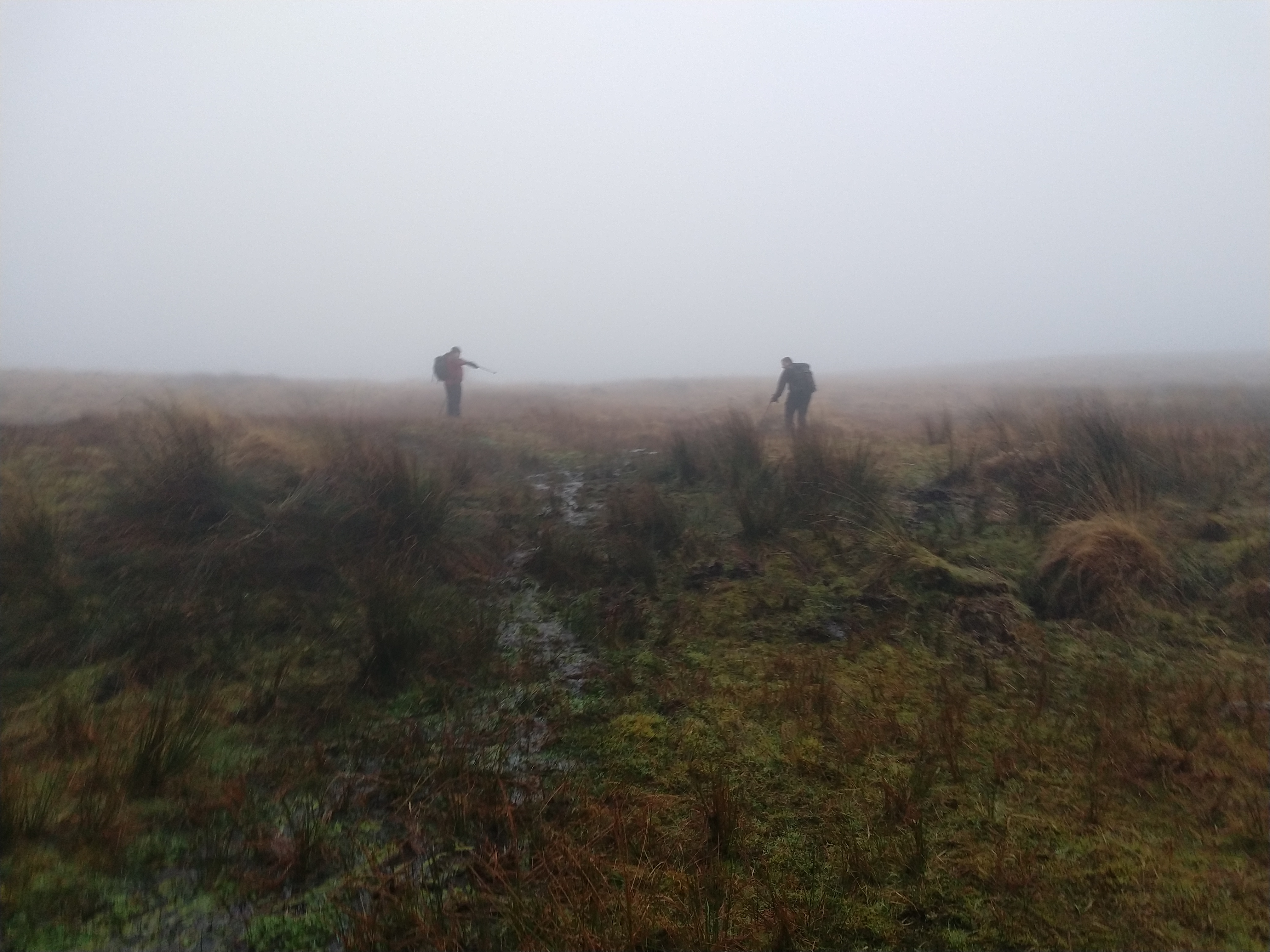
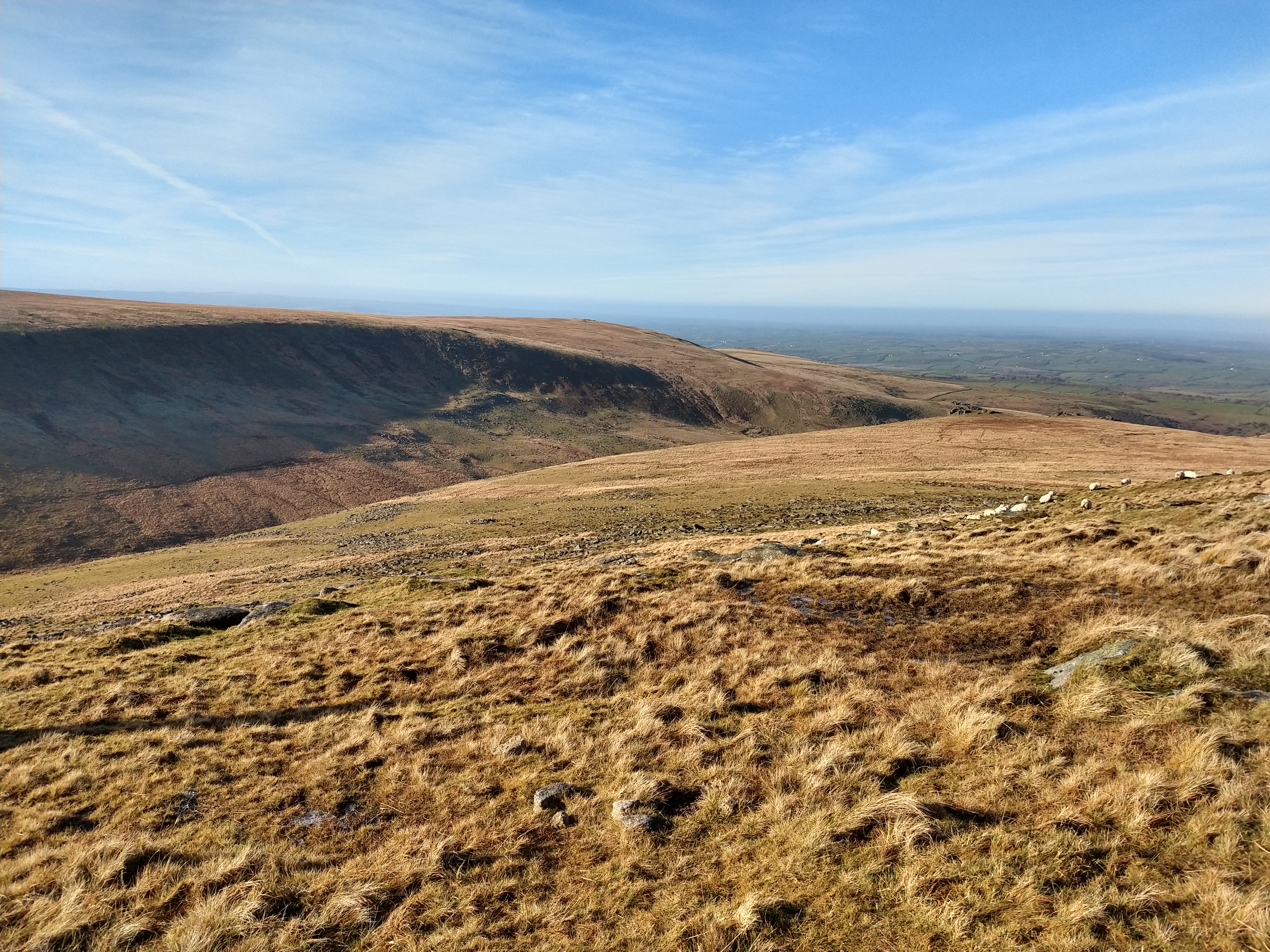
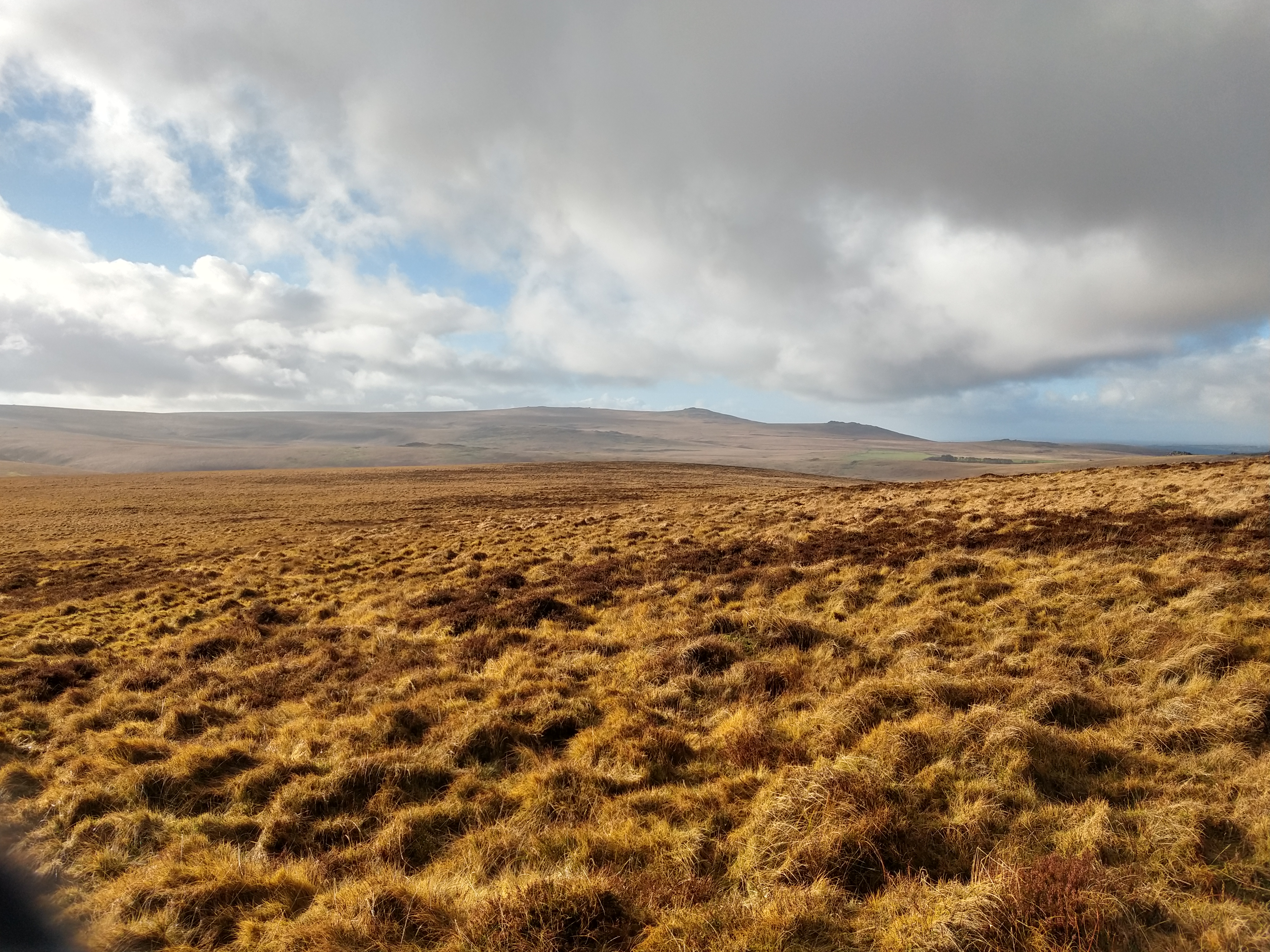
I headed off SE between Kennon Hill and Rival Tor, following a distinct track that heads to Gidleigh. This track can be hard going, due to livestock, people and bad weather making sections deep in mud, so care is needed, and a compass is a good idea in bad weather. But on a good day, the scenery is stunning.
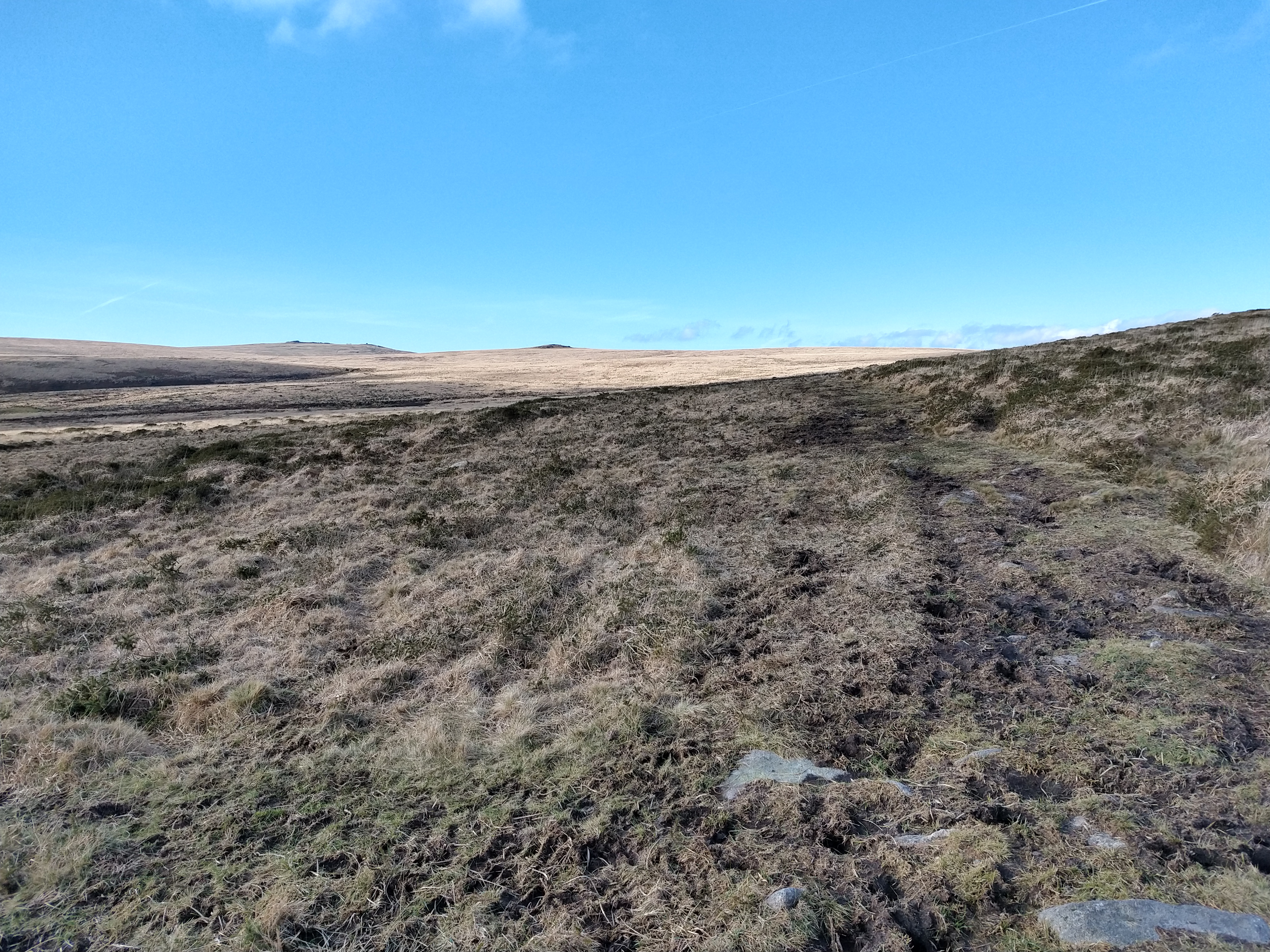


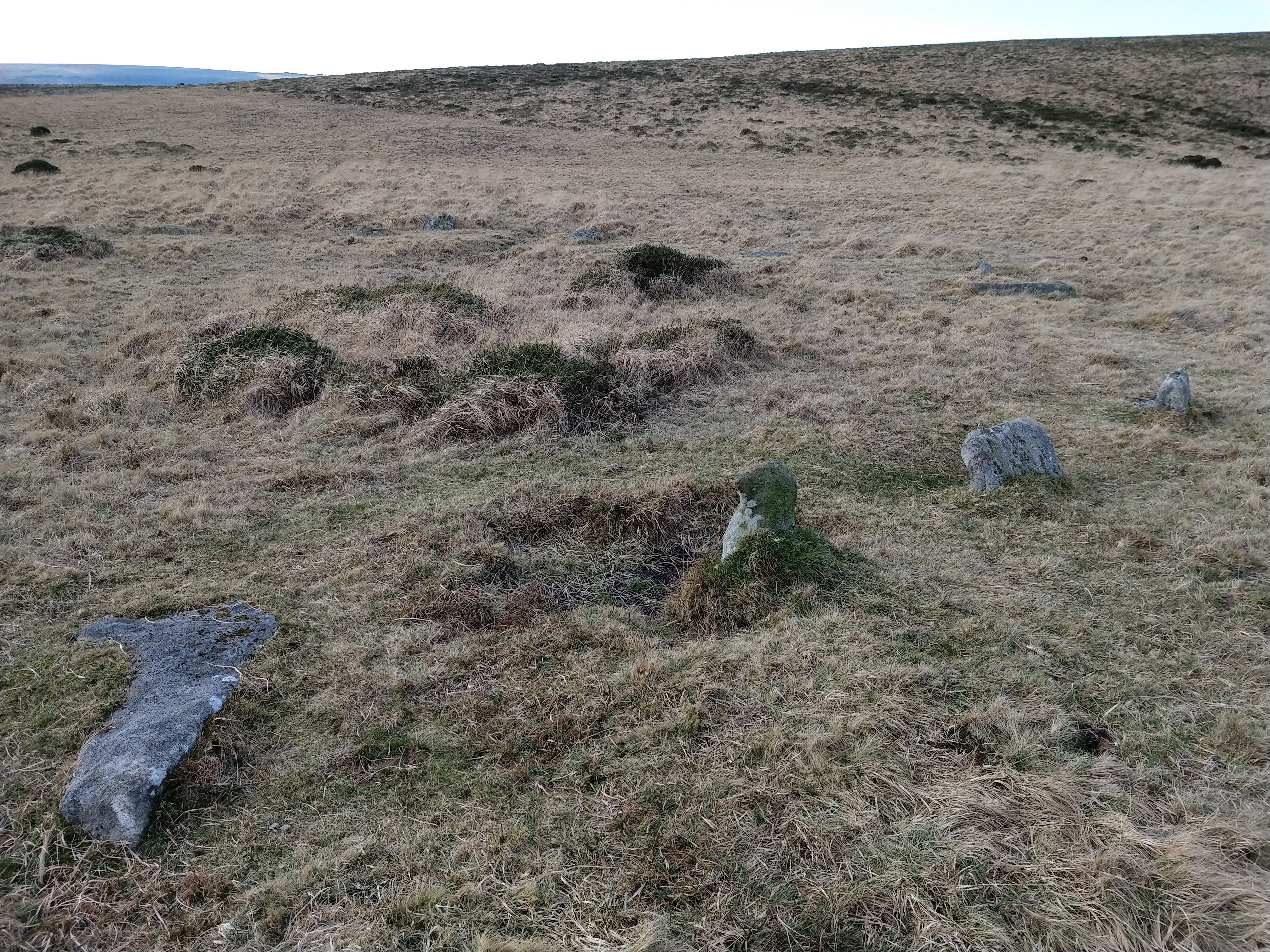
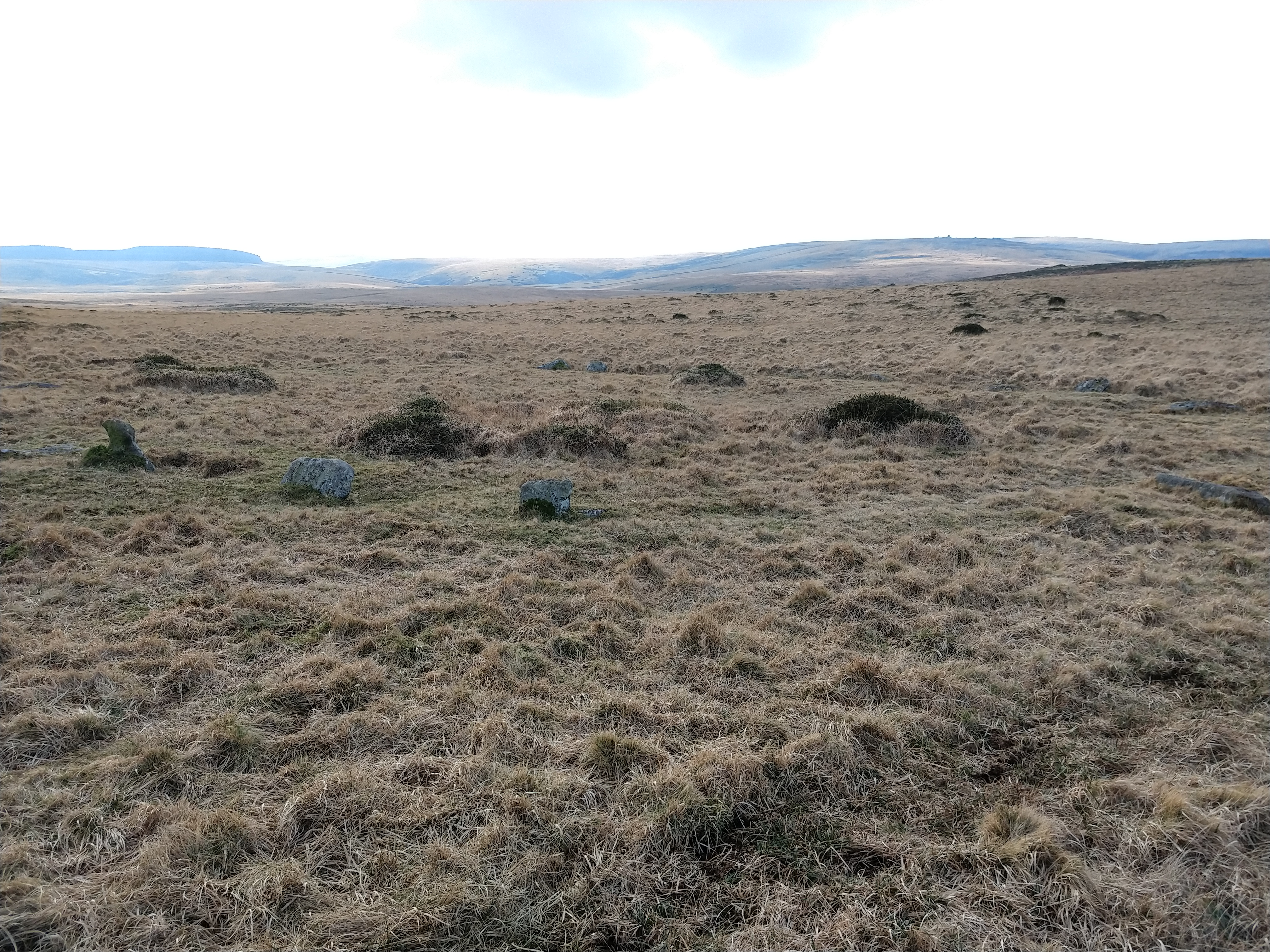
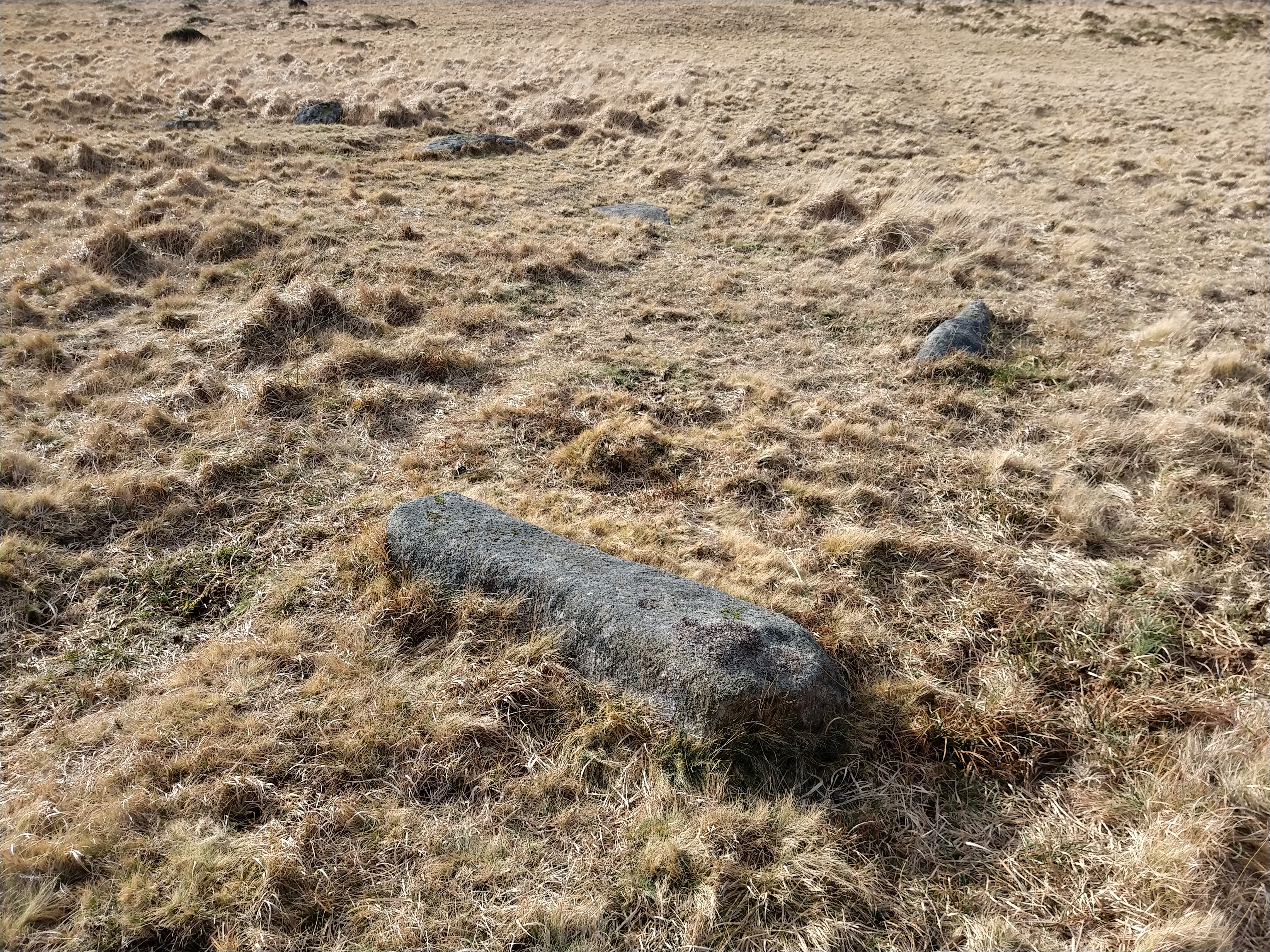
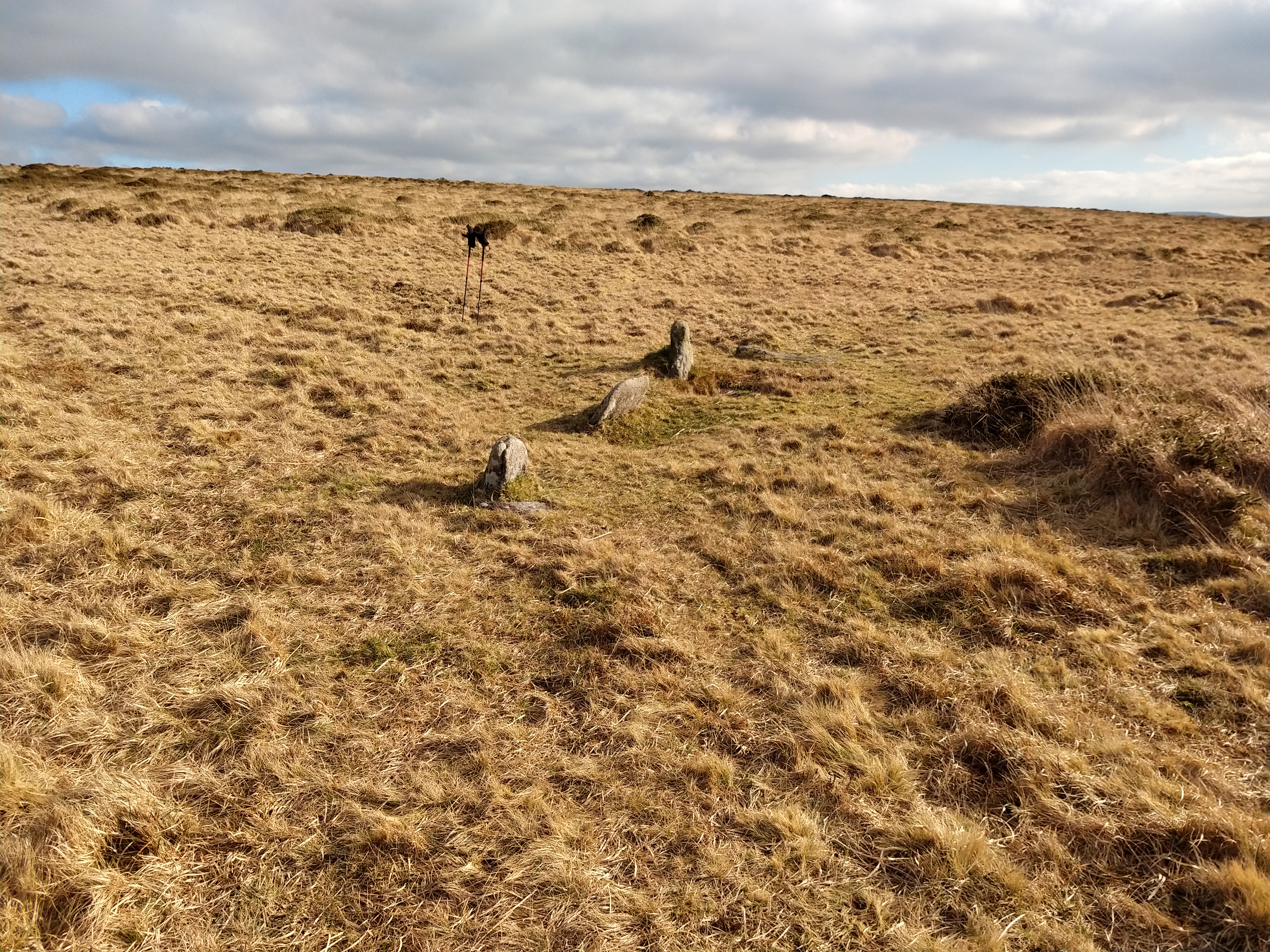
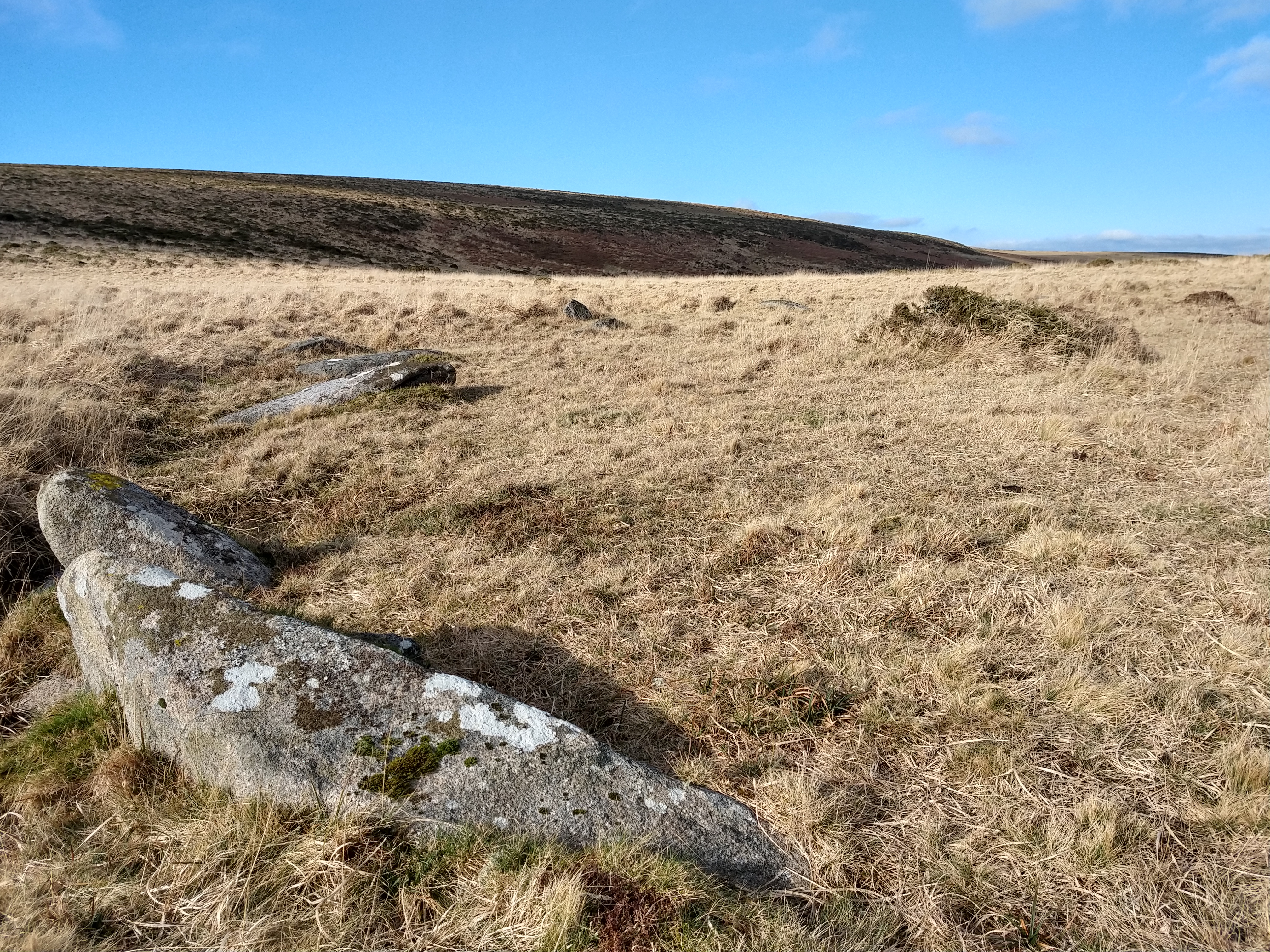
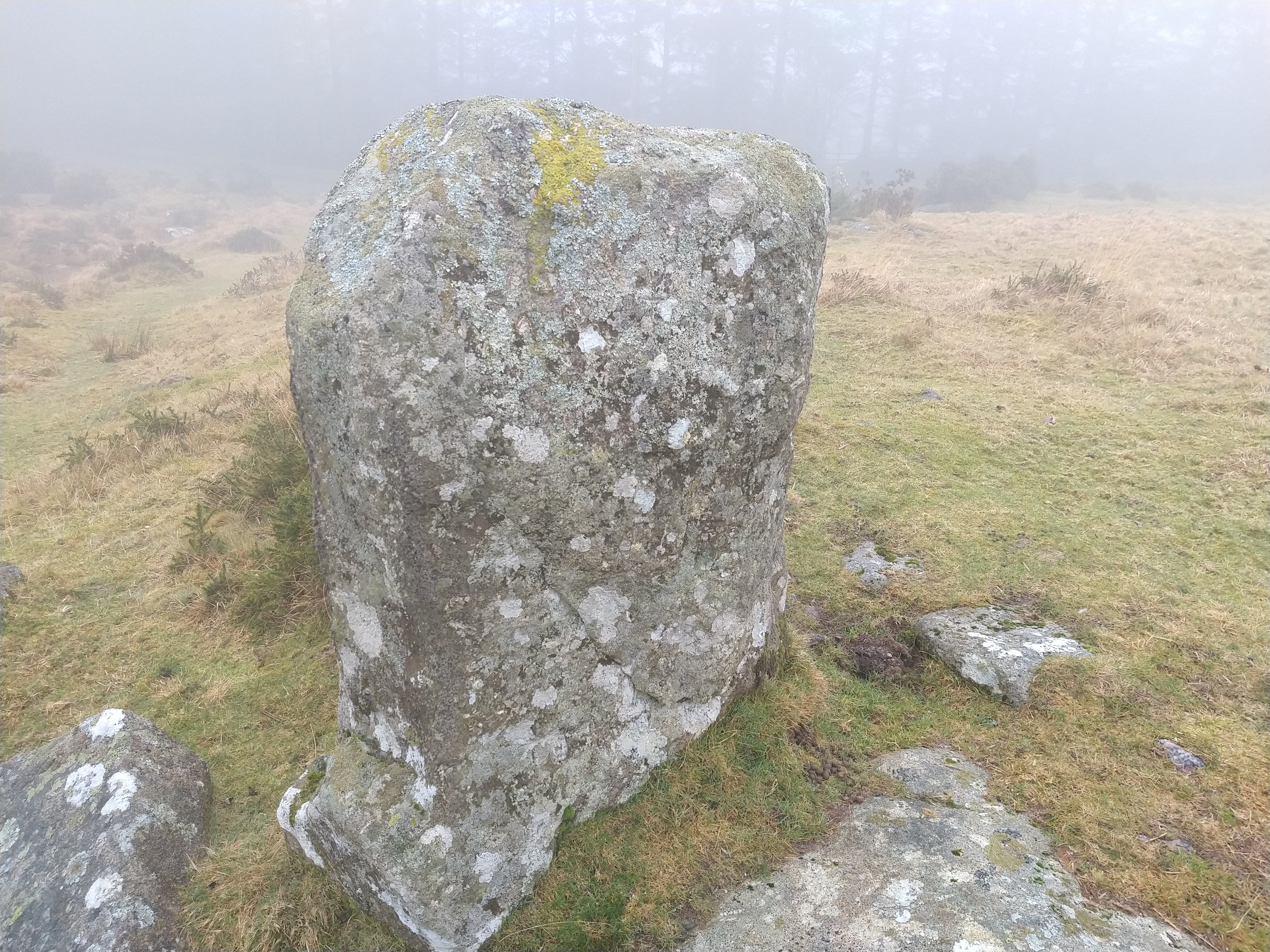
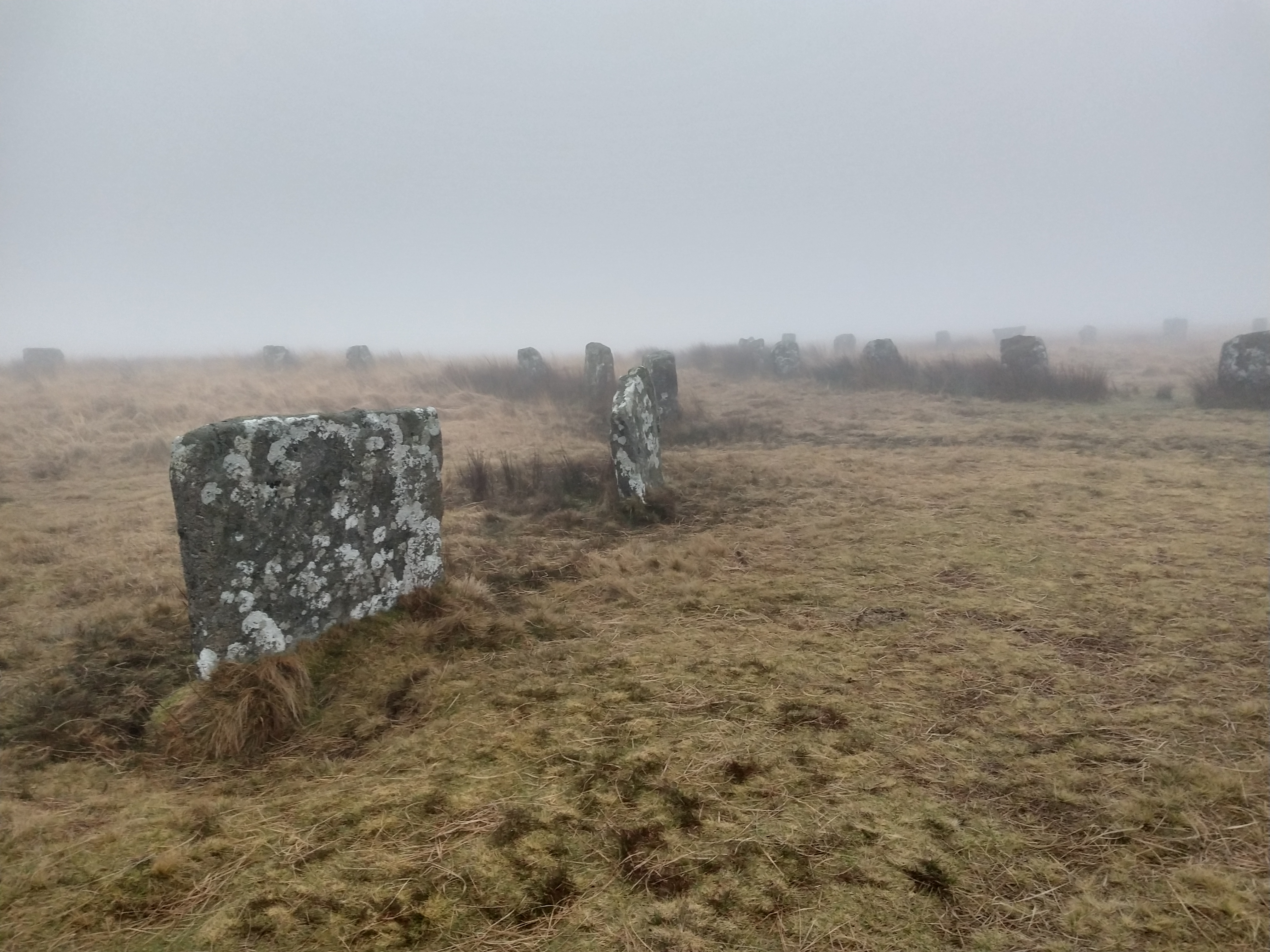
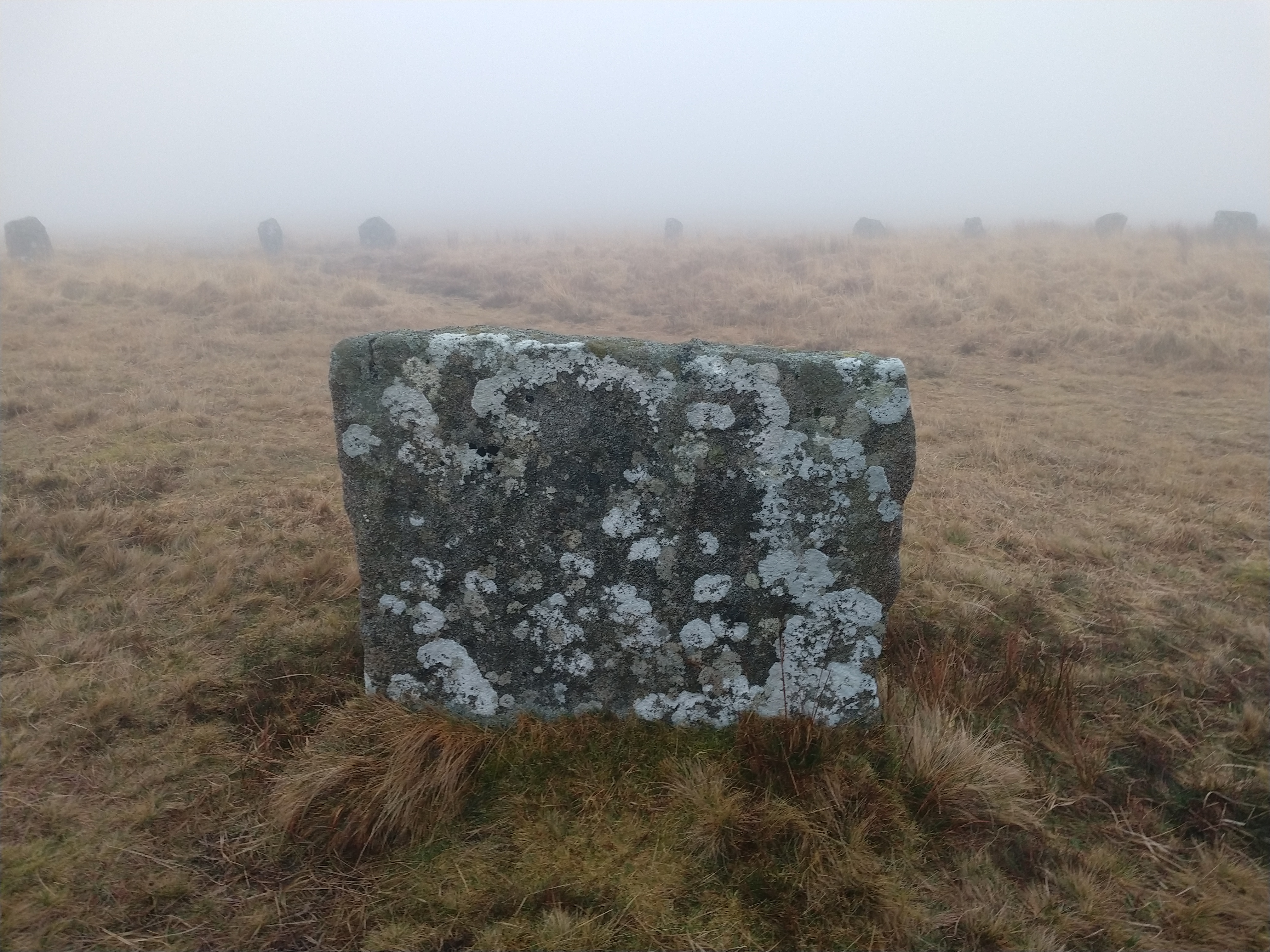
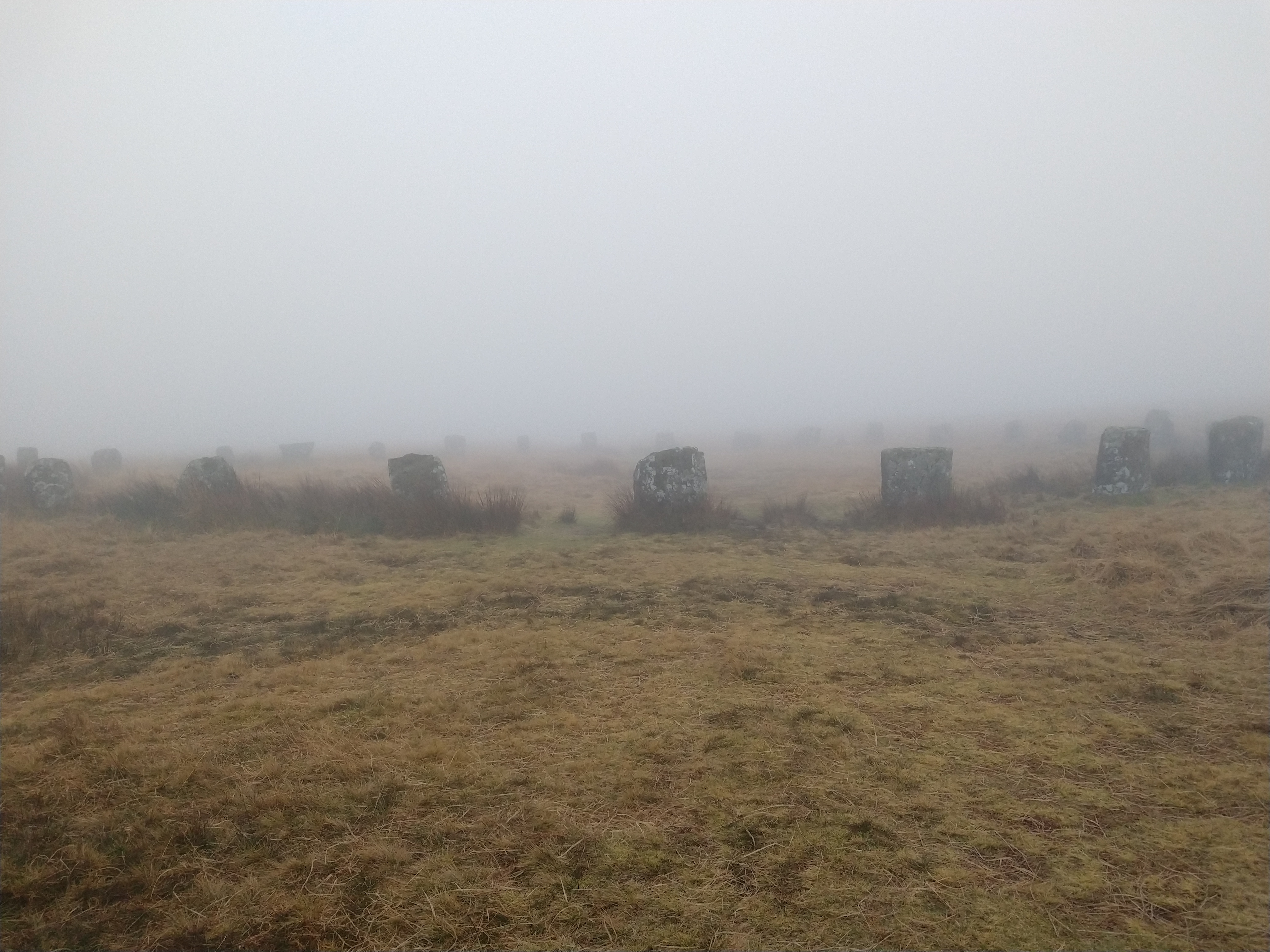
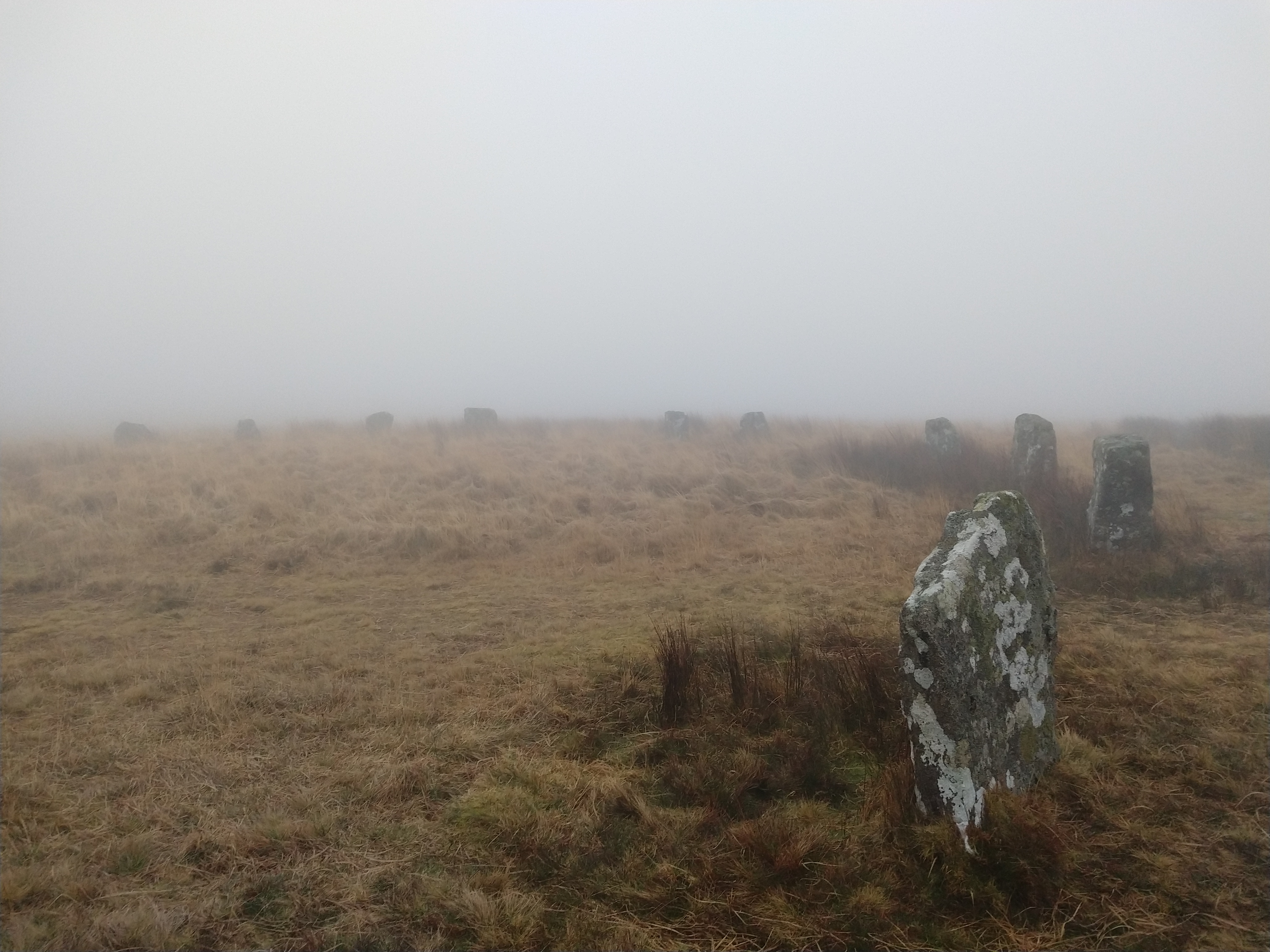
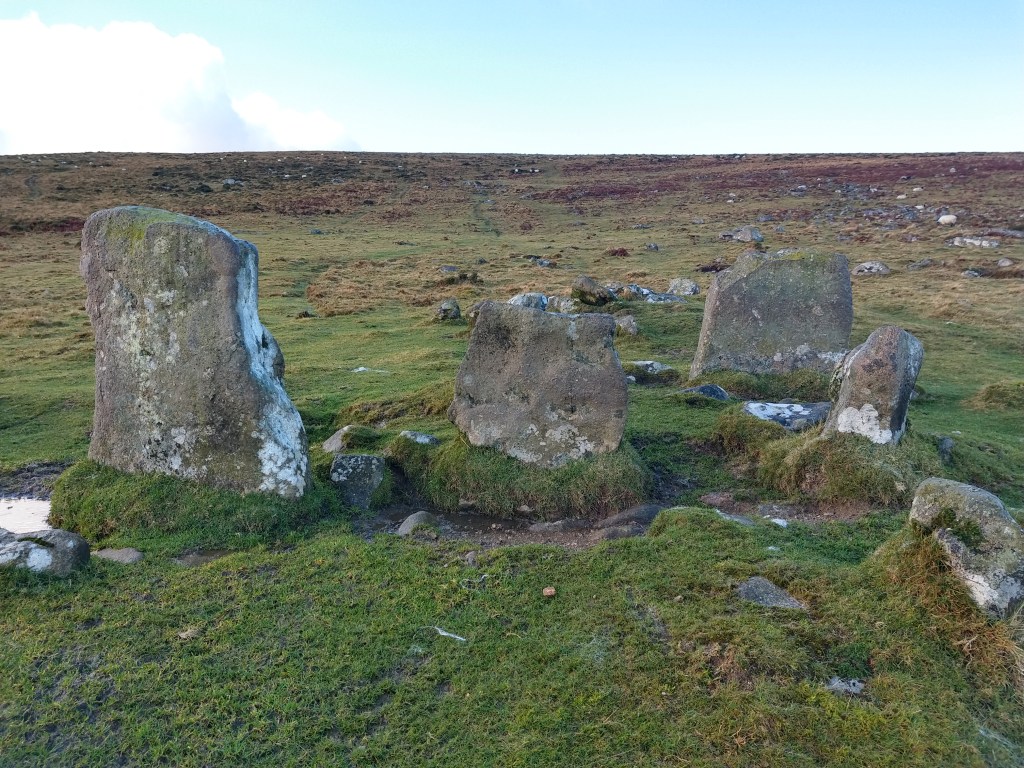
Coming to the east of Buttern hill, I passed over a stream and headed N off the path to Buttern Hill Stone Circle. A circle that people rarely visit, possibly as it’s an unimpressive stone circle these days, as it’s one of the few that hasn’t been “restored”, but it’s still bigger than White Moor circle, at nearly 25m diameter. Only 5 of the 20-odd stones still stand.

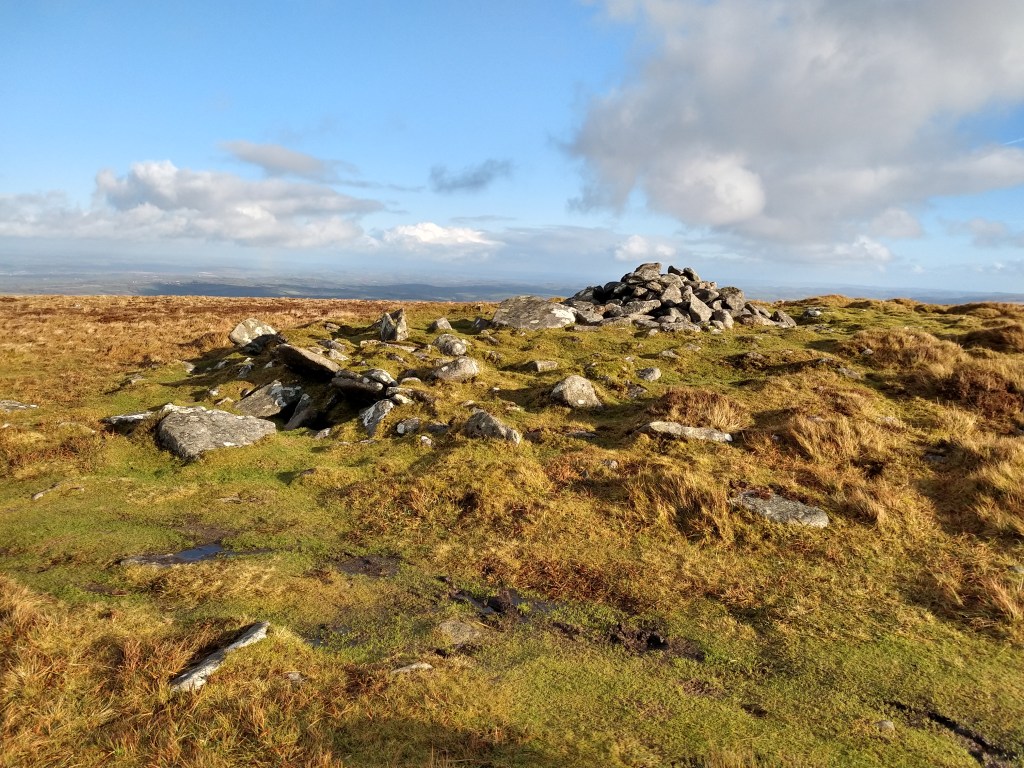
A path headed east up to the top of Buttern Hill. I went off looking for some cairns on the summit of the hill, though apart from some lumps and bumps, nothing seemed distinct, so I headed off to the Tor to bag another tor I had not yet visited.

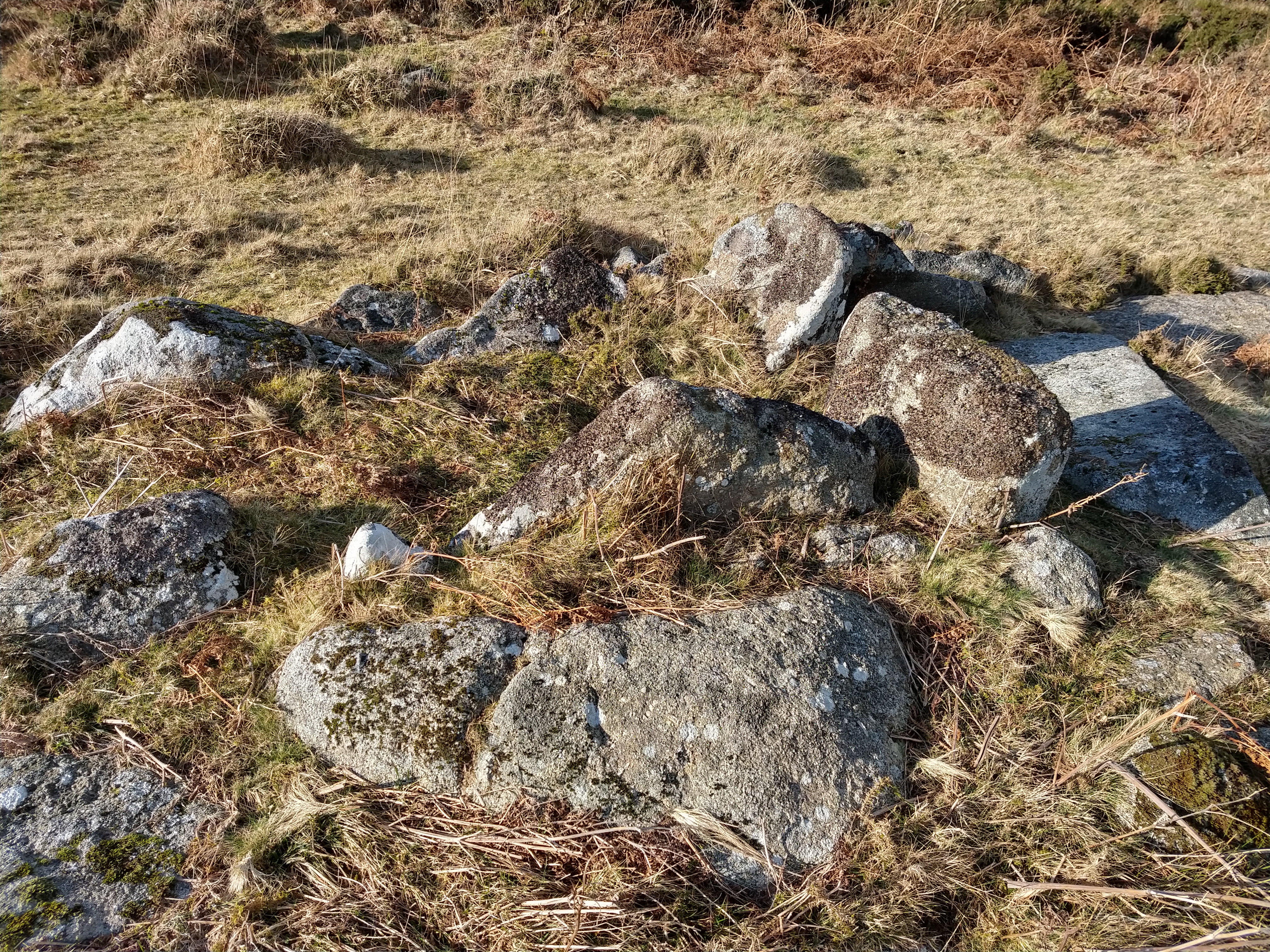
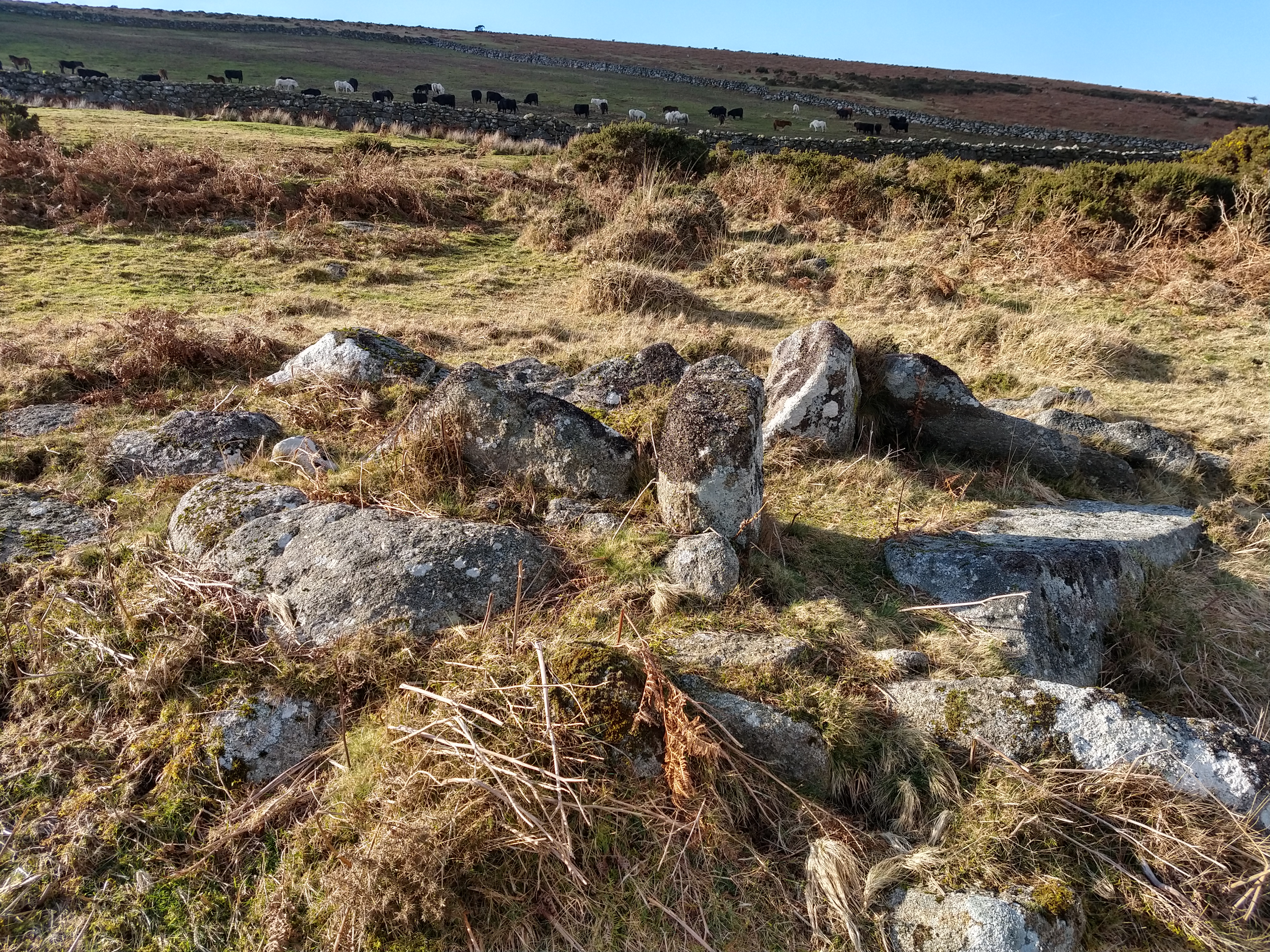
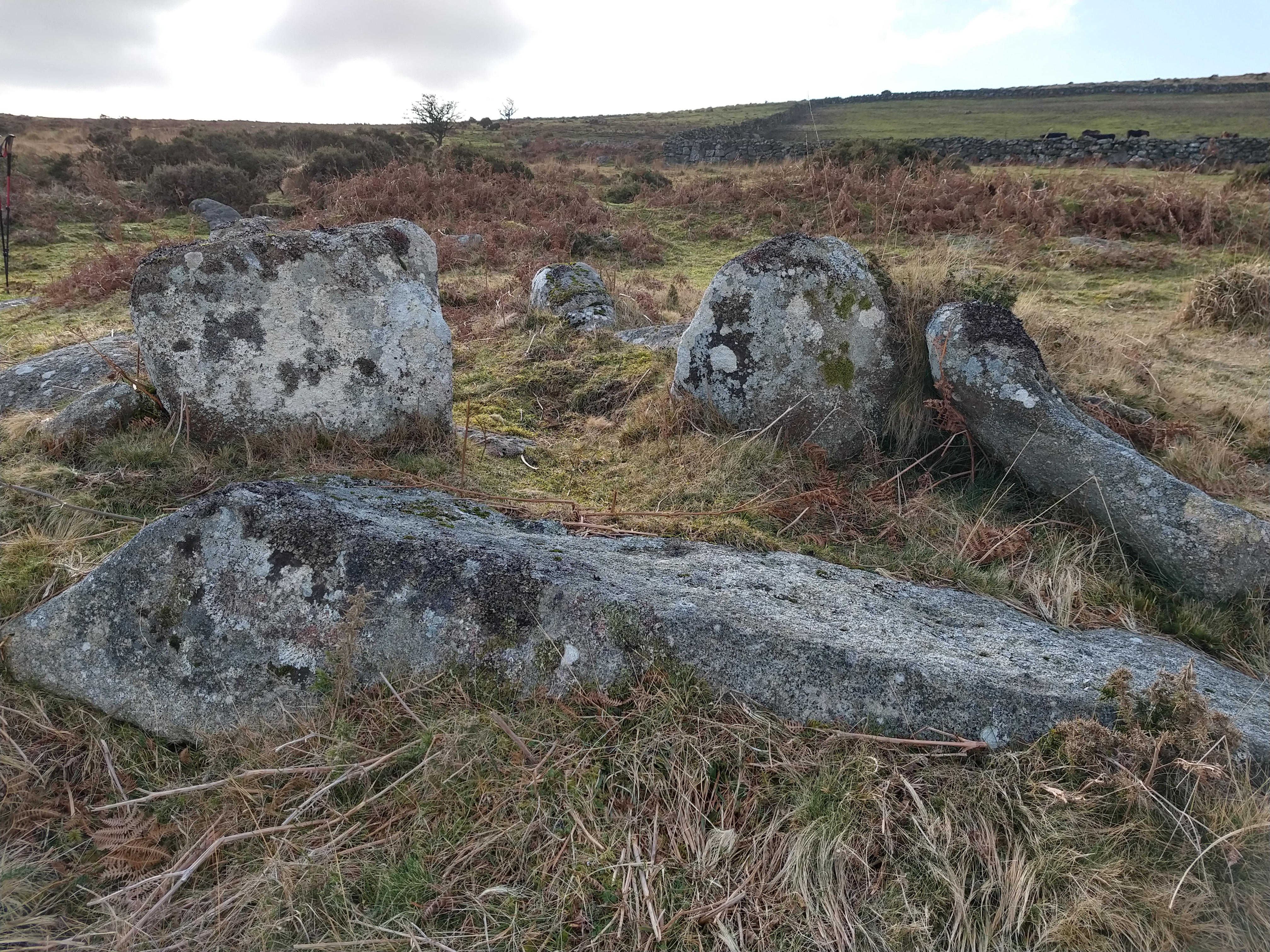
Further to the east of Buttern Hill sits what the map calls a chambered cairn, so I headed around a walled enclosure, full of cattle and horses. After a while searching I came across it, a cairn showing the remains of a chamber or cist, with stones sat on edge to create a structure the likes of which I have not before seen on Dartmoor so far.

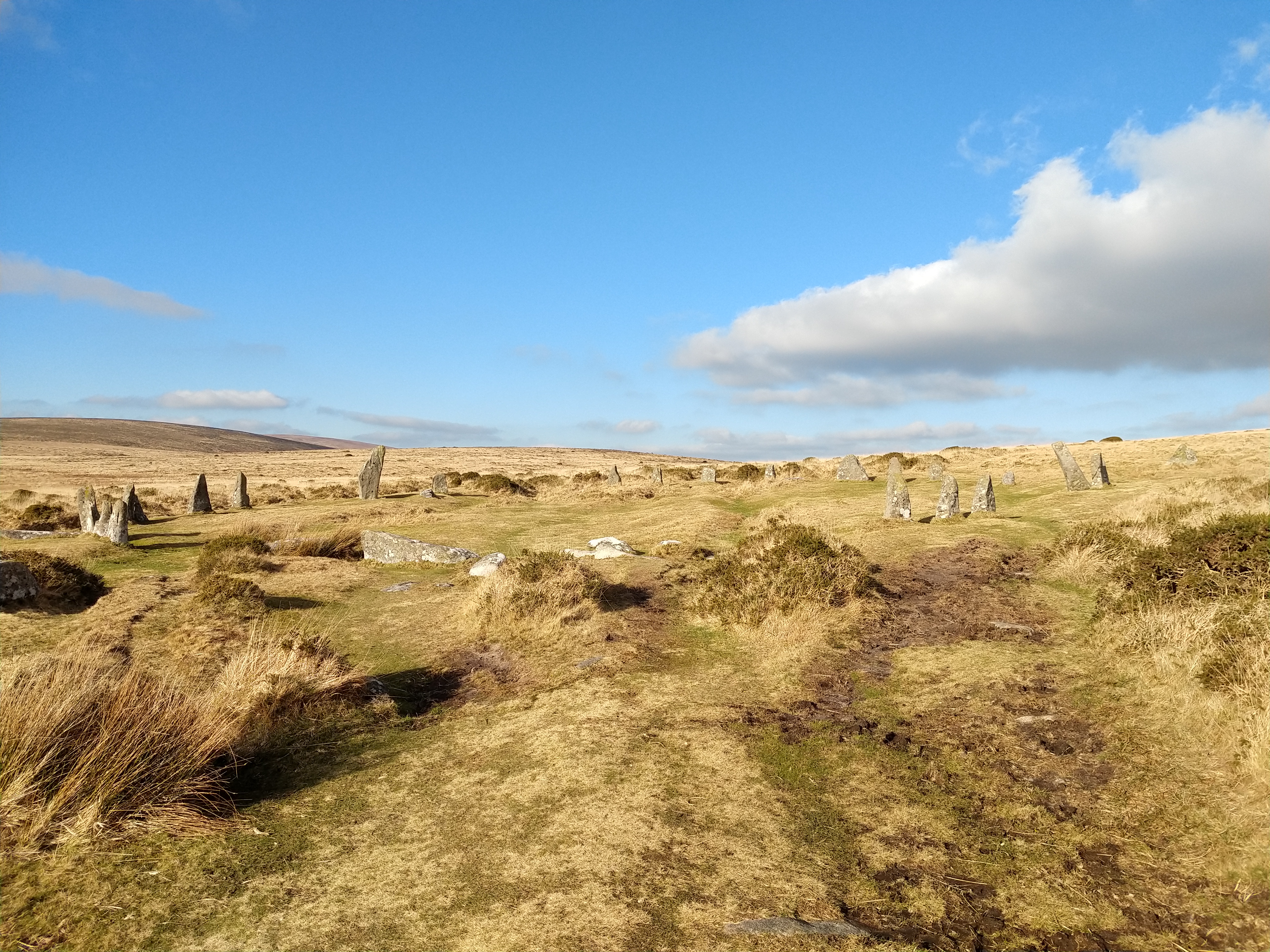
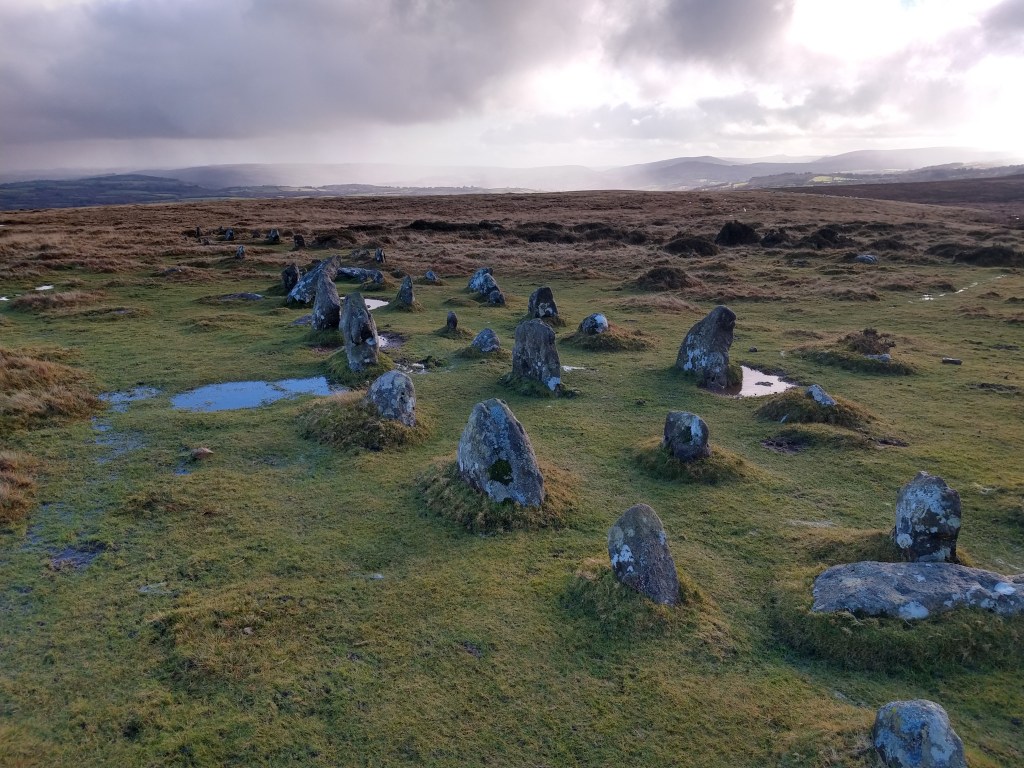
Time was getting on, and I was hungry, so decided to head to Scorhill, visit the circle and have lunch. I have visited Scorhill circle many times; it was the very first place I ever visited on Dartmoor. And it is one of Dartmoor’s most impressive circles, at over 27m in diameter and with a lot of the stones still standing. Its close proximity to a carpark makes this a popular tourist site, although on the day I visited, there was no-one, and I think this is the only time Ive ever had the circle to myself!
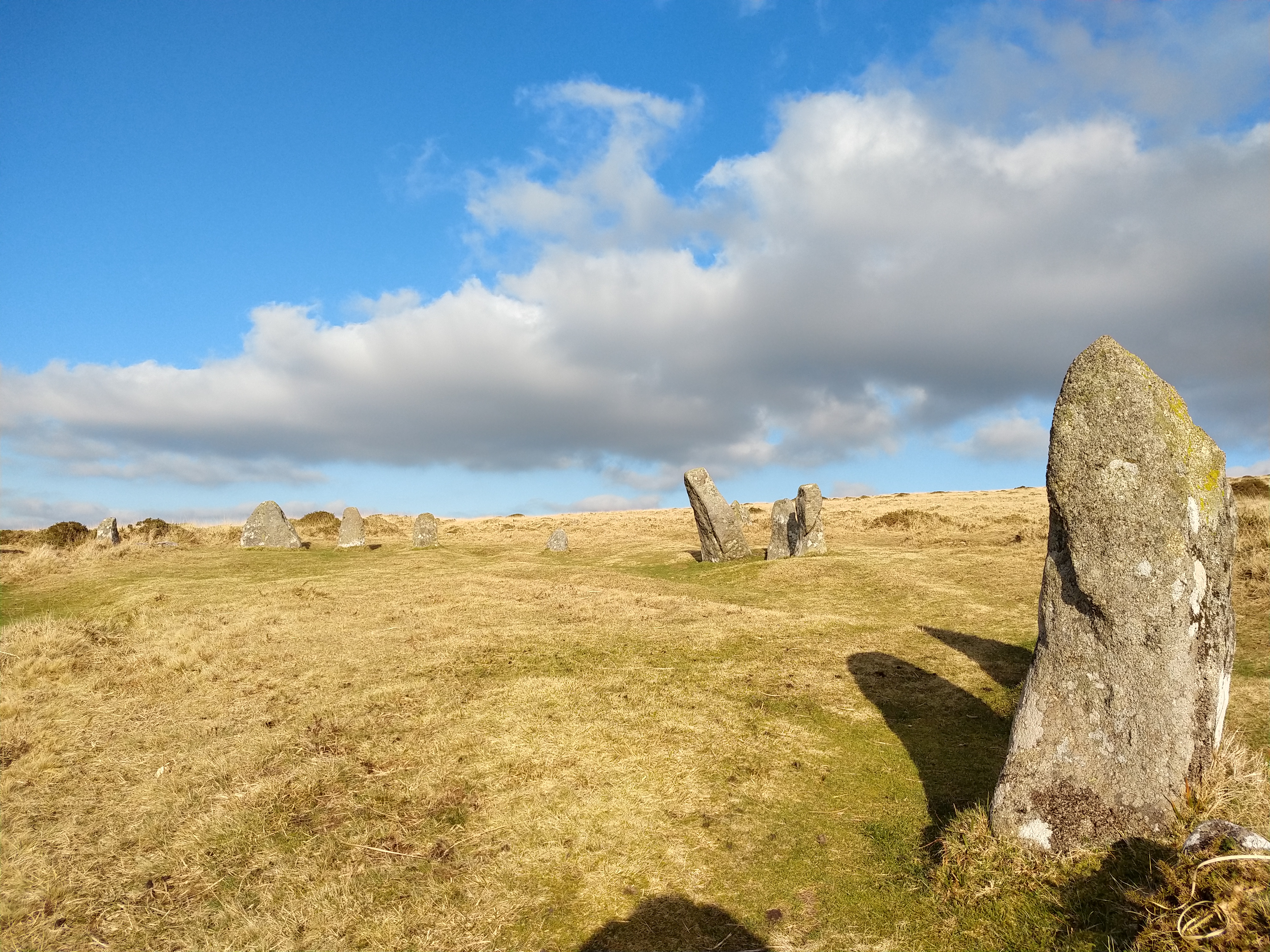

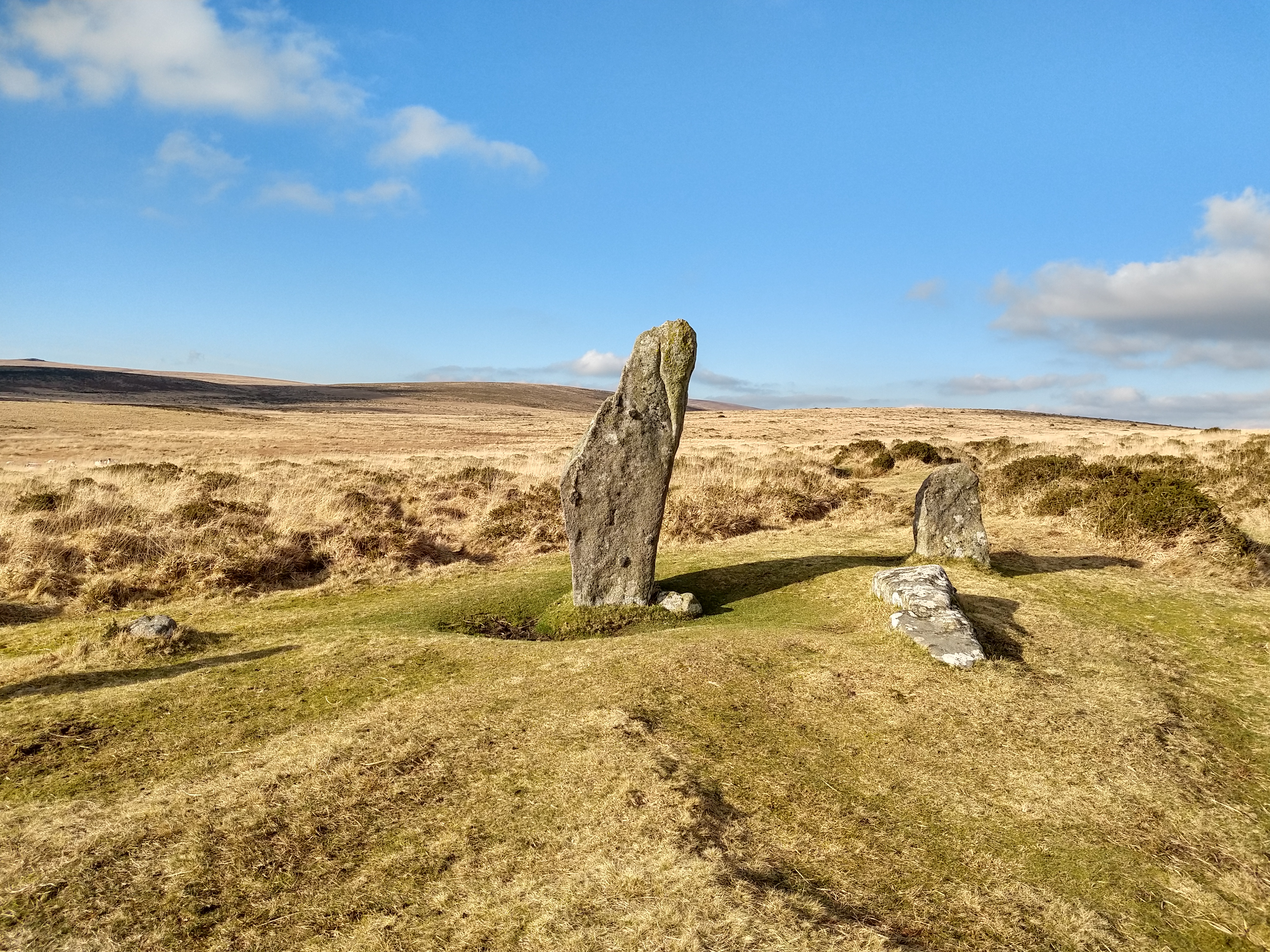
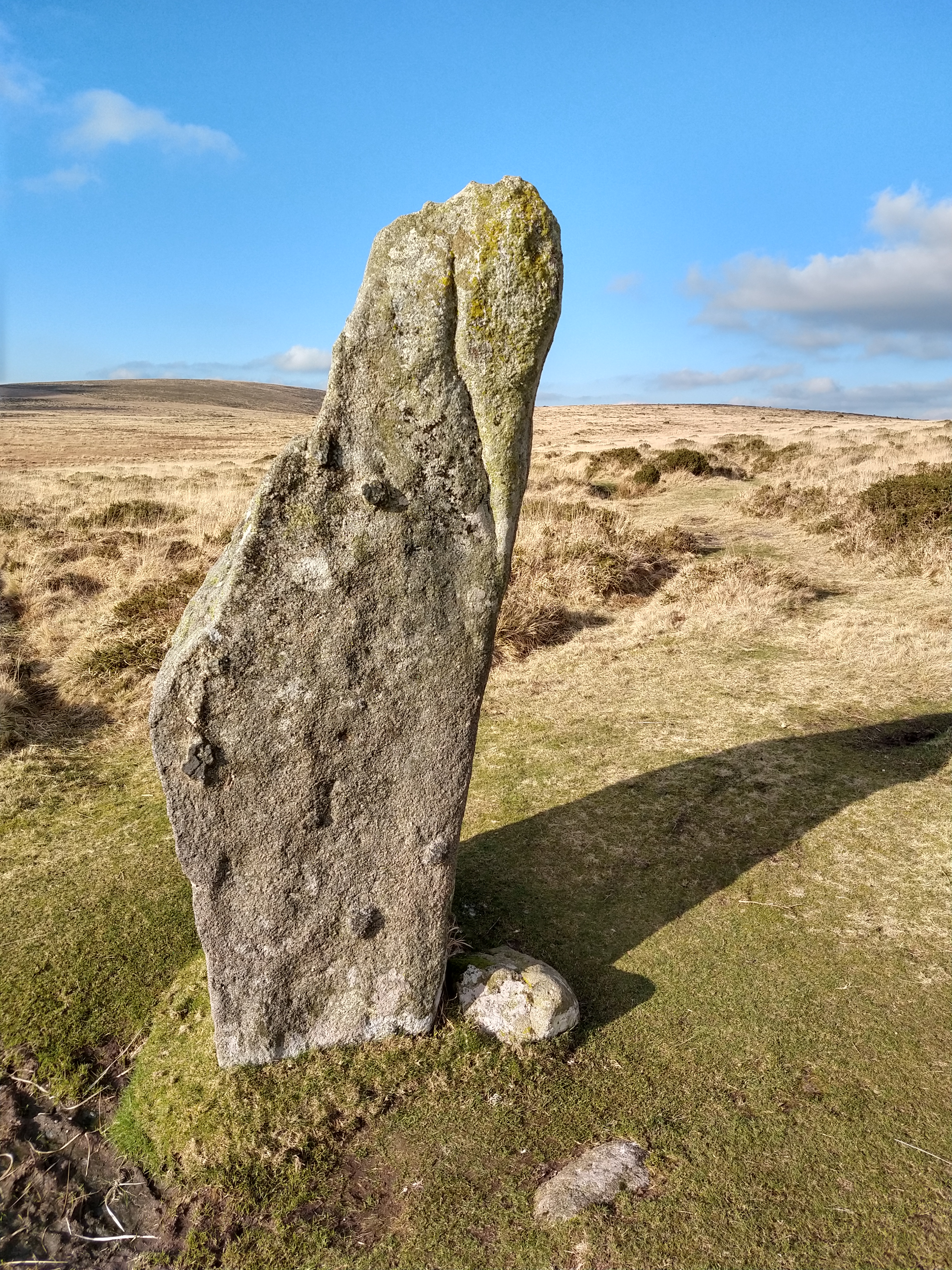
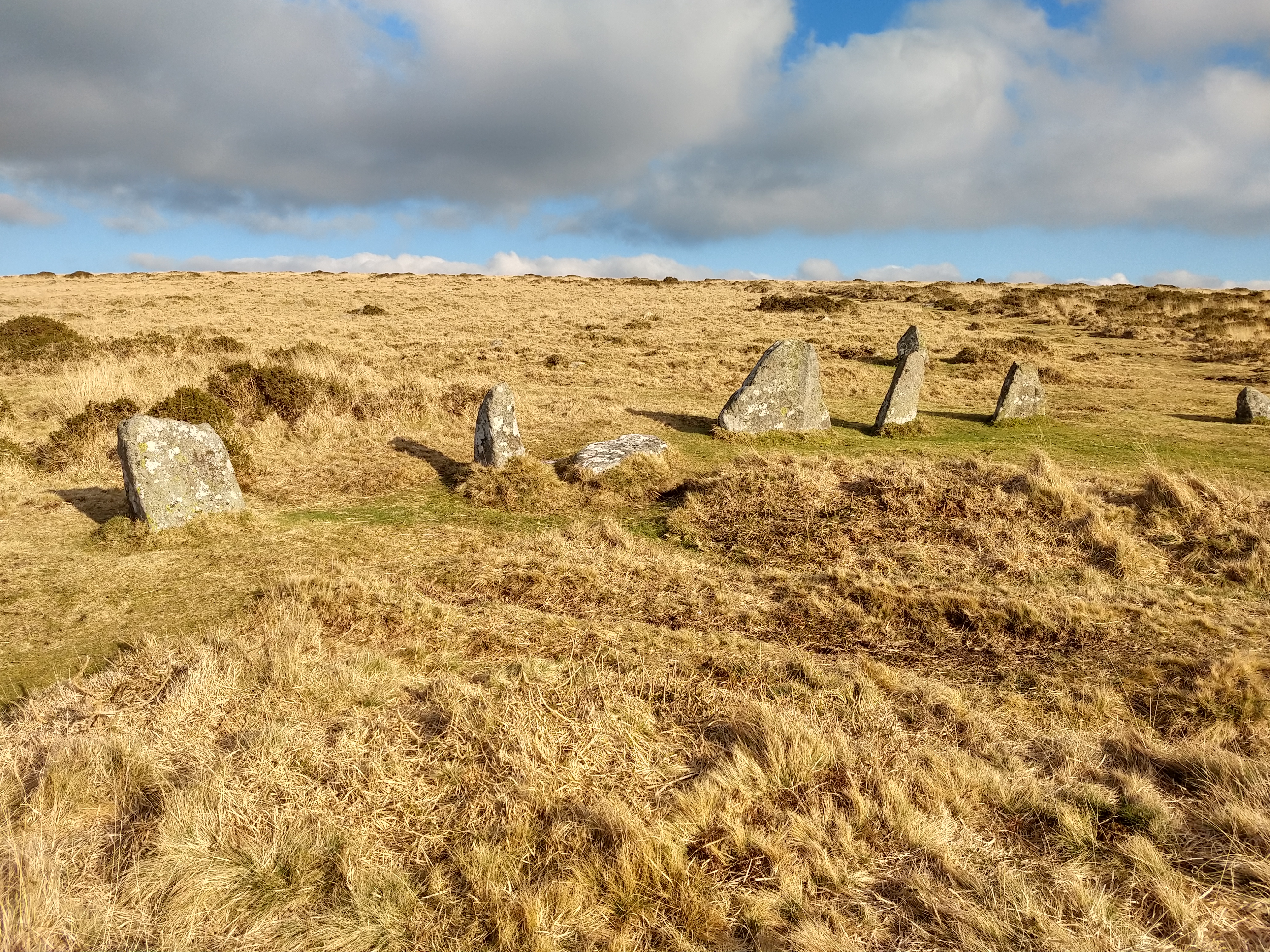
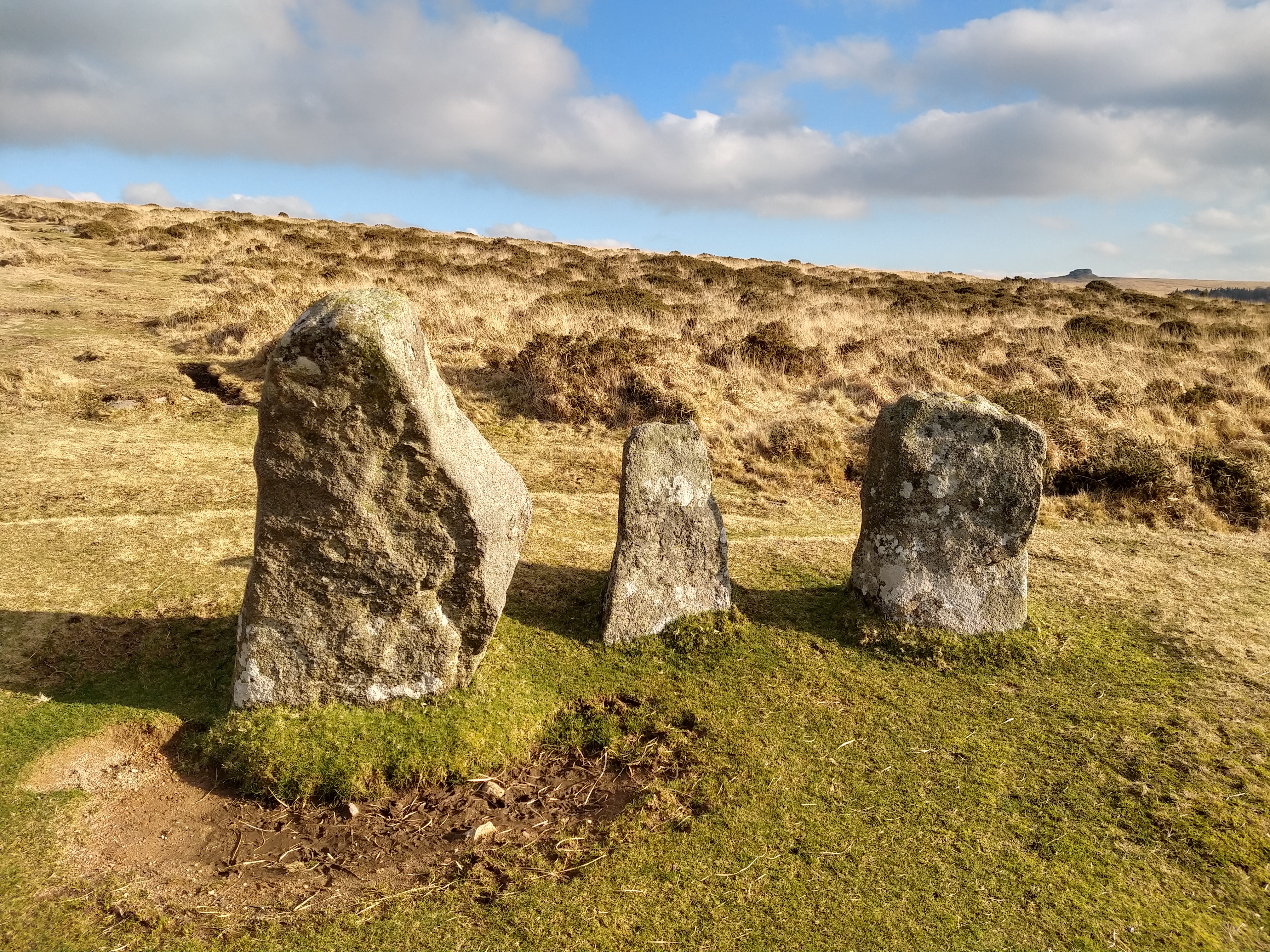
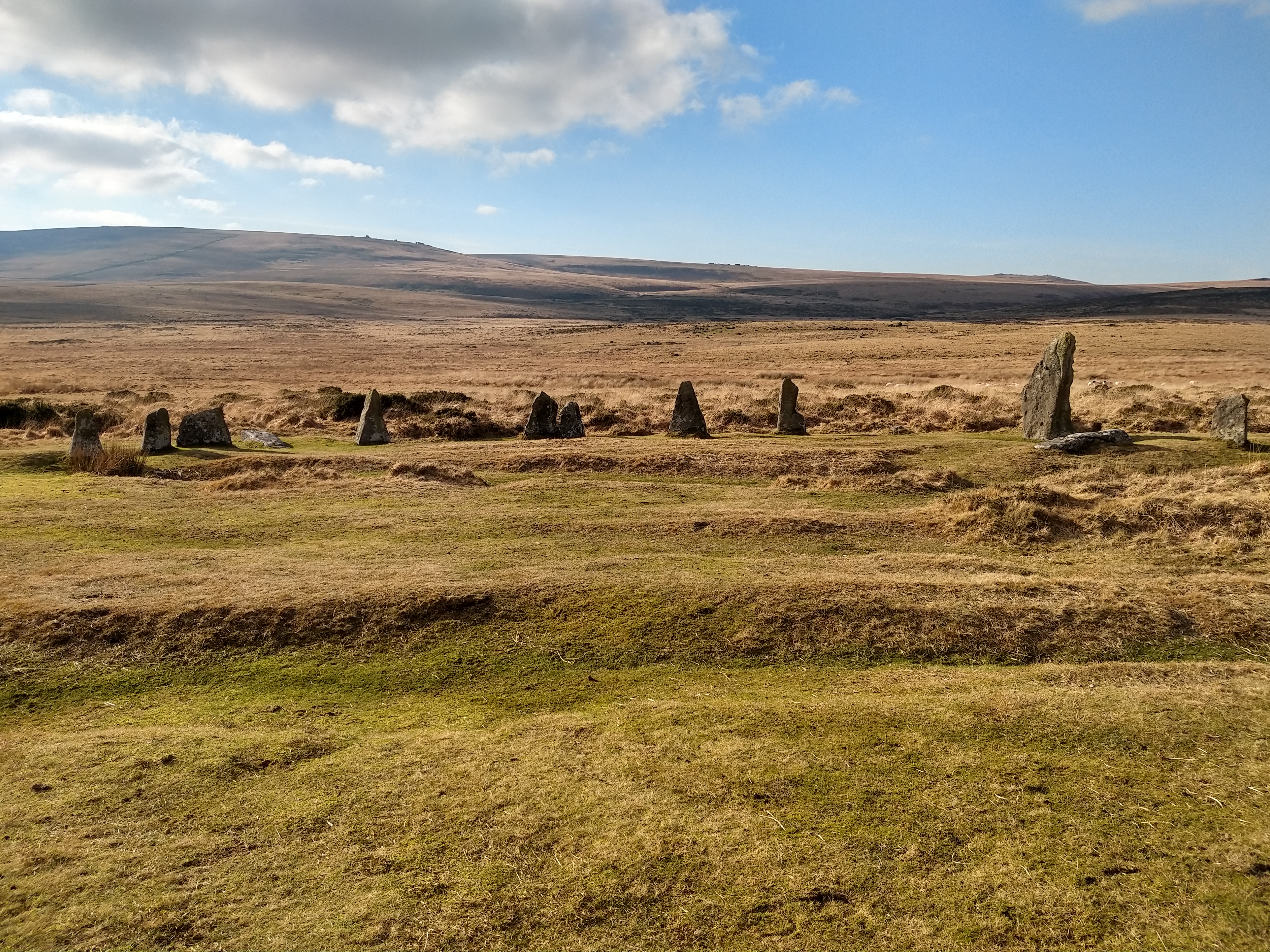
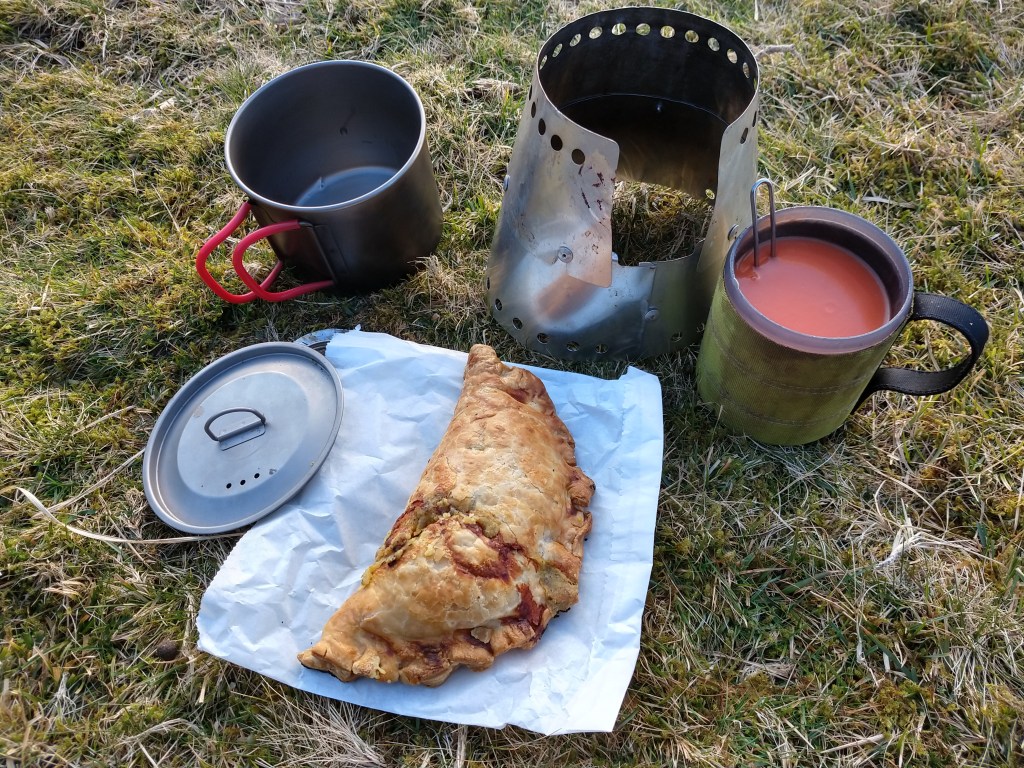
Time for food, I was getting peckish. Finding a nice quiet spot, I filtered some water, and broke out the stove to boil some water, tomato soup with a cheese pasty, a perfect lunch. Sat for bout an hour just watching clouds and time float by.
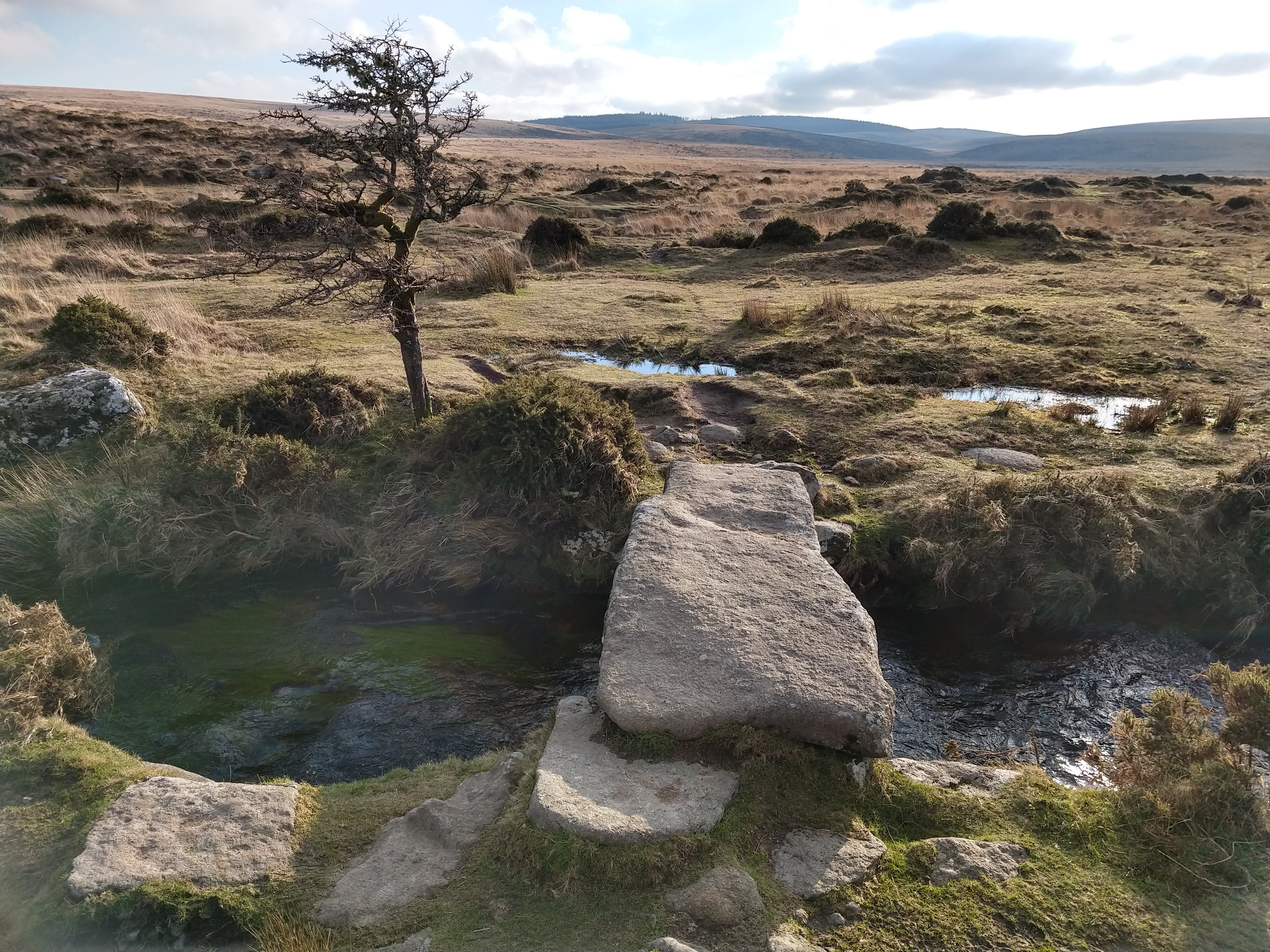
Fed and rested, it was time to move on. Over the clapper bridges, that cross the North Teign river and Gallaven brook and walking alongside Batsworthy, the lowering sun baste the surrounding hills in golden light. Soon Kestor Rocks came into view and the first people I had seen all day!
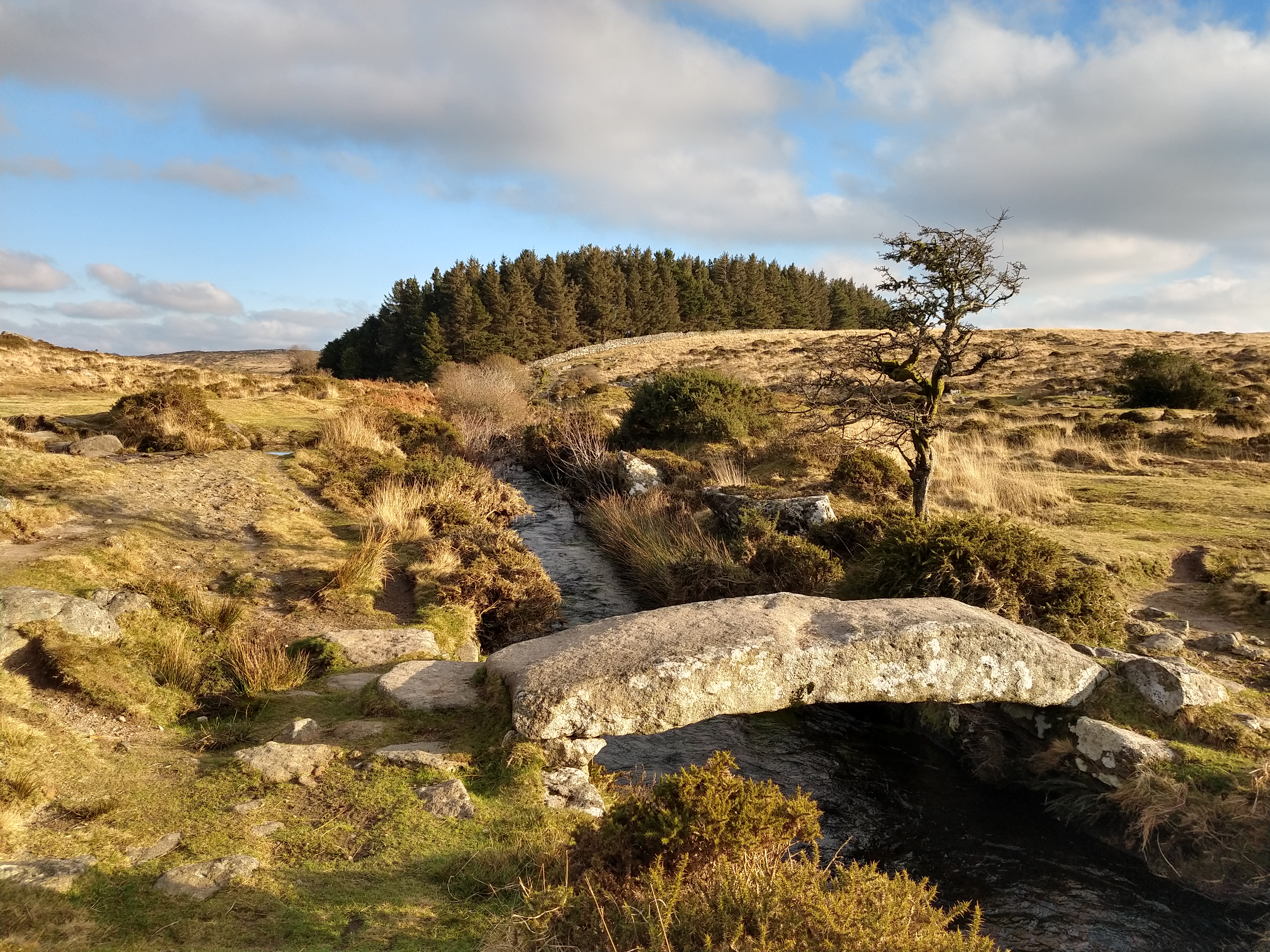

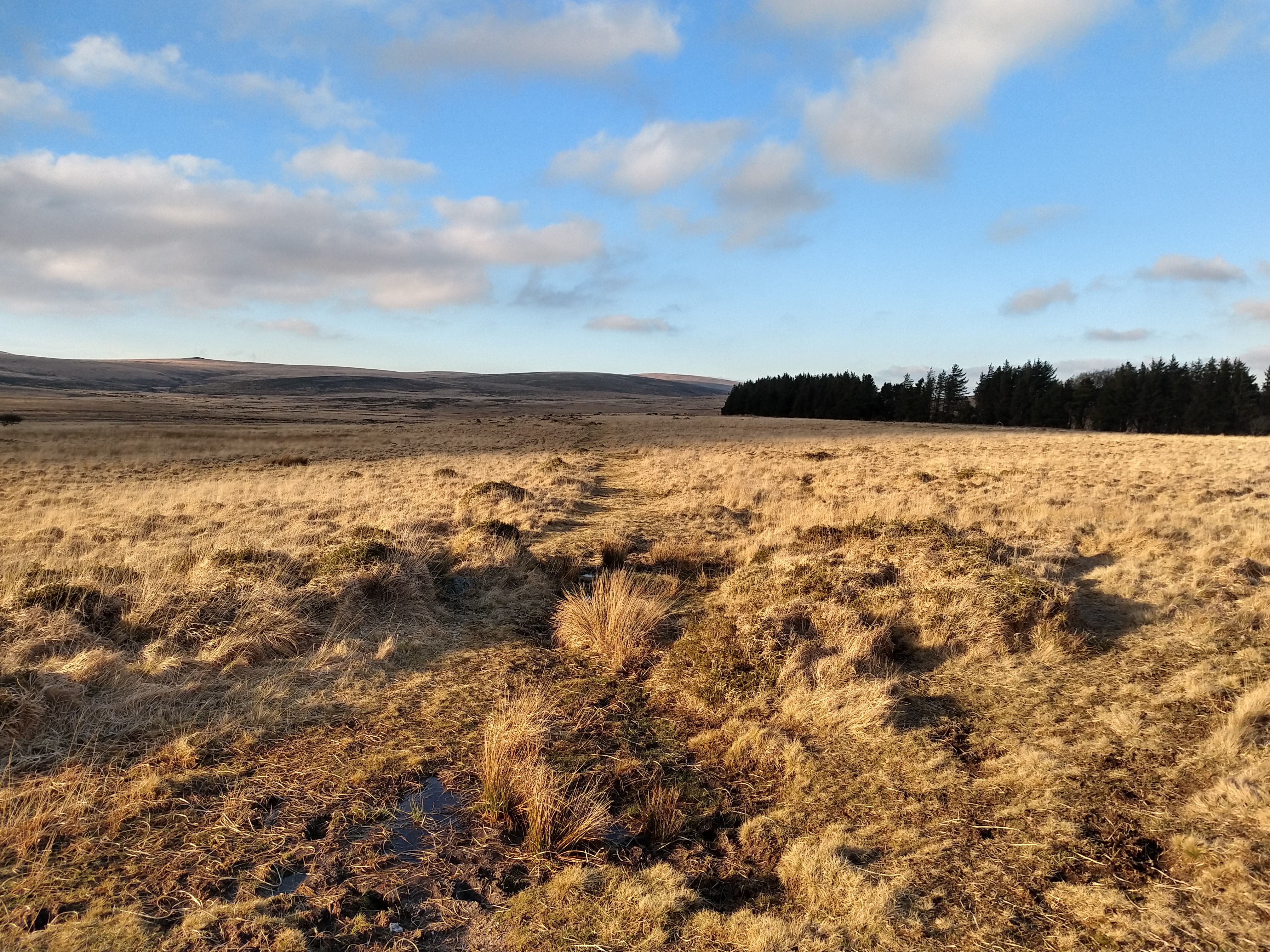
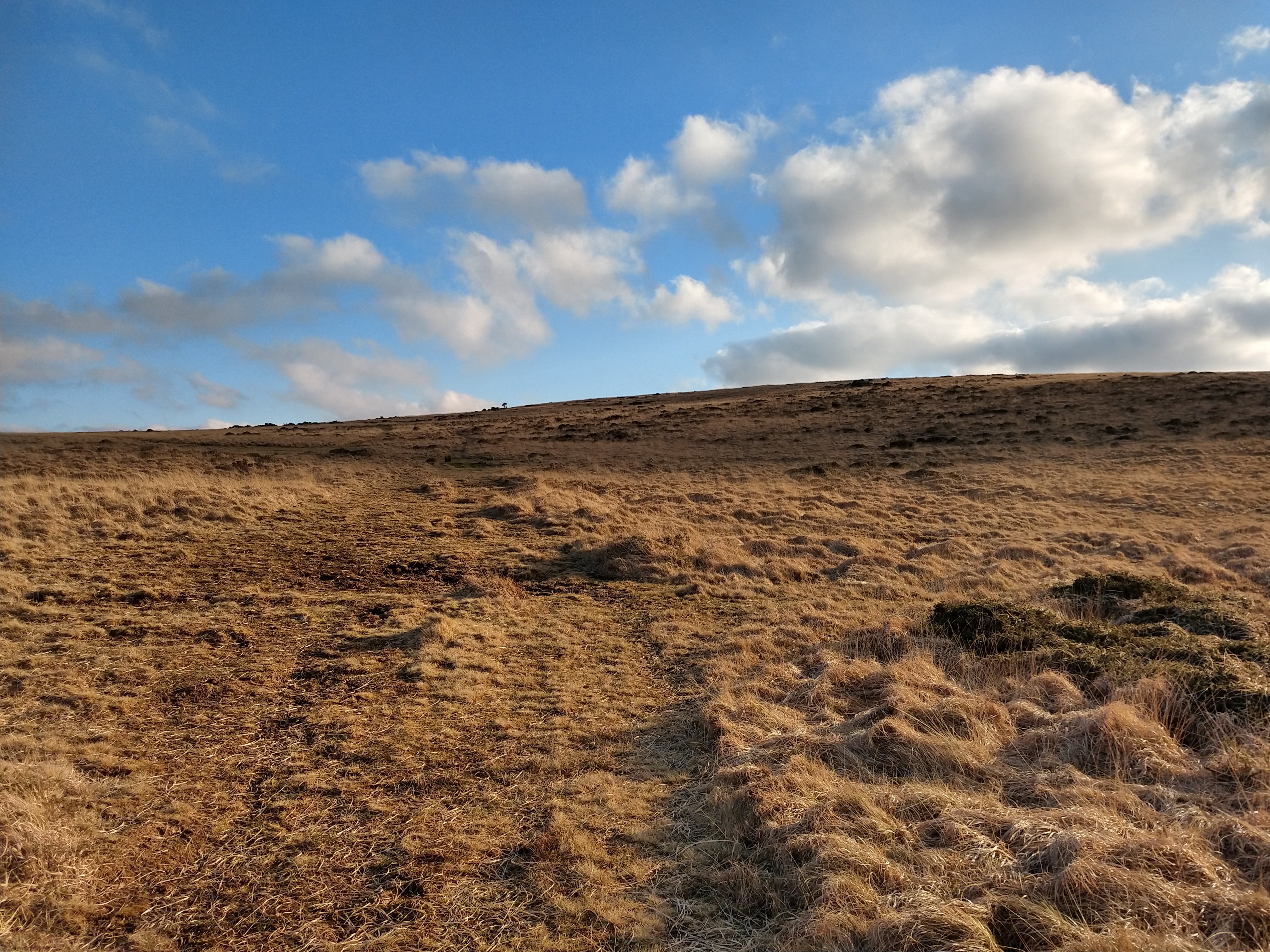
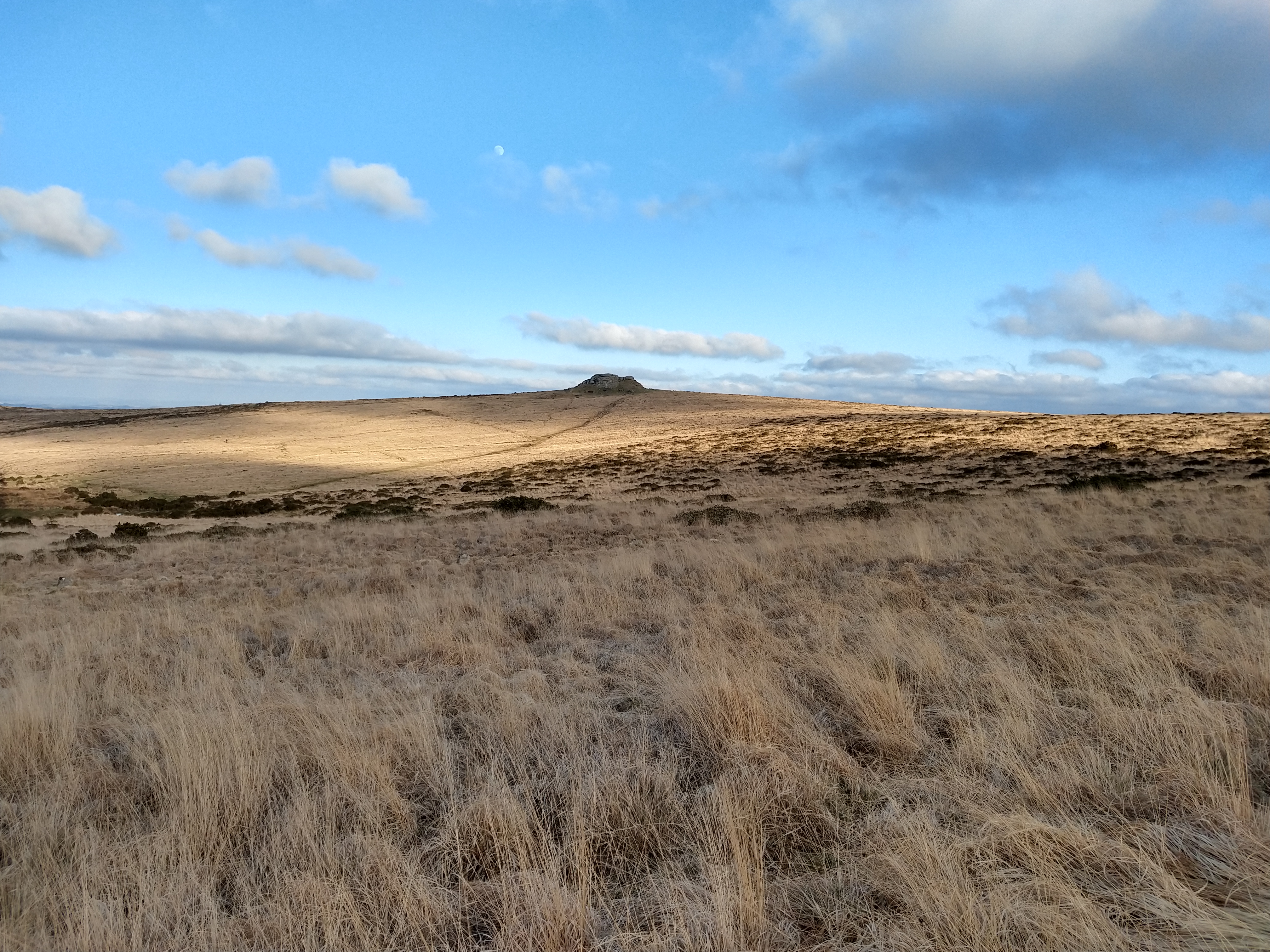
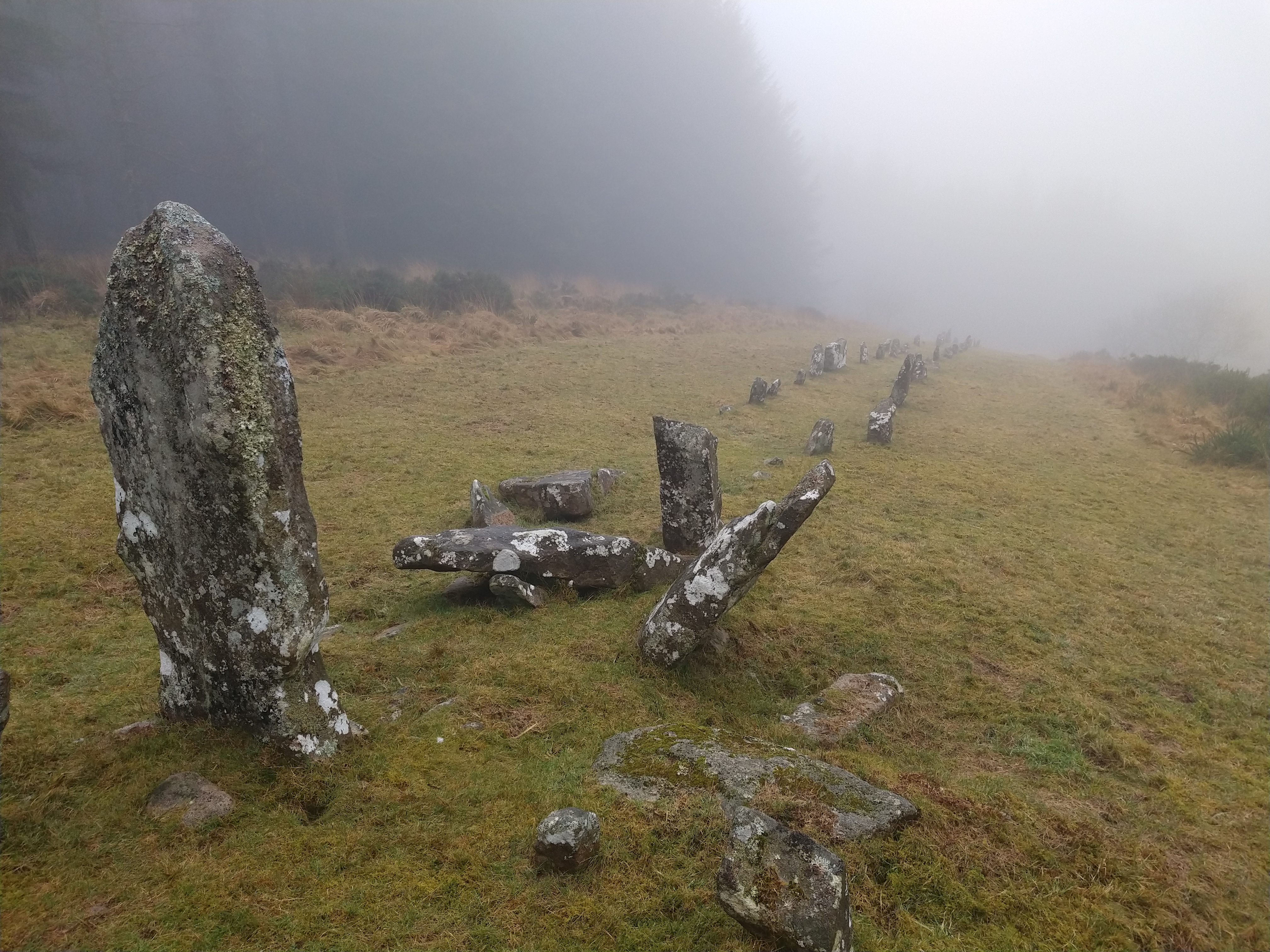
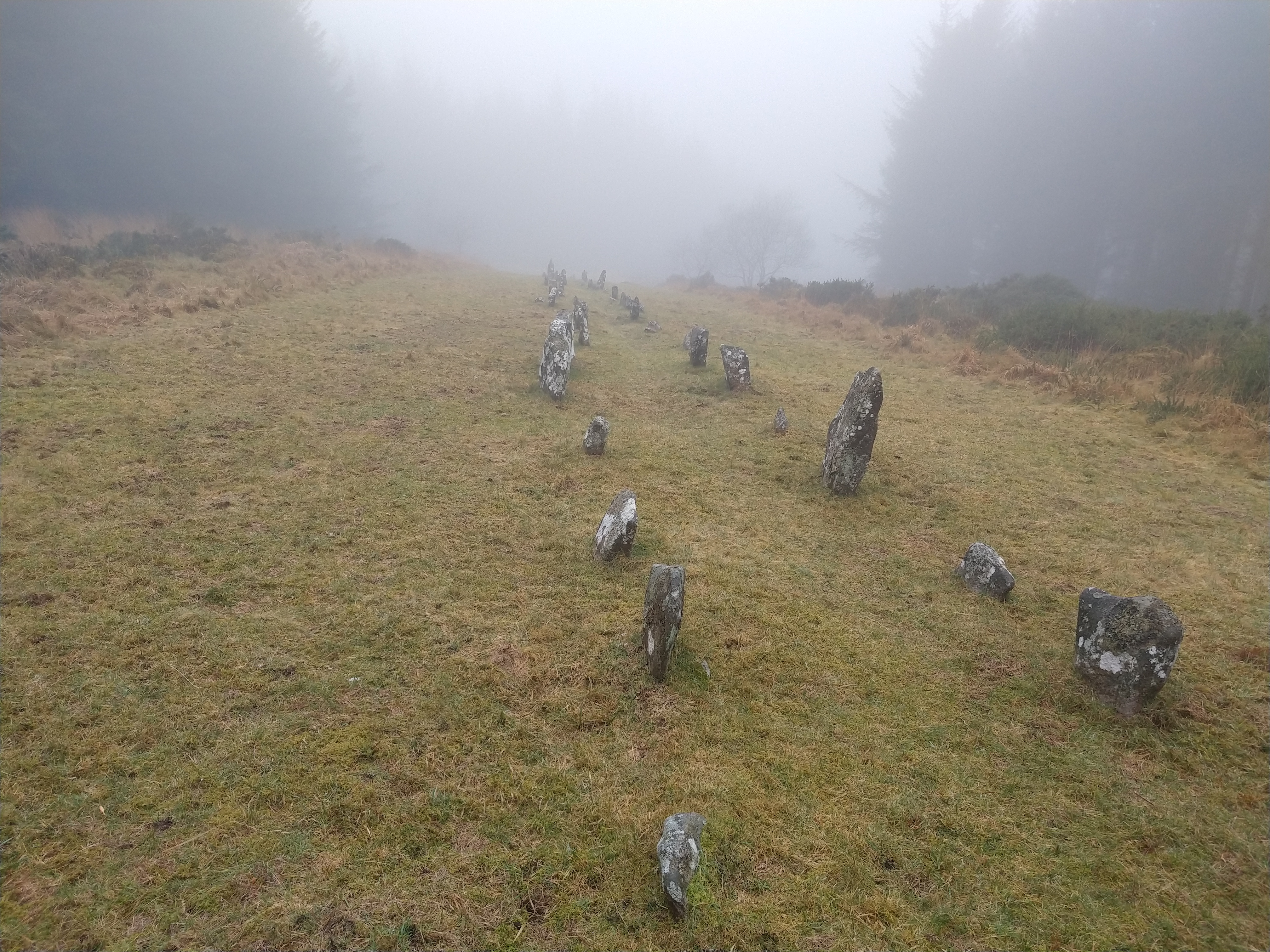
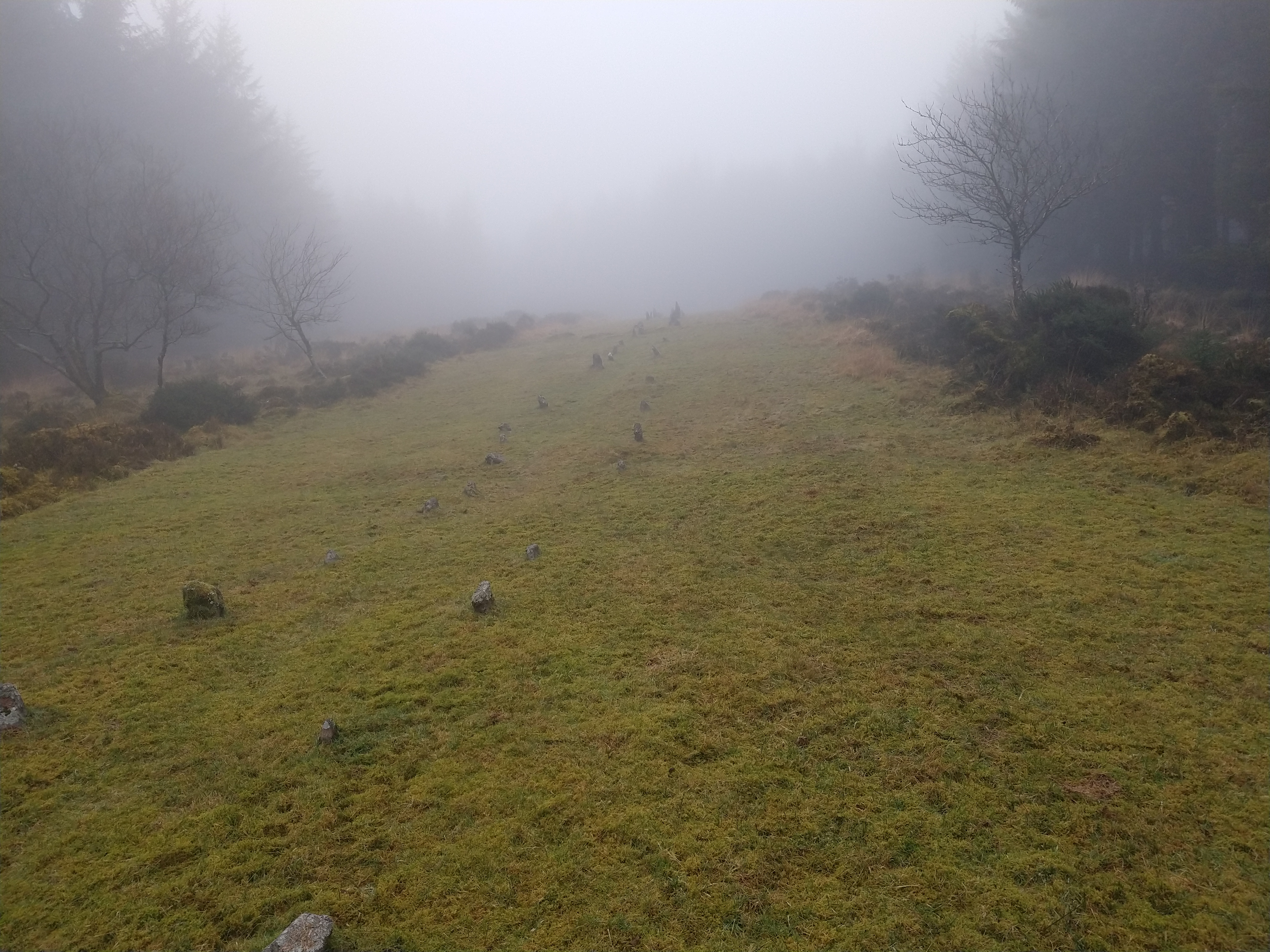
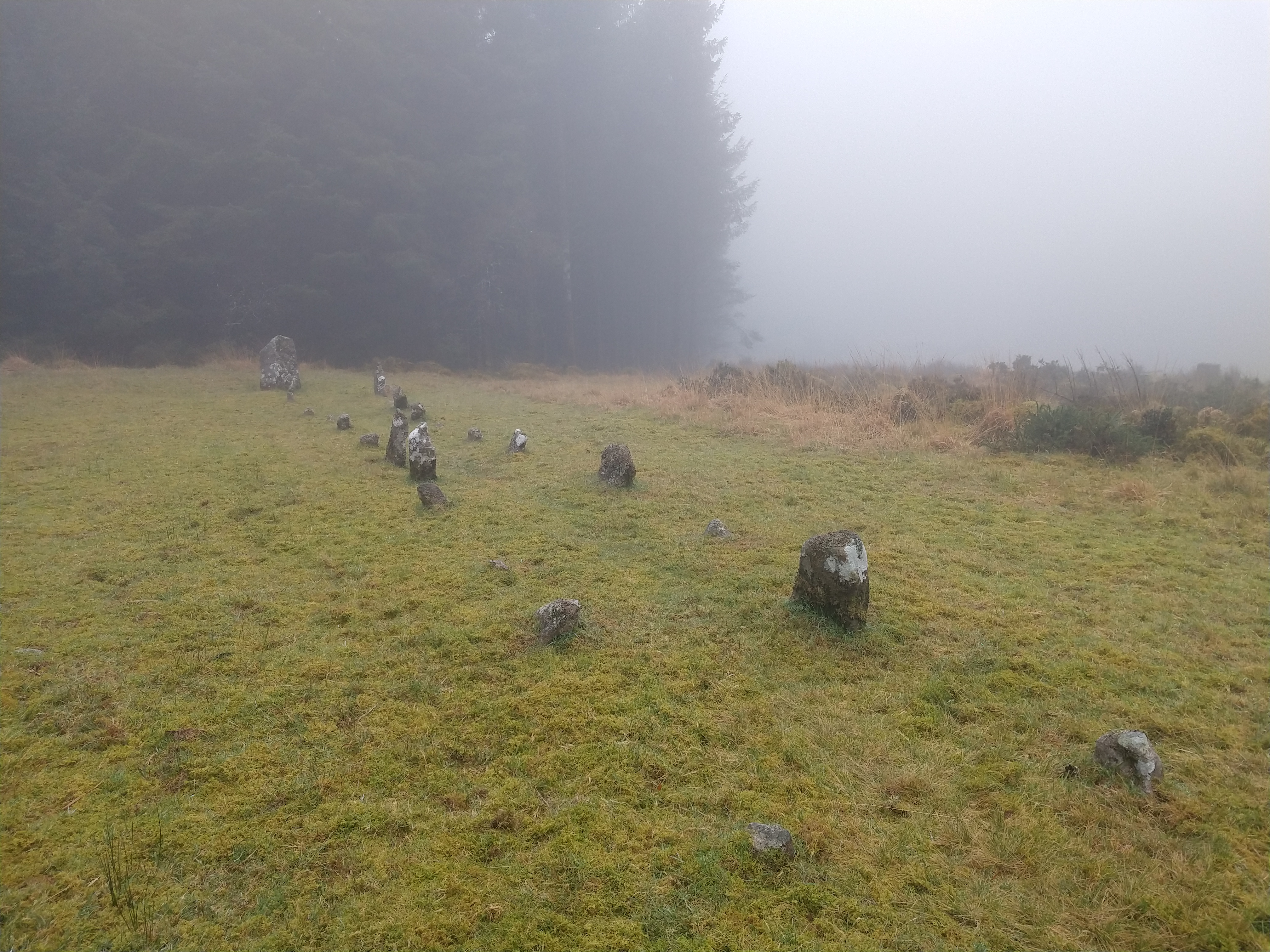
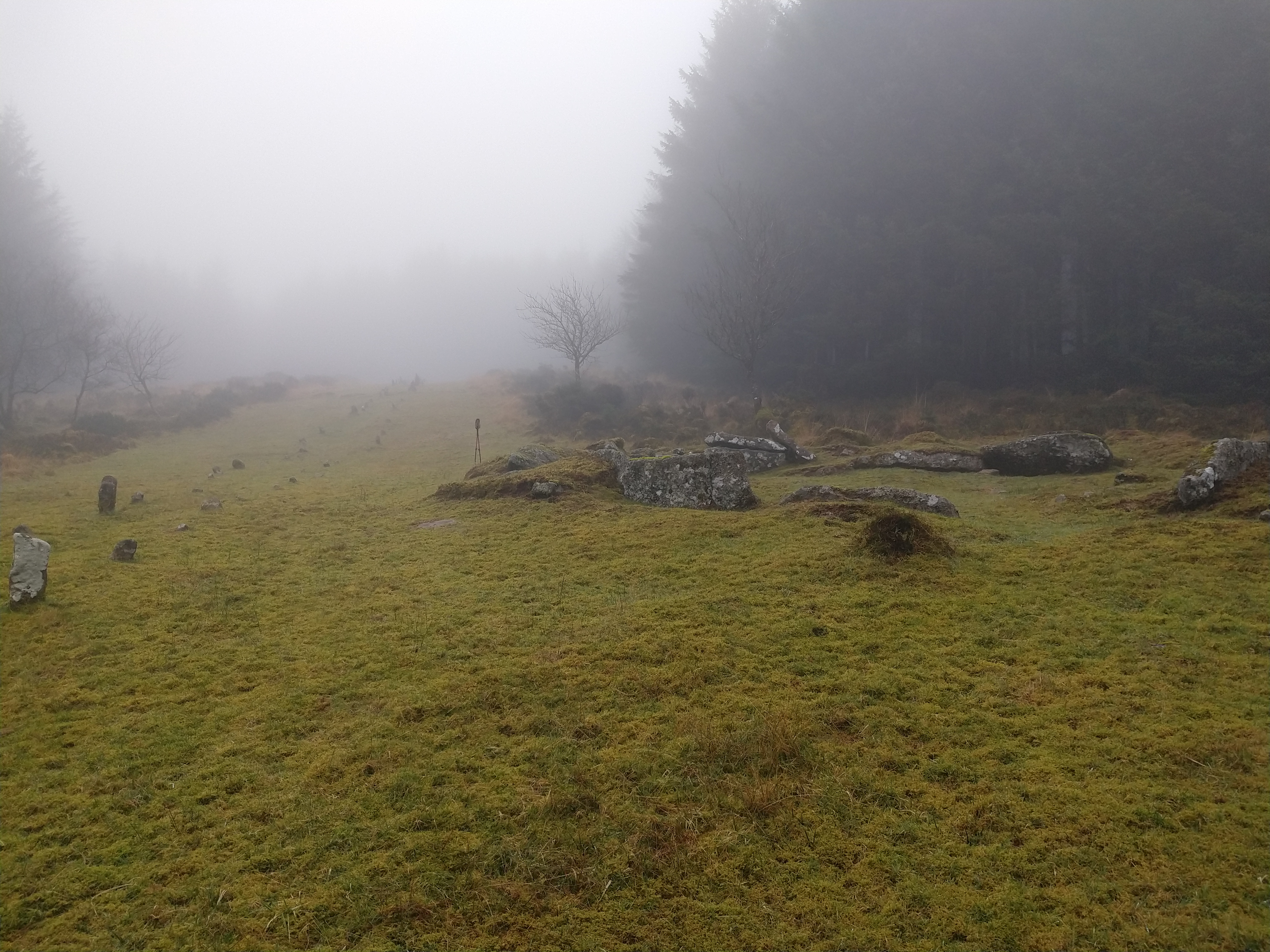
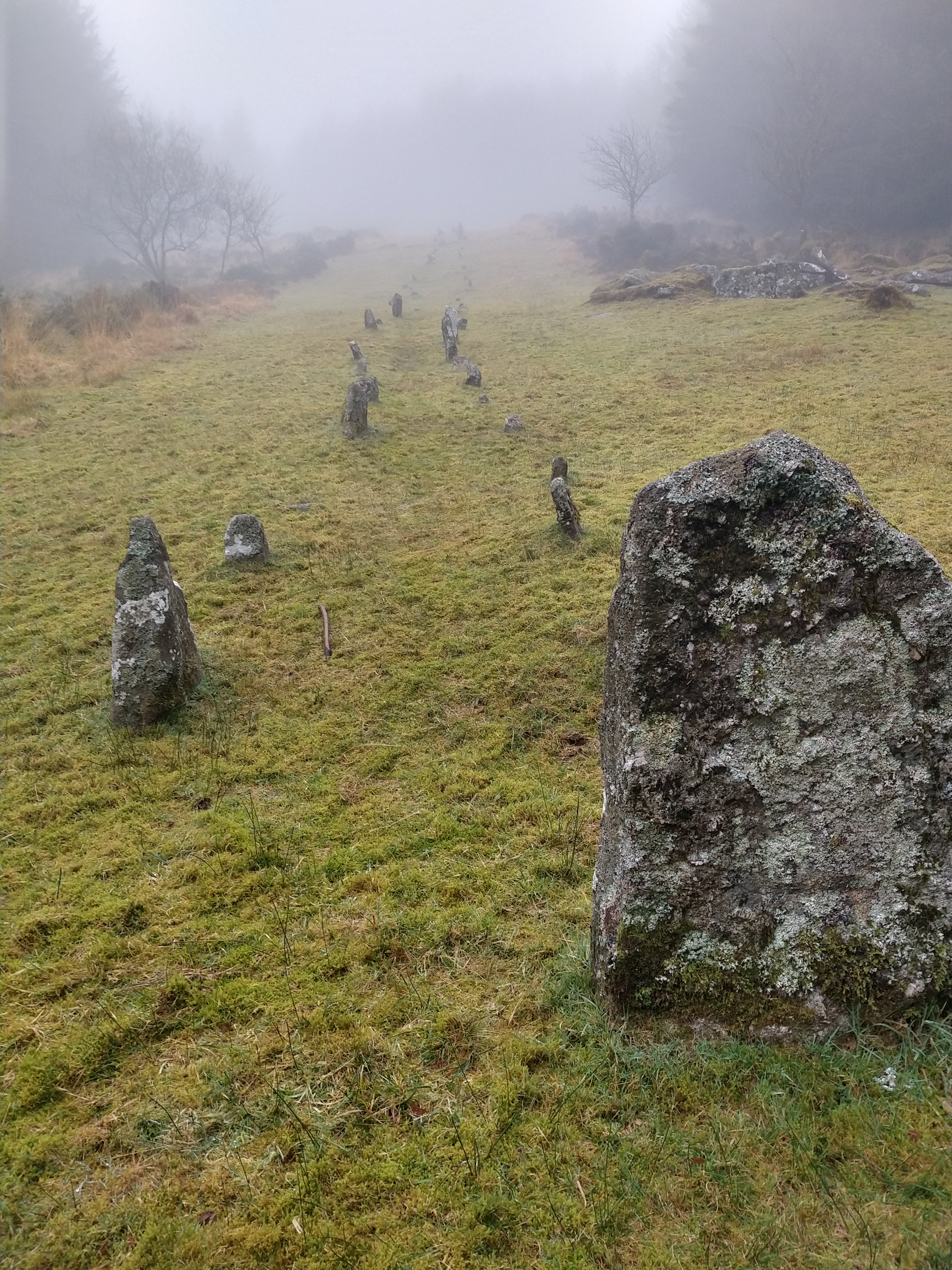
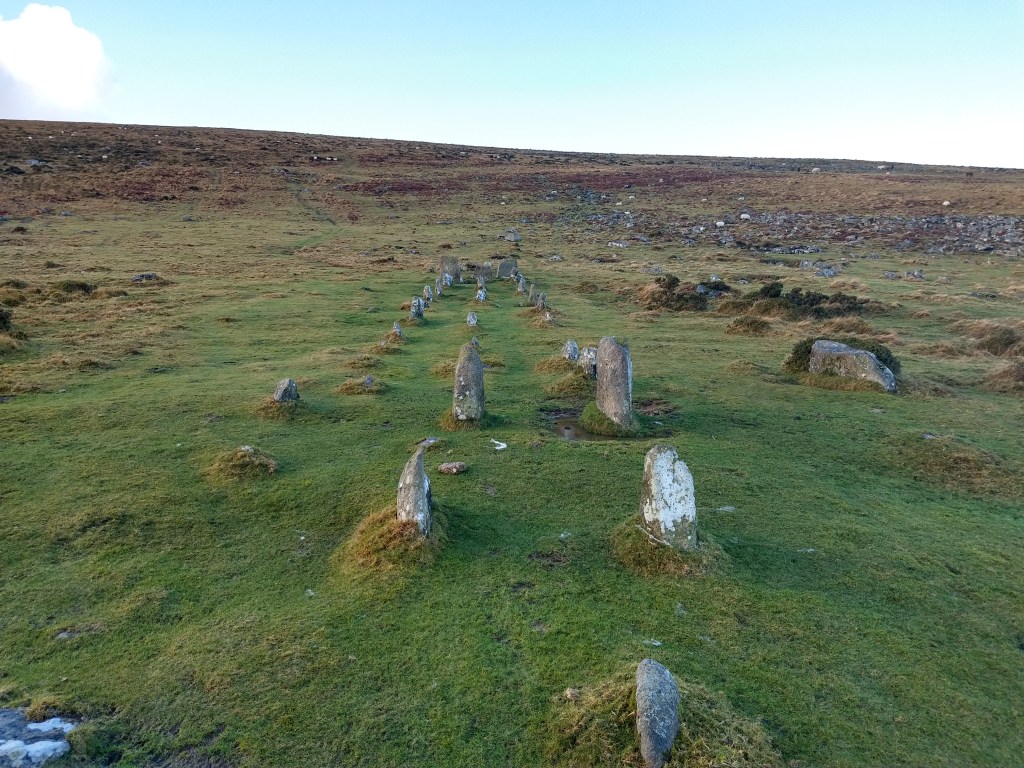
At Batsworthy corner sits Shoveldown.There is a multitude of antiquities here, stone rows, huts circles, boundaries and even a stone circle, tho not much of that is left. A whole other trip out would be needed to take it all in, but as time was getting on, I passed through the are, just stopping to take some pics of the main stone rows here.
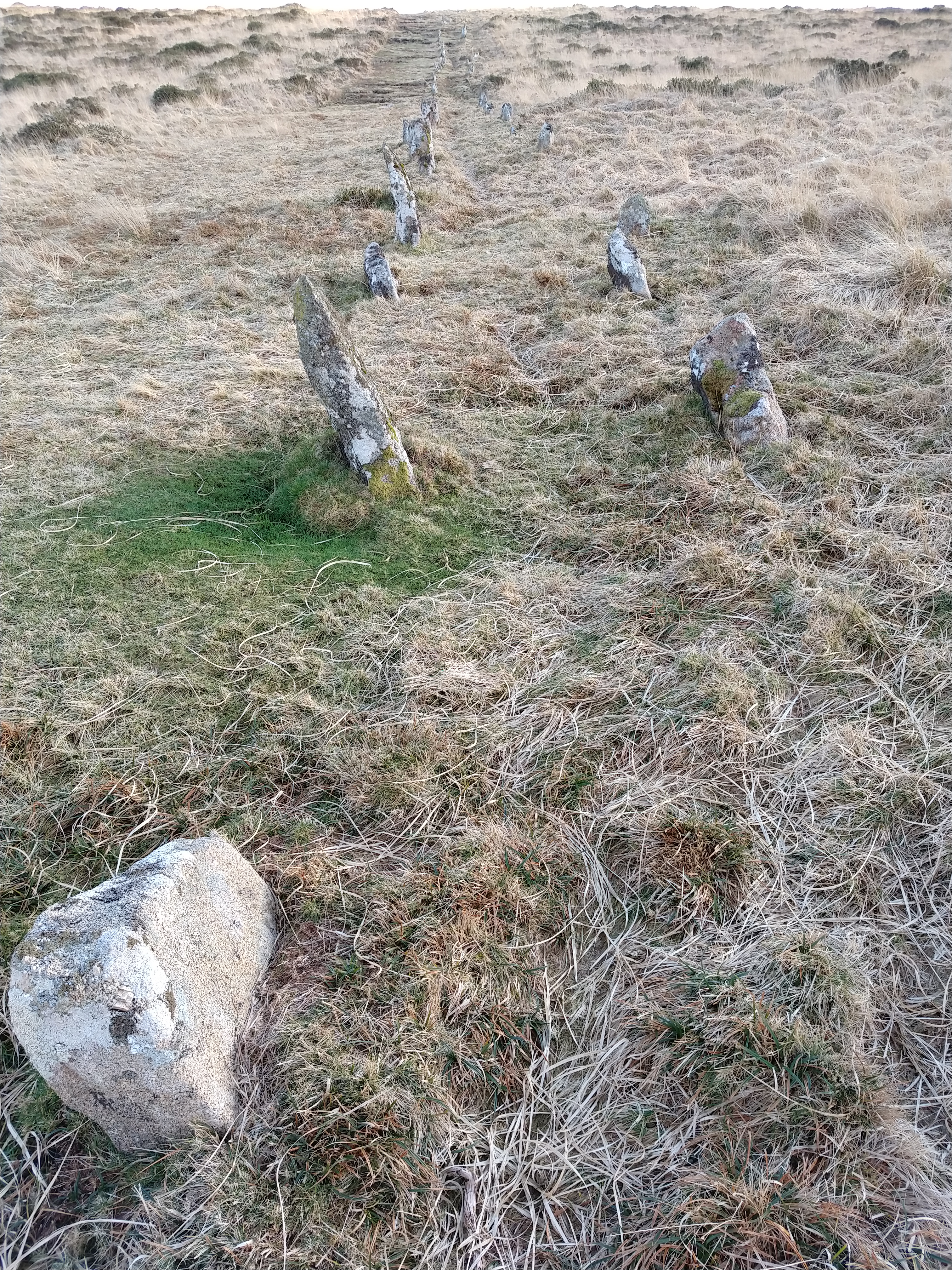
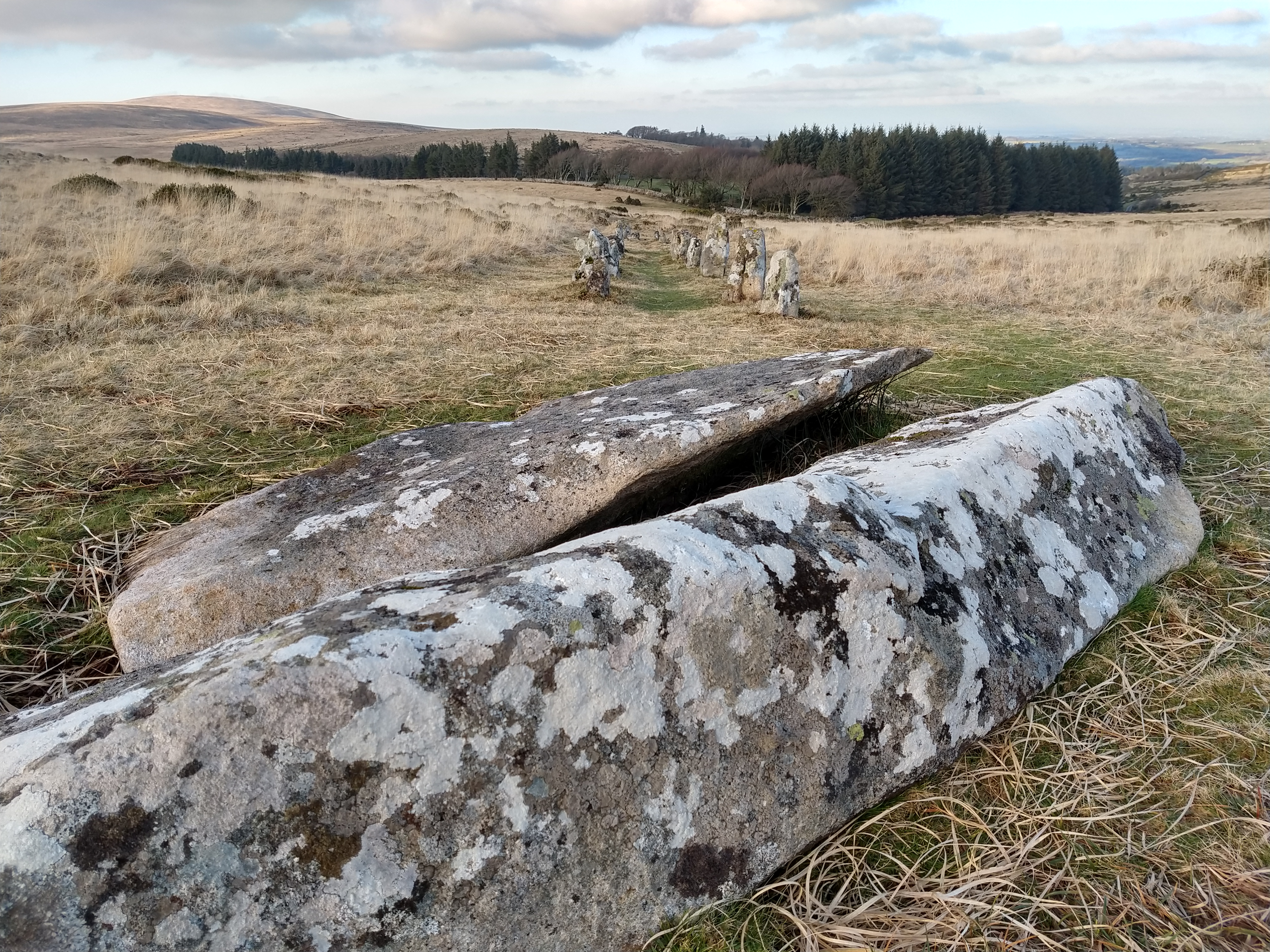

Up over the hill, then onto Long Stone, a gigantic standing stone which reaches 3.1m high; this stone it has the markers for the parishes of Gidleigh, Chagford and the Forest carved into it, as they all meet here. Its one of the markers for the Perambulation of Dartmoor as well, though it’s thought that the original “Heighestone” was nearer the Fernworthy circle, a discussion for another time.
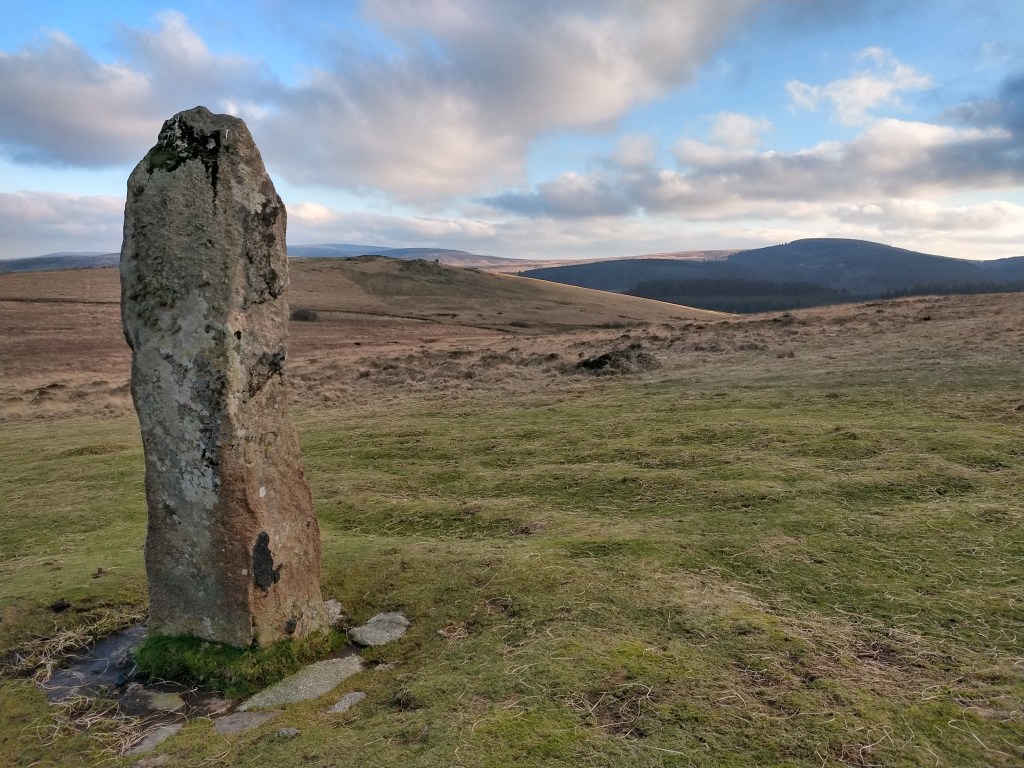
The sun was setting lower and lower, so was time to head home. Passing through the fields below Thornworthy Tor, the sun rays pierced through the clouds and onto Fernworthy Forest.
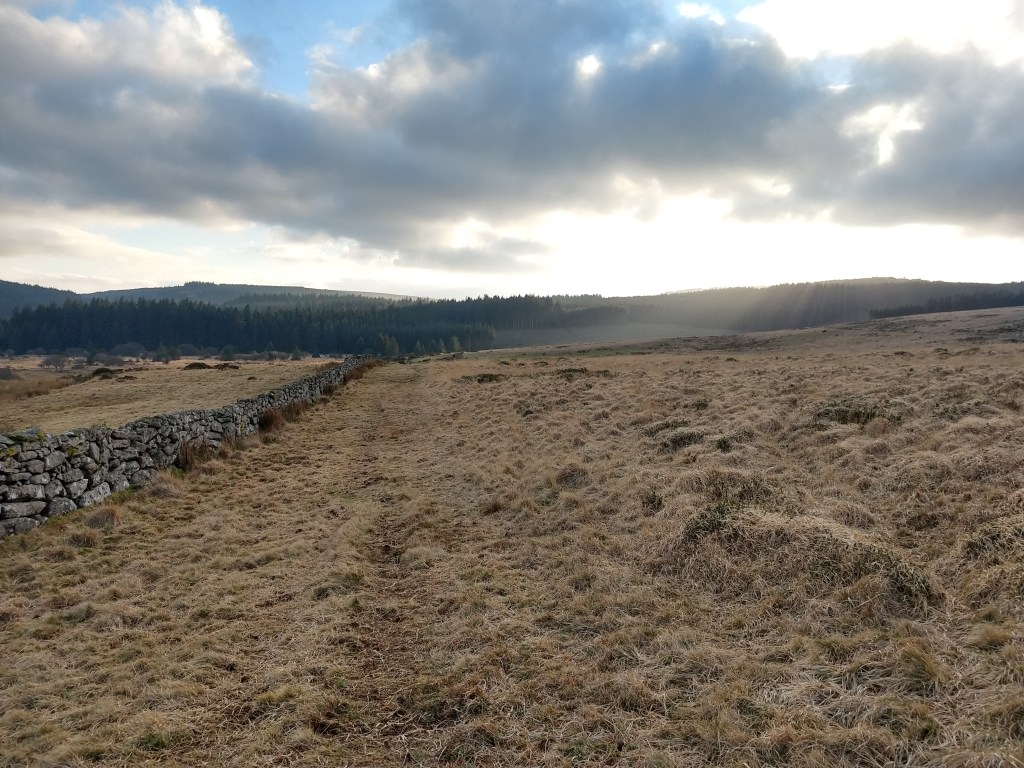
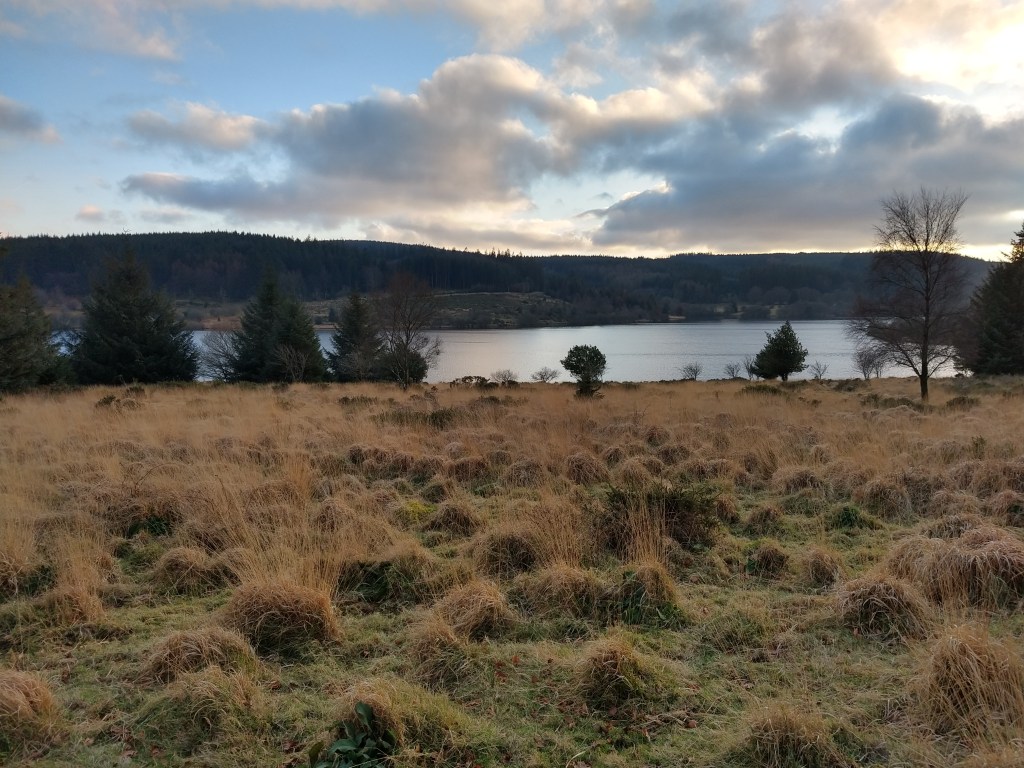
I had to head to Bennetts Cross, which is near the Warren Inn, to be picked up, so I still had a couple of miles to go before my hike was over, but the light was fading fast. I’m used to walking in the dark on Dartmoor, but it put an end to filming and taking pics so I took a last couple of pics of Fernworthy reservoir and headed down past the dam and up Chagford common to meet my wife in the carpark there for my lift home as darkness fell. All in all a great hike, and I’m hopefully fitter for the upcoming TGO.
references used :
JEREMY BUTLER – DARTMOOR ATLAS OF ANTIQUITIES – VOLUME 2 – THE NORTH















 Wandering Jay